

Why choose authentic brands? Trust, value, and smart fashion
TL;DR:
- Counterfeit fashion can be dangerous due to toxic materials and lack of safety standards. Authentic brands offer lasting quality, resale value, and consumer confidence. Educated shopping and verification help avoid superfakes and ensure genuine purchases.
Counterfeit fashion is not just a style problem. It is a safety crisis hiding in plain sight. The global counterfeit goods trade costs legitimate businesses hundreds of billions of dollars every year, and fashion is one of the hardest-hit sectors. Shoppers chasing a deal can unknowingly bring home products made with toxic dyes, unregulated chemicals, and materials that fail basic safety standards. According to U.S. Customs and Border Protection, counterfeit goods pose real dangers due to substandard materials that bypass health regulations entirely. This guide breaks down exactly why authentic brands are worth it, how to spot fakes, and how to shop smarter without paying full retail price.
Table of Contents
- Understanding the risks of counterfeit goods
- The value of authenticity in fashion
- How to spot authentic brands online and avoid ‘superfakes’
- Smart shopping: Finding discounted authentic brands safely
- Our perspective: The real cost of skipping authenticity
- Shop authentic designer brands with full confidence
- Frequently asked questions
Key Takeaways
| Point | Details |
|---|---|
| Authentic brands deliver safety | Authentic items use regulated, high-quality materials so you avoid hidden health and safety risks. |
| True value lasts longer | Genuine designer apparel holds up in quality and resale value, offering long-term fashion satisfaction. |
| Knowledge protects shoppers | Educated buyers spot and avoid advanced fakes, ensuring every purchase is smart and safe. |
| Discounted deals can be real | You can shop discounted genuine brands safely when you use trusted sellers and verify authenticity. |
Understanding the risks of counterfeit goods
Most people think of counterfeit fashion as a victimless shortcut. You pay less, you get something that looks right, and nobody gets hurt. That thinking is dangerously wrong. The risks go far beyond a stitching error or a logo that’s slightly off.
Counterfeit clothing and accessories are regularly produced using hazardous chemicals, including formaldehyde, lead, and azo dyes that are banned in regulated markets. These substances can cause skin irritation, allergic reactions, and in serious cases, long-term health damage. Because counterfeit factories operate outside regulatory oversight, there is no quality control and no accountability. The health and safety risks from counterfeits are well documented, yet millions of shoppers remain unaware.
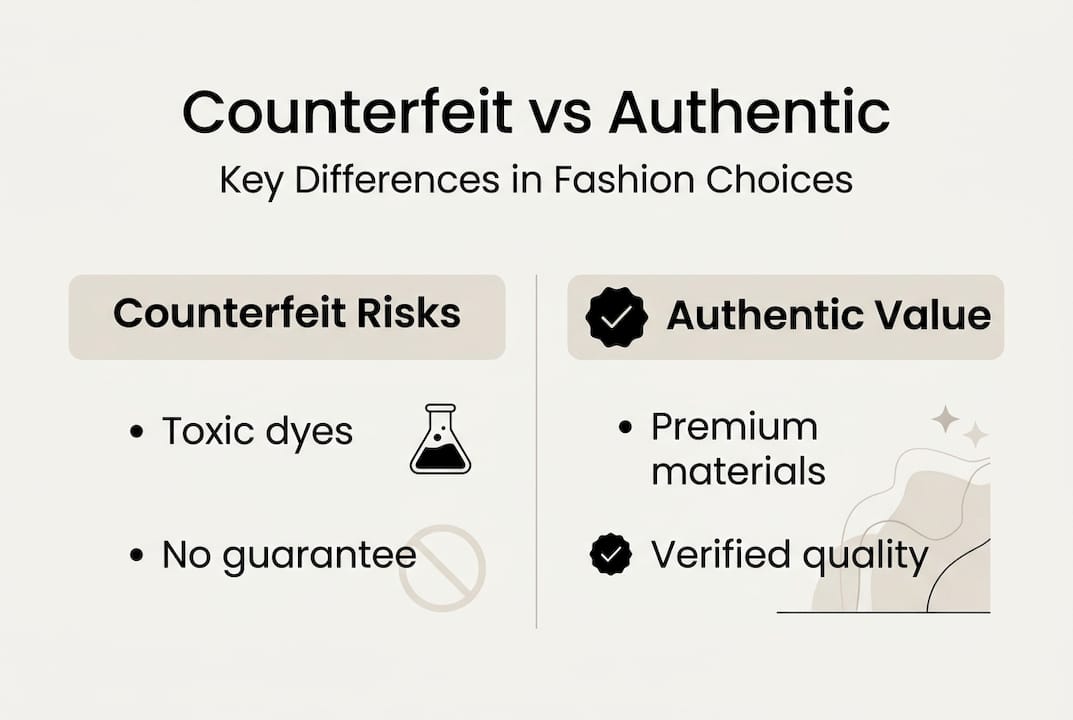
The economic damage is equally serious. Counterfeit goods drain revenue from legitimate brands, reduce jobs in the fashion industry, and fund criminal networks. The World Customs Organization estimates that counterfeiting costs the global economy over $500 billion annually. When you buy a fake, you are not just getting a bad product. You are contributing to a system that actively harms the industry you love.
Here is what counterfeit fashion actually puts at risk:
- Your health: Toxic dyes and unregulated chemicals in fabrics and leather
- Your money: Fakes fall apart quickly, meaning you pay again sooner
- Your style: Poor construction and inaccurate details undermine your look
- Your legal standing: In some countries, purchasing counterfeits carries legal penalties
- Your data: Shady counterfeit sites often harvest payment information
“A bargain that costs you your health, your money, and your peace of mind is not a bargain at all.”
Smart shoppers who want to protect themselves start by avoiding counterfeit purchases through education and by choosing verified sources. Understanding what genuine designer goods actually look and feel like is your first real line of defense.
The value of authenticity in fashion
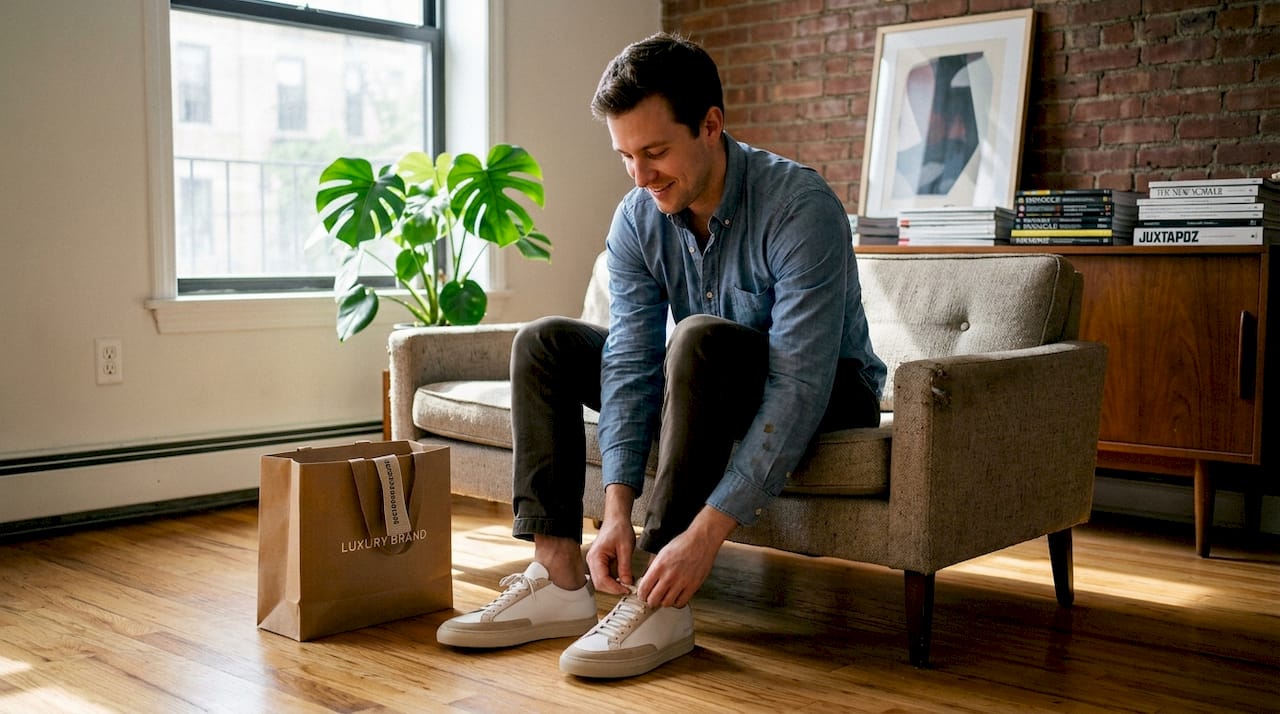
Authentic brands deliver something no counterfeit can replicate: real, lasting value. That value shows up in the materials, the craftsmanship, the resale market, and most importantly, in how you feel wearing the item.
Genuine luxury goods are made with premium materials selected for durability and appearance. A real leather handbag from a heritage brand is designed to last years, even decades, with proper care. The stitching, hardware, and lining are all held to strict standards. Compare that to a counterfeit version that may start peeling, fading, or falling apart within months. The math is simple: one authentic piece that lasts ten years beats three fake replacements every time.
Authentic items also hold and sometimes grow in resale value. The secondary market for genuine luxury fashion is booming, and authentication technologies like AI, RFID chips, and blockchain are making it easier than ever to verify ownership and provenance. Brands like Gucci, Louis Vuitton, and Burberry are embedding digital passports into their products, meaning your authentic purchase becomes a verifiable, transferable asset.
| Feature | Authentic brand | Counterfeit |
|---|---|---|
| Material quality | Premium, regulated | Unregulated, often toxic |
| Durability | Years to decades | Months |
| Resale value | Holds or increases | Zero |
| Authentication | Verifiable | None |
| Health safety | Regulated | Unknown risk |
| Warranty/returns | Available | None |
Understanding the value of designer brands goes beyond status. It is about getting what you actually pay for. And when you buy authentic, you also benefit from return policies, customer service, and warranties that counterfeits simply cannot offer.
Pro Tip: Before buying any designer item online, check whether the seller offers a verifiable certificate of authenticity and a clear return policy. These two factors alone eliminate the majority of counterfeit risk.
The confidence that comes from wearing a genuine piece is real too. Shoppers who invest in authentic goods consistently report higher satisfaction. Explore the benefits of genuine designer handbags to see how authenticity translates into everyday value.
How to spot authentic brands online and avoid ‘superfakes’
The counterfeit market has evolved. Today’s most advanced fakes, known as superfakes, are engineered to fool even experienced buyers. They replicate logos, stitching, hardware, and even packaging with alarming precision. Knowing how to verify what you are buying has never been more important.
Superfakes challenge traditional detection, but buyer expertise combined with platform-level verification still provides strong protection, especially in discounted channels where fakes are most common.
Here is a practical step-by-step checklist for verifying an item online:
- Research the seller: Check reviews, ratings, and how long they have been operating
- Request authentication documentation: Certificates, receipts, or brand-issued tags
- Examine product photos closely: Look for consistent stitching, hardware alignment, and logo placement
- Check the price: Prices that seem impossibly low are a red flag, not a deal
- Use third-party verification: Services like Entrupy or Real Authentication provide AI-based analysis
- Look for embedded tech: RFID tags, QR codes, or NFC chips built into newer luxury items
- Review the return policy: Legitimate sellers stand behind their products
| Verification method | Best used for | Reliability |
|---|---|---|
| AI-based image analysis | Bags, shoes, accessories | High |
| RFID/NFC chip scan | New luxury items | Very high |
| Blockchain provenance | High-value purchases | Very high |
| Seller reputation check | All purchases | Medium-high |
| Physical inspection | In-person only | High |
Learning to spot authentic designer bags takes practice, but the basics are learnable quickly. Pay attention to font consistency on labels, the weight and feel of hardware, and the quality of interior lining. These details are where fakes almost always fall short.
For online purchases specifically, knowing how to spot designer labels online is a skill that pays for itself immediately. And if you are ever unsure, revisit what authentic designer means before committing to a purchase.
Smart shopping: Finding discounted authentic brands safely
Here is something the counterfeit market does not want you to know: you do not have to choose between affordability and authenticity. Genuine designer goods at real discounts exist, and savvy shoppers find them every day.
Research from Columbia Business School shows that low-knowledge consumers disengage morally more easily, viewing fakes as acceptable because they simply do not understand the full picture. Education is the single most powerful tool you have. Once you know the risks and the alternatives, the appeal of counterfeits drops fast.
Here is how to find genuine deals without compromising on authenticity:
- Shop authorized outlets: Official brand outlets and licensed online retailers offer real discounts on authentic stock
- Use reputable resale platforms: Sites with built-in authentication programs protect buyers from fakes
- Look for end-of-season sales: Legitimate retailers clear inventory at significant discounts
- Sign up for alerts: Many outlets notify subscribers first when new discounted items arrive
- Verify before you buy: Always confirm authentication policies before completing a purchase
Pro Tip: A legitimate discount outlet will always have a clear returns process, verifiable brand sourcing, and customer service contact information. If any of those three are missing, walk away.
The smartest shoppers treat their fashion budget like an investment portfolio. They research, they verify, and they buy from sources they trust. Learning to shop designer fashion wisely means you spend less over time while building a wardrobe that actually holds its value.
Making discounted designer brand choices does not require luck. It requires knowledge. And understanding the trust impact of authenticity in 2026 will help you make every purchase with confidence.
Our perspective: The real cost of skipping authenticity
We have seen both sides of this story. Shoppers come to us after buying fakes that fell apart in weeks, and they come to us after discovering that the authentic piece they almost passed on is still going strong three years later.
The real cost of skipping authenticity is not just financial. It is the quiet disappointment of a bag that does not feel right, a shoe that loses its shape, or a piece of clothing that draws the wrong kind of attention. Genuine items carry a confidence that fakes simply cannot manufacture.
We believe that choosing authentic is an act of self-respect. When you insist on the real thing, you are saying that you value quality, that you understand worth, and that you refuse to be fooled. That mindset becomes part of your personal style in a way that no counterfeit ever could.
The impact of authenticity on long-term shopper satisfaction is consistent and measurable. Short-term savings from fakes are always outweighed by the lasting value, both practical and personal, of buying genuine.
Shop authentic designer brands with full confidence
You now know the risks, the benefits, and the tools. The next step is putting that knowledge to work with a source you can trust.
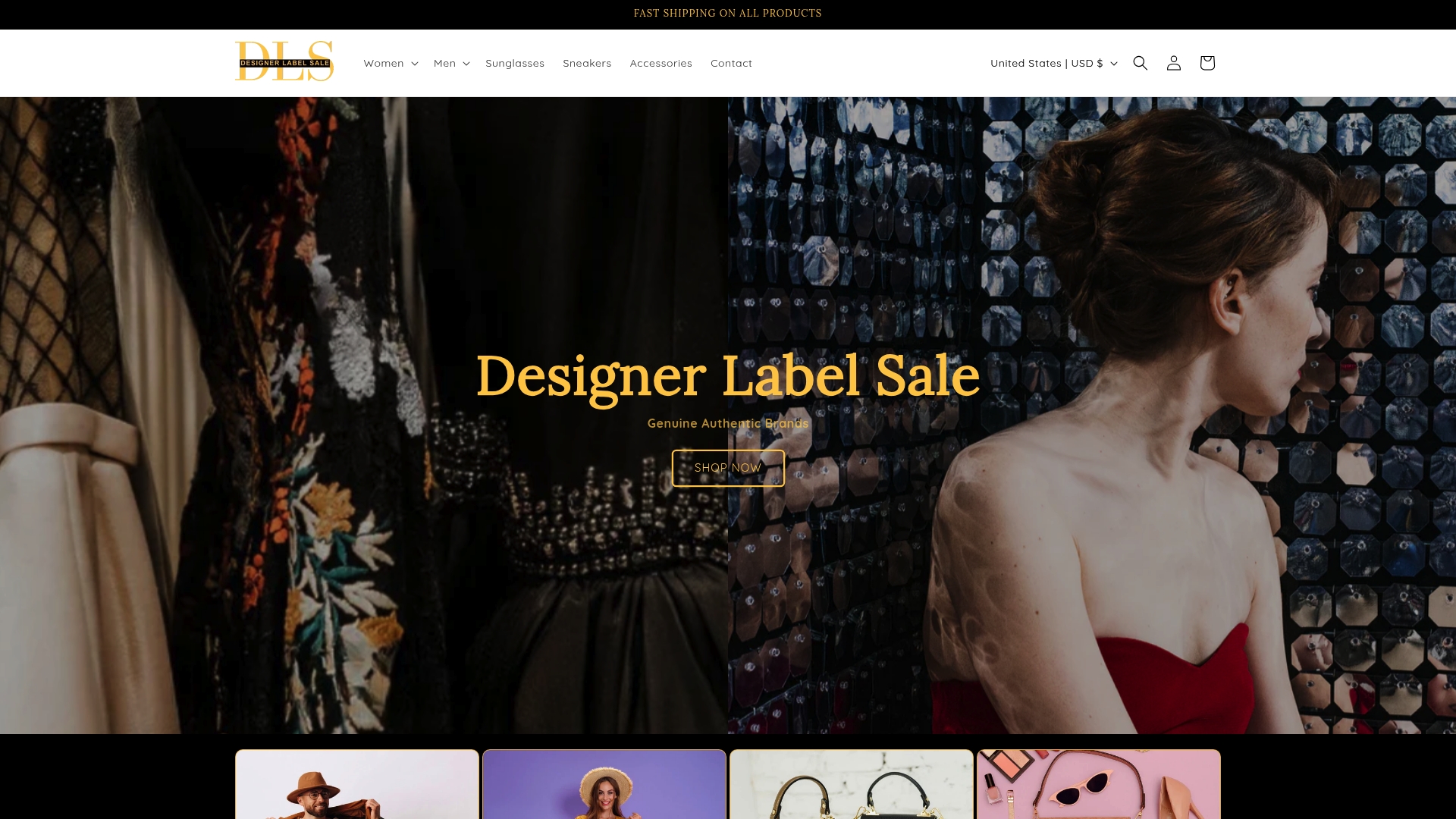
At Designer Label Sale, every product is sourced for guaranteed authenticity, so you never have to second-guess what you are buying. From statement footwear like gray leather ankle boots to refined classics like black Bordeaux dress shoes, every item ships with confidence behind it. Real brands. Real discounts. Real peace of mind. That is what smart fashion shopping looks like in 2026.
Frequently asked questions
What are the risks of buying counterfeit fashion?
Counterfeit fashion often uses dangerous materials and lacks quality control, putting your health and wallet at risk. Substandard counterfeit materials bypass health regulations, exposing buyers to toxic chemicals and zero consumer protection.
How can I check if a brand or site is authentic when buying online?
Verify seller reputation, demand authentication certificates, use trusted resale platforms, and look for tech like AI or RFID tags. Authentication technologies including AI, RFID, and blockchain now make verification accessible to everyday buyers.
Is it possible to find discounted genuine designer goods safely?
Yes, shop on reputable outlets or resale sites with strong authentication and return policies for real deals on authentic items. Buyer expertise and platform verification provide solid protection even in discounted channels.
Why are some consumers okay with buying fakes?
Some people do not realize the full risks due to limited knowledge, making education the key to safer choices. Research shows that low-knowledge consumers disengage morally more easily, viewing counterfeits as acceptable until they understand the real consequences.