

What Is Authentic Designer? Spotting Genuine Luxury
Finding a true designer gem in the sea of online sales can feel overwhelming for any luxury fashion fan. With copycats and lookalikes everywhere, standing out requires more than a brand logo or high price tag. Discerning shoppers crave authenticity that goes beyond surface-level appeal and signals genuine craftsmanship, lasting quality, and real connection to the maker. This guide explores the essential traits and trusted methods that help you secure real designer treasures while making the most of current discounts.
Table of Contents
- Defining Authentic Designer: What It Means
- Common Misconceptions About Authenticity
- Authentication Methods For Designer Goods
- Risks Of Counterfeits In Designer Fashion
- How To Buy Authentic Designer Items Safely
Key Takeaways
| Point | Details |
|---|---|
| Understanding Authenticity | Authentic designer goods represent a blend of craftsmanship and cultural significance beyond mere luxury. |
| Recognizing Key Features | True authenticity is marked by quality materials, thoughtful design, and an intrinsic connection between maker and user. |
| Counterfeit Risks | Purchasing counterfeit goods poses economic challenges and safety risks for consumers and brands alike. |
| Smart Purchasing Practices | Research authorized retailers, verify product details, and utilize expert authentication services to ensure authenticity. |
Defining Authentic Designer: What It Means
Authentic designer goods represent far more than simple luxury items - they embody a complex narrative of craftsmanship, heritage, and uncompromising quality. Authenticity goes beyond surface appearance, diving deep into the fundamental values and design principles that transform a product from mere clothing or accessory into a meaningful artistic expression.
At its core, authentic design reflects meaningful engagement with quality and cultural context. This means genuine designer pieces are distinguished by several critical characteristics:
- Undisputed origin and provenance
- Transparent production processes
- Exceptional material quality
- Thoughtful design that transcends trends
- Connection between maker and user
The nuanced world of authentic designer goods requires understanding that true value emerges from multiple layers of genuineness. Product authenticity involves material honesty and represents a commitment to preserving design integrity that mass-produced items simply cannot replicate.
While visual similarity might fool untrained eyes, authentic designer pieces carry intrinsic markers of excellence. These markers include precise stitching, superior fabric selection, meticulously constructed details, and an overall sense of intentionality that elevates the item beyond mere clothing or accessory.
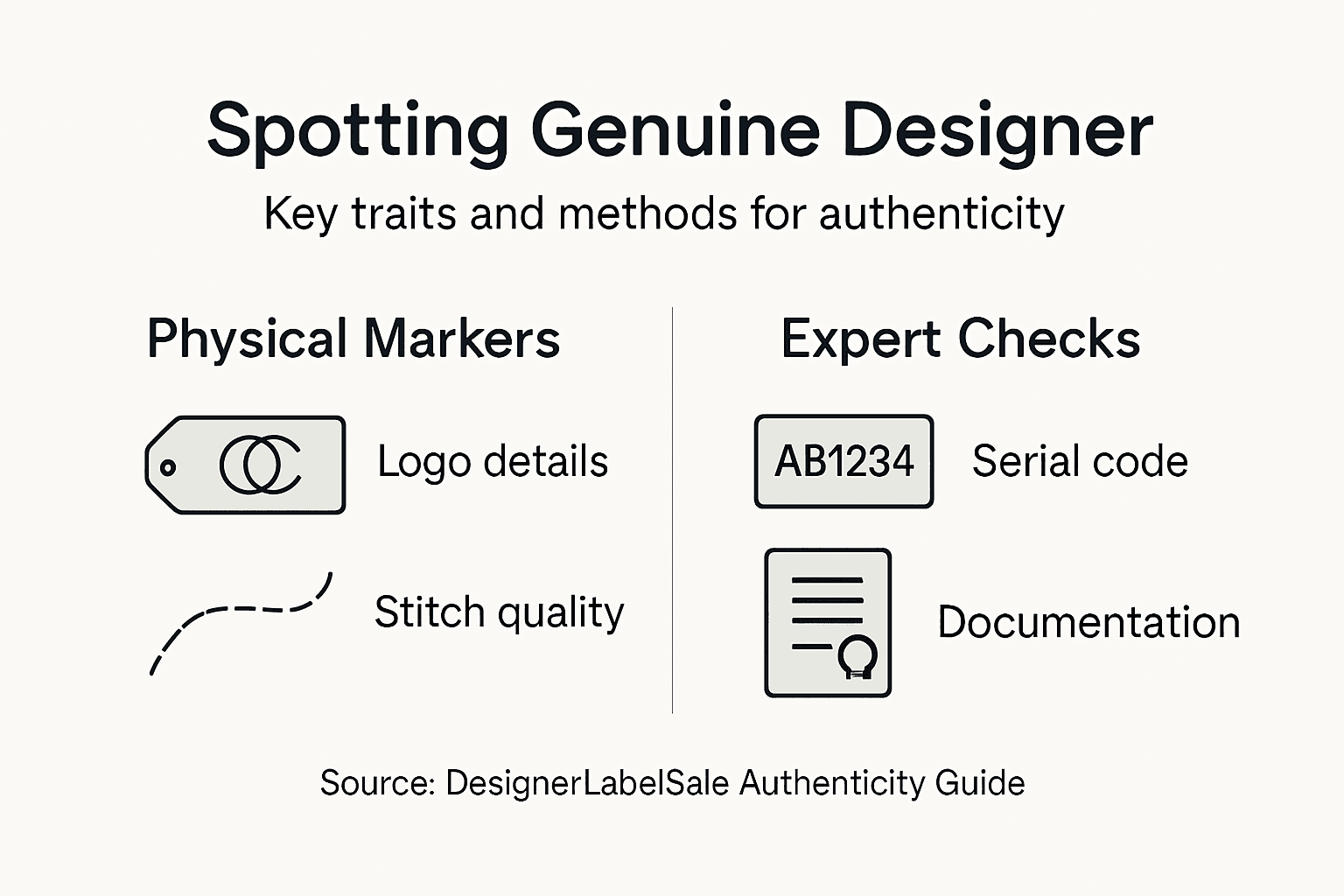
Pro tip: Always examine construction details, material quality, and brand-specific hallmarks when assessing the authenticity of designer goods.
Common Misconceptions About Authenticity
Authenticity in designer goods is often misunderstood as a straightforward concept, when in reality it represents a complex, multifaceted experience. Many consumers mistakenly believe that brand recognition or a visible logo automatically guarantees a product’s genuine status.
Authenticity is not a binary state but a nuanced construct influenced by multiple factors. Common misconceptions include:
- Believing authenticity is determined solely by price
- Assuming logos prove genuine designer status
- Thinking visual similarity equals true authenticity
- Overlooking the importance of production methods
- Ignoring the craftsmanship behind designer pieces
Consumers frequently make critical errors when evaluating designer goods. Authenticity encompasses more than surface characteristics, requiring a deeper understanding of design philosophy, material selection, and manufacturing processes.
True authenticity involves understanding the narrative behind each piece - the design intention, cultural context, and artistic vision that transforms a product from a mere object into a meaningful expression of creativity. It’s not about superficial markers but about the deeper connection between design, craftsmanship, and user experience.
Pro tip: Develop a critical eye by examining construction details, understanding brand heritage, and appreciating the nuanced elements that define genuine designer quality.
Authentication Methods for Designer Goods
Authenticity in luxury designer goods requires a sophisticated approach that combines traditional expertise with cutting-edge technological solutions. Expert evaluation remains the cornerstone of determining a product’s genuine status, involving meticulous examination of multiple physical characteristics.
Authentication methods now integrate advanced technologies to provide more comprehensive verification. Key authentication techniques include:
- Physical inspection of materials and construction
- Serial number and hologram verification
- Detailed stitching and hardware analysis
- Digital provenance tracking
- Advanced pattern recognition technologies
Traditional authentication relies heavily on expert knowledge. Trained professionals examine intricate details like thread quality, material consistency, brand-specific manufacturing techniques, and precise logo placement. These experts look beyond surface-level appearances, understanding that genuine designer goods possess subtle markers of authenticity that counterfeit items cannot replicate.
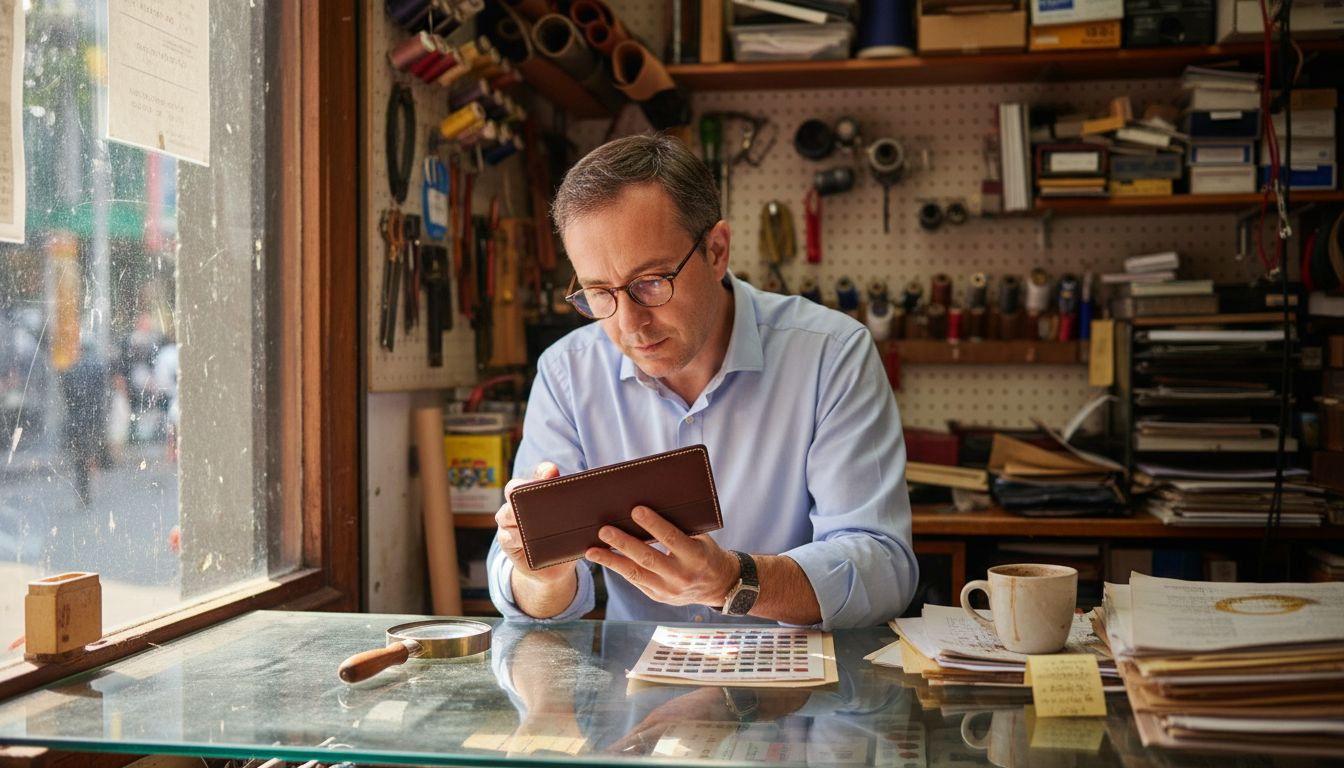
Technological innovations are revolutionizing authentication processes. Digital tools like blockchain certification, AI-powered image analysis, and comprehensive digital registries now complement traditional expert evaluation. These technologies provide additional layers of verification, creating a more robust system for confirming a designer item’s legitimacy.
Here’s how traditional and technology-driven authentication methods compare for designer goods:
| Method Type | Key Strength | Limitation | Typical Use Case |
|---|---|---|---|
| Physical Expert | Detects subtle craftsmanship details | Reliant on expert availability and subjectivity | In-person luxury assessments |
| Serial/Hologram | Verifies against brand-issued records | Serial numbers can be forged | Store or secondhand verifications |
| Digital Tracking | Provides traceable product history | Requires platform participation | Online resale and provenance checks |
| AI Image Analysis | Detects micro-pattern and logo precision | Needs large authentic/counterfeit dataset | Mass online authentication |
Pro tip: Always request multiple authentication methods and documentation when purchasing high-value designer goods to ensure maximum confidence in your investment.
Risks of Counterfeits in Designer Fashion
Counterfeit designer goods represent a complex threat that extends far beyond simple intellectual property violations. Designer brands face significant challenges as these unauthorized replicas systematically undermine their economic and creative foundations.
Counterfeiting poses extensive economic risks that impact multiple stakeholders. Critical risks include:
- Financial losses for original brands
- Erosion of consumer trust
- Potential safety hazards from substandard materials
- Damage to brand reputation
- Undermining of design innovation
- Potential criminal network funding
The consequences of counterfeit fashion extend deeper than most consumers realize. These unauthorized products not only steal market share but also compromise the intricate craftsmanship and design integrity that define genuine luxury goods. Counterfeit networks create substantial economic disruption, threatening jobs and economic stability within the fashion industry.
Beyond economic impacts, counterfeit goods pose significant consumer risks. Substandard materials, poor construction, and potential health hazards make these products far more dangerous than their attractive price tags suggest. Consumers purchasing counterfeits unwittingly support global criminal networks and compromise their own safety and style standards.
The following table summarizes major risks posed by counterfeit designer goods and who is most affected:
| Risk Type | Impact on Brands | Impact on Consumers | Impact on Economy |
|---|---|---|---|
| Financial Losses | Revenue decline | Lower resale value | Tax and job loss |
| Eroded Trust | Damaged reputation | Doubts about purchases | Lost confidence in industry |
| Safety Hazards | None | Allergic reactions, injuries | Higher costs in enforcement |
| Stifled Innovation | Less investment in design | Fewer original products | Reduced creative growth |
Pro tip: Always verify product authenticity through multiple channels and purchase from authorized retailers to protect yourself from potential risks.
How to Buy Authentic Designer Items Safely
Purchasing authentic designer items requires a strategic and informed approach that goes beyond simply evaluating price tags. Buyer vigilance becomes the primary defense against potential counterfeiting and fraudulent marketplace practices.
Safe purchasing involves careful product validation through multiple comprehensive strategies. Critical steps for ensuring authenticity include:
- Researching authorized retailer networks
- Examining detailed product documentation
- Verifying serial number and hologram authenticity
- Requesting comprehensive provenance information
- Utilizing expert authentication services
- Comparing pricing across legitimate platforms
Authentic designer purchases demand meticulous attention to specific quality indicators. Sophisticated buyers understand that true luxury transcends visual appearance, requiring deep examination of craftsmanship, material integrity, and brand-specific manufacturing details. Each genuine piece tells a story of design excellence that cannot be replicated by counterfeit products.
Technology and expert knowledge now provide unprecedented tools for verification. Advanced authentication methods like blockchain tracking, digital certificates, and AI-powered image recognition offer consumers additional layers of confidence. These technological innovations transform the purchasing landscape, empowering buyers to make more informed decisions about their luxury investments.
Pro tip: Always request a certificate of authenticity and purchase from verified retailers with transparent return and authentication policies.
Discover Genuine Luxury with Confidence at DesignerLabelSale
Understanding the true meaning of authenticity when shopping for designer items can feel overwhelming. You want exceptional craftsmanship, transparent origin, and superior quality without risking counterfeit purchases. At DesignerLabelSale, we recognize these challenges and bring you trusted access to authentic luxury handbags, clothing, and accessories. Every piece carries the unmistakable markers of genuine design and thoughtful construction discussed in this article.
Shop with peace of mind knowing you are choosing from curated collections that emphasize original brand heritage and design excellence. Explore our selection of authentic designer handbags, mens and womens apparel, and accessories all available at attractive prices and backed by clear authenticity guarantees. Start your journey to owning true luxury today by visiting DesignerLabelSale. Your perfect genuine designer piece awaits.
Frequently Asked Questions
What are the key characteristics of authentic designer goods?
Authentic designer goods are distinguished by undisputed origin, transparent production processes, exceptional material quality, thoughtful design, and a strong connection between maker and user.
How can I tell if a designer item is authentic or counterfeit?
To identify authentic designer items, look for precise stitching, superior fabric selection, meticulous construction details, and brand-specific hallmarks. Additionally, examine product documentation and consider expert evaluations.
Why is understanding authenticity important when purchasing designer items?
Understanding authenticity is crucial because it ensures you are investing in products that reflect true quality, craftsmanship, and design integrity, protecting you from the risks and downsides associated with counterfeit goods.
What are the risks of buying counterfeit designer fashion?
Counterfeit designer fashion can lead to financial losses, damage to consumer trust, potential safety hazards from substandard materials, stifled innovation in fashion, and the support of criminal networks.