

What Is Designer Label? Truths Behind Fashion Status
Scoring a true designer label at a steal feels like winning twice. For many luxury fashion fans, the thrill is more than a bargain—it is investing in heritage, creative vision, and exclusivity that comes with the prestige of names like Chanel or Prada. Navigating the complex world of designer tiers can reveal authentic treasures, help you sidestep counterfeits, and ensure your next splurge holds value for years to come.
Table of Contents
- Designer Labels Defined In Luxury Fashion
- Main Types And Leading Designer Labels
- How Designer Labels Differ From Luxury Brands
- Identifying Authenticity And Avoiding Fakes
- Why Designer Labels Retain Value Over Time
Key Takeaways
| Point | Details |
|---|---|
| Designer Labels Represent More Than Just A Brand | Purchasing a designer label involves investing in quality, craftsmanship, and social recognition rather than just the product itself. |
| Understanding Market Tiers Is Essential | Familiarize yourself with the different tiers (accessible, premium, ultra-luxury) to make informed choices based on budget and lifestyle. |
| Authenticity Is Critical | Always verify authenticity through credible sources to avoid counterfeit goods that diminish quality and value. |
| Timeless Pieces Hold Their Value | Invest in timeless designer items that prove to retain or appreciate in value over time rather than fleeting trend pieces. |
Designer Labels Defined in Luxury Fashion
A designer label is far more than just a brand name on a tag. It represents clothing and personal accessories sold under a prestigious marque, typically named after a designer, founder, or iconic location. These labels target everyone from middle-class shoppers seeking affordable accessories to ultra-wealthy collectors purchasing haute couture and high jewelry. What sets them apart is the perception of superior quality, craftsmanship, and fashionability that comes with wearing the name.
The concept didn’t emerge overnight. Designer labels originated in the late 19th century when craftsmen marked their products to denote quality and authenticity. What started as a simple quality assurance mark evolved into powerful status symbols. Iconic designers like Louis Vuitton and Coco Chanel transformed these labels into cultural phenomena, influencing global fashion narratives and shaping how consumers view luxury.
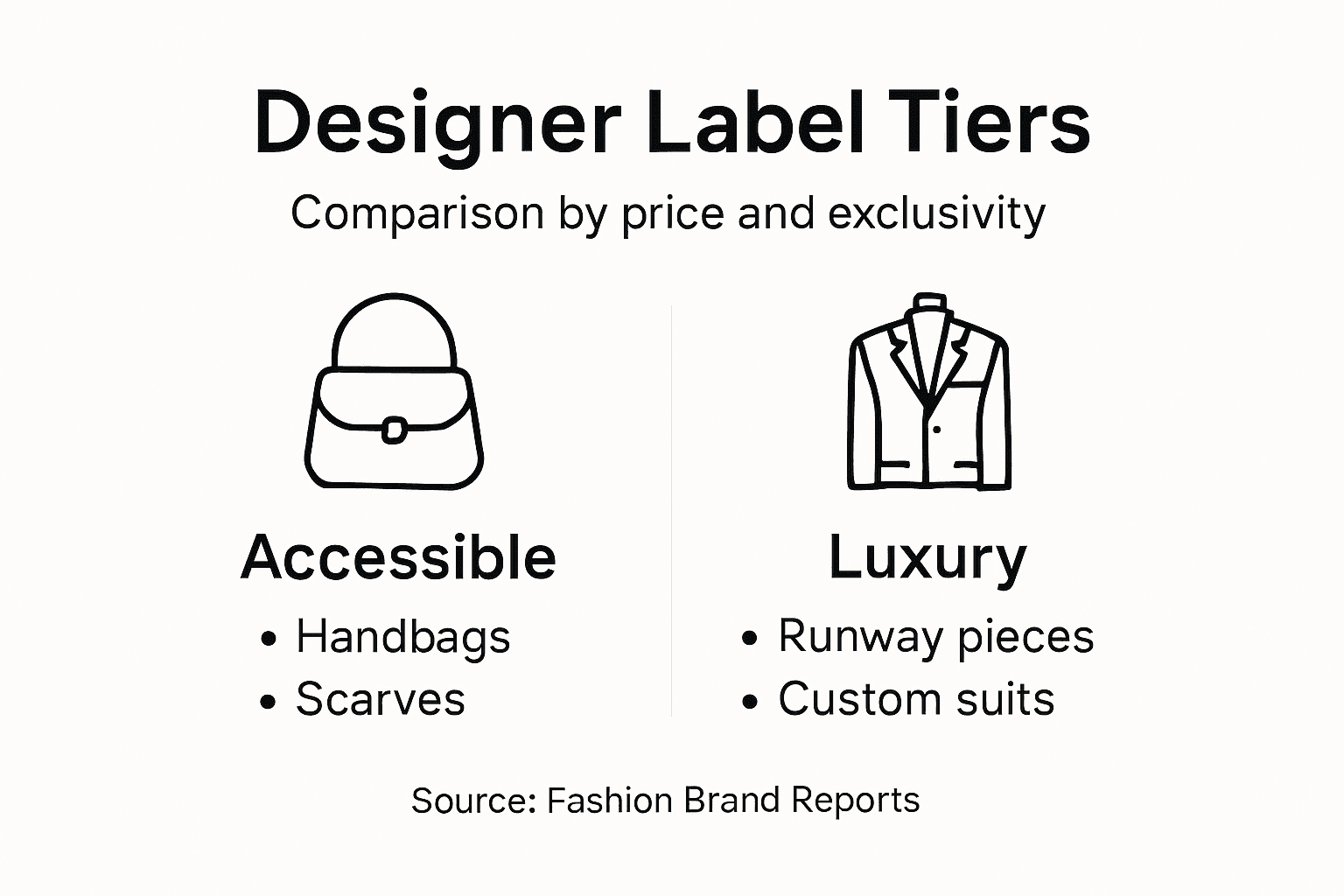
Today’s designer labels operate on multiple tiers. The accessible tier offers designer handbags, sunglasses, and scarves at price points reachable for affluent middle-class shoppers. The premium tier features ready-to-wear collections and accessories commanding significantly higher prices. The ultra-luxury tier reserves exclusive pieces, limited editions, and custom services for the wealthiest clientele who can afford items costing tens of thousands of dollars.
Here is a comparison of designer label tiers to help you understand their market positioning:
| Tier | Typical Products | Price Range | Target Consumer |
|---|---|---|---|
| Accessible | Handbags, eyewear, scarves | $200–$1,200 | Affluent middle class |
| Premium | Ready-to-wear collections | $1,500–$7,000 | Fashion-focused professionals |
| Ultra-luxury | Custom couture, high jewelry | $10,000+ | Wealthy collectors |
What you’re actually buying when you purchase a designer label extends beyond the product itself. You’re investing in heritage, creative vision, exclusivity, and yes, social recognition. The brand carries decades or centuries of reputation built through consistent quality, innovative design, and cultural influence. This is why genuine designer goods maintain their value and appeal compared to counterfeit alternatives that lack authenticity and craftsmanship.
The relationship between brand name and actual quality remains debated. Some designer pieces genuinely justify premium pricing through superior materials and construction. Others trade heavily on brand prestige, with markup reflecting the logo rather than tangible product advantages. Smart shoppers recognize the difference.
Pro tip: When selecting designer labels, evaluate both the brand’s heritage and the specific item’s craftsmanship rather than relying solely on the name, ensuring you’re paying for genuine value rather than pure prestige.
Main Types and Leading Designer Labels
Designer labels fall into distinct categories based on price point, exclusivity, and market positioning. The accessible tier includes brands offering entry-level designer pieces like scarves, wallets, and eyewear at moderate prices. The contemporary tier features ready-to-wear collections from established designers. The luxury tier comprises ultra-exclusive brands creating limited-edition pieces and haute couture reserved for the wealthiest clients.
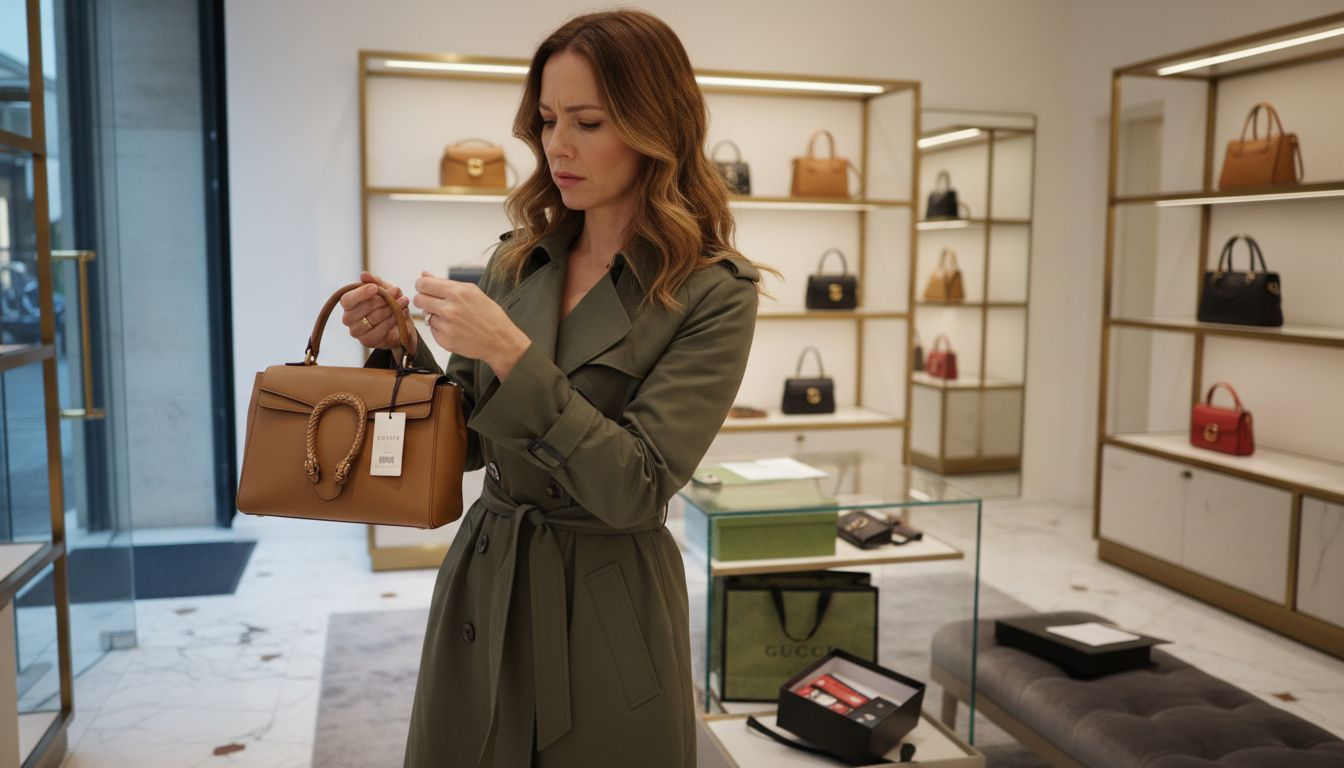
Top luxury fashion brands like Louis Vuitton, Gucci, and Prada compete aggressively by emphasizing originality and heritage. Each brand cultivates a distinct identity through innovative marketing, trendsetting designs, and carefully controlled production. Chanel maintains prestige through iconic silhouettes refined over decades. Balenciaga pushes boundaries with experimental designs appealing to fashion-forward consumers. These brands understand that exclusivity drives desirability.
The designer landscape extends beyond clothing and accessories. Luxury automobile manufacturers like Rolls-Royce and Mercedes-Benz operate under the same prestige principle, emphasizing superior craftsmanship and exclusivity. Designer labels also encompass jewelry, watches, fragrances, and home goods. Each category maintains strict quality controls and brand consistency across all touchpoints.
What distinguishes leading designer labels from competitors is their ability to balance heritage with innovation. Armani builds loyalty through timeless elegance. Burberry leverages British heritage and iconic patterns. These brands invest heavily in brand storytelling, celebrity partnerships, and strategic marketing that justifies premium pricing to discerning consumers worldwide.
Licensing has expanded designer reach into lower-priced categories. Many prestigious brands partner with retailers to offer affordable diffusion lines maintaining brand standards while reaching middle-class shoppers. This strategy protects brand equity while generating revenue from broader market segments.
Pro tip: Focus on designer brands that align with your personal style and build a collection of timeless pieces rather than chasing every trend, ensuring better long-term value and wearability from your investment.
How Designer Labels Differ From Luxury Brands
People often use “designer” and “luxury” interchangeably, but these terms describe fundamentally different approaches to fashion. Designer brands prioritize creativity, originality, and innovation, typically reflecting the personal vision of a founder or creative director. Luxury brands emphasize exclusivity, heritage, timeless appeal, and exceptional craftsmanship. The distinction matters because it affects what you get for your money.
Designer brands focus on fashion-forward innovation and broader market access while maintaining quality standards. These labels push creative boundaries, experiment with new silhouettes, and respond quickly to emerging trends. A designer brand might release multiple seasonal collections, each with distinct themes and styles. Trend-conscious consumers appreciate this constant evolution and fresh perspective.
Luxury brands take a different path. They build reputation through decades or centuries of consistent excellence, rarely departing from core design principles. Think Hermès perfecting leather craftsmanship for over a century, or Rolex establishing watchmaking mastery. These brands prioritize longevity over trend-chasing. Limited production runs maintain exclusivity and desirability among affluent clientele.
Designer brands appeal to consumers seeking originality and personal expression through fashion, while luxury brands attract buyers valuing timeless elegance and status. A designer label might cost less but change style annually. A luxury piece costs more but remains relevant for decades. Both offer high quality, yet their philosophies diverge significantly.
Production volume reveals another key difference. Luxury brands maintain scarcity through limited availability, creating waitlists and exclusivity. Designer brands often have broader accessibility while still maintaining quality standards. This explains why designer handbags might see seasonal variations while luxury houses guard iconic designs fiercely against modification.
Understanding this distinction helps you build a wardrobe strategically. Designer pieces work well for seasonal trends and personal expression. Luxury purchases serve as long-term investments in timeless style.
Pro tip: Mix designer trend pieces with luxury investment basics to create a balanced wardrobe that stays current without sacrificing lasting style and value.
Identifying Authenticity and Avoiding Fakes
Counterfeit designer goods flood the market, costing consumers billions annually and funding criminal enterprises. Authenticating purchases protects your investment and ensures you receive genuine quality. The good news? Real designer pieces leave unmistakable markers that fakes struggle to replicate convincingly.
Authentic designer labels require meticulous inspection of logos, stitching, and hardware details. Genuine products display flawless craftsmanship with perfectly aligned stitching, never wavering or fraying at edges. Logos appear crisp and perfectly centered. Hardware feels substantial, never lightweight or hollow. Counterfeiters often cut corners on these details because precision manufacturing costs money they refuse to spend.
Material quality separates authentic from fake instantly. Real designer bags use premium leather with specific weight, texture, and smell. Synthetic substitutes feel plasticky and smell chemical. Run your fingers across authentic pieces and notice the supple surface. Fake materials feel stiff or waxy. Genuine designer bags improve with age, developing character and patina. Counterfeits deteriorate rapidly, showing wear patterns inconsistent with quality construction.
Serial numbers and authenticity cards matter significantly. Legitimate designer purchases include certificates of authenticity with matching serial numbers on both the tag and card. Counterfeit certificates appear printed poorly with spelling errors or inconsistent formatting. Official brand websites allow you to verify serial numbers directly through their authentication systems.
Price red flags deserve attention. Designer outlet pricing rarely drops below 30 to 50 percent of retail, even during clearance sales. Suspiciously low prices indicate counterfeits. Purchase only from authorized retailers, official brand websites, or verified resellers with solid reputations. Unverified sellers on marketplaces represent the highest counterfeit risk.
Packaging quality reflects brand standards. Authentic designer purchases arrive in premium packaging with clean printing, quality boxes, and protective materials. Counterfeit packaging features poor printing quality, misspellings, and flimsy construction. The packaging itself signals authenticity.
Use this summary of authentication markers for designer goods as a quick reference:
| Authentication Feature | Genuine Piece Indication | Common Counterfeit Clue |
|---|---|---|
| Stitching | Perfect alignment, no fraying | Uneven or loose threads |
| Material | Supple premium leather | Synthetic, plastic feel |
| Serial Number | Matches authenticity card | Missing or inconsistent |
| Packaging | High-quality, branded box | Flimsy, misspelled printing |
Pro tip: Use official brand authentication apps or request professional authentication services before major purchases, ensuring protection against counterfeit goods that compromise both your investment and personal style.
Why Designer Labels Retain Value Over Time
Unlike fast fashion that depreciates immediately, quality designer pieces maintain or even increase their value. This isn’t accidental. Successful designer labels build products designed to last decades, creating long-term appeal that justifies their premium pricing. Your investment becomes wearable wealth.
Quality materials and craftsmanship form the foundation of value retention. Designer labels emphasize quality materials, craftsmanship, and timeless design that withstand years of use without deteriorating. A designer leather bag doesn’t crack or fade like synthetic alternatives. Premium silk maintains its luster through countless wears. Solid hardware doesn’t tarnish or corrode. These materials cost more upfront but preserve appearance and function for generations.
Timeless design choices matter tremendously. Designer labels avoid trend-dependent silhouettes that become dated within seasons. Instead, they create iconic pieces that transcend fashion cycles. A classic Hermès Birkin from 1984 remains as desirable today as when it launched. That timelessness ensures continued demand from new and existing collectors.
Certain designer brands hold their value or increase it due to limited production and iconic design, creating rarity that sustains demand. When production remains deliberately limited, each piece becomes more precious. Collectors know supplies won’t flood the market, so they maintain purchase interest and resale prices remain strong.
Exclusivity and heritage drive long-term desirability. Established designer labels carry decades of cultural relevance, heritage, and brand storytelling that newer fashion companies struggle to match. A Chanel quilted bag represents nearly a century of fashion influence. That heritage commands respect from buyers seeking authentic luxury.
Sustainable practices increasingly support value retention. Brands that provide care and repair instructions, promote reuse, and use durable materials appeal to environmentally conscious consumers. Your designer piece becomes an investment in sustainability rather than disposable fashion.
Pro tip: Purchase timeless designer staples with proven resale value history rather than trend pieces, ensuring your investment maintains or appreciates over time while remaining eternally wearable.
Discover Authentic Designer Labels at Unbeatable Prices
Navigating the world of designer labels can be overwhelming with concerns about authenticity, craftsmanship, and value. This article highlights how genuine designer pieces offer much more than a name — from superior materials to timeless designs that retain their worth over time. If you want to avoid counterfeits and invest in true luxury fashion without compromise look no further than DesignerLabelSale. Our curated collections provide verified authentic designer handbags, clothing, and accessories that align perfectly with your pursuit of genuine quality and style.
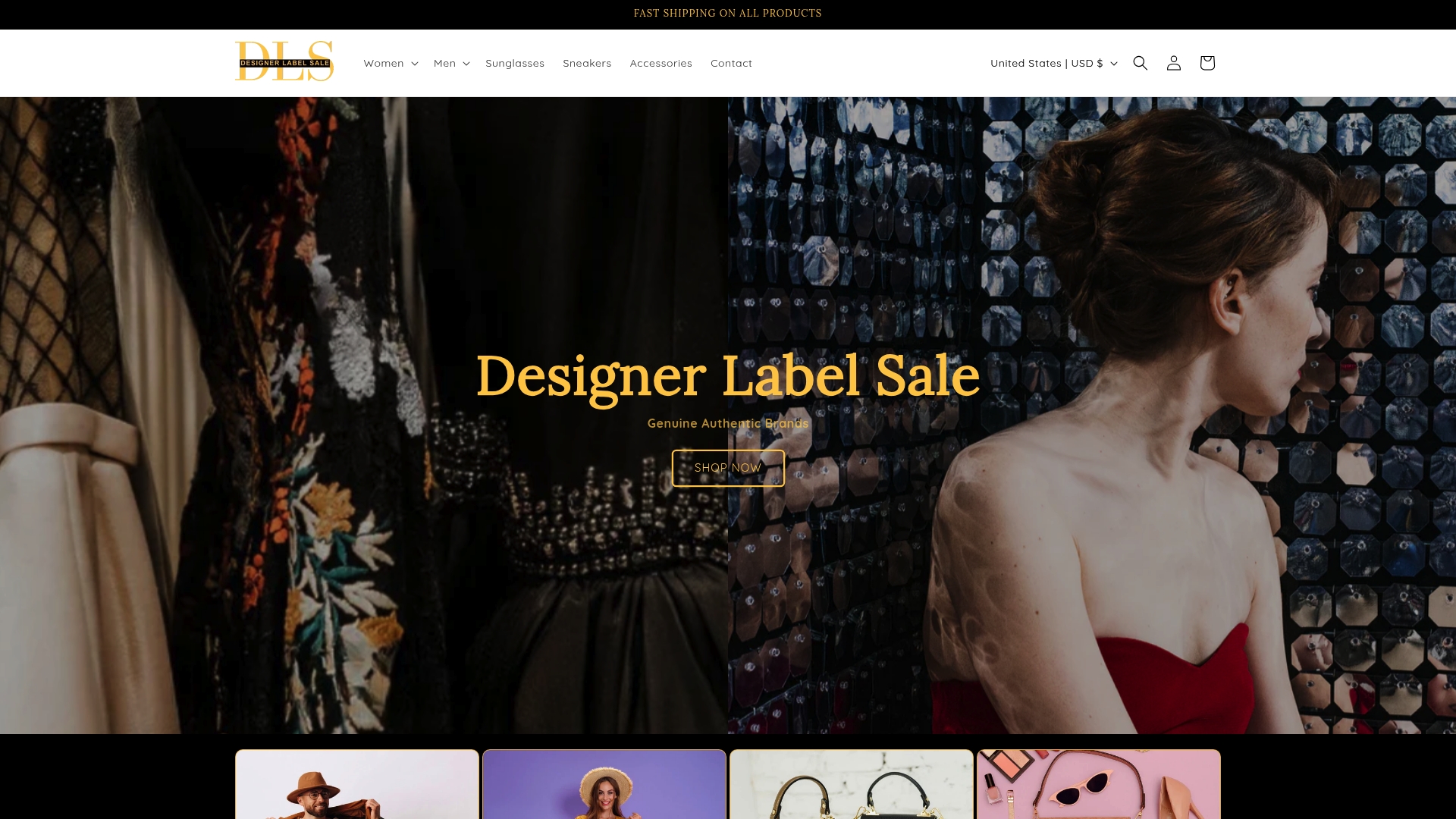
Take control of your luxury wardrobe today by exploring our wide range of authentic designer products available at discounted prices. Experience fast shipping and easy international purchasing options while securing your investment in enduring fashion. Don’t settle for less when you can shop confidently and affordably at DesignerLabelSale. Begin discovering exceptional value now and elevate your style with genuine designer labels.
Frequently Asked Questions
What defines a designer label in fashion?
A designer label is a prestigious brand name associated with high-quality clothing and accessories, often named after a designer or founder. It signifies superior craftsmanship and a certain level of status in the fashion world.
How do designer labels differ from luxury brands?
Designer labels focus on creativity and innovation, aiming for trendsetting styles, while luxury brands emphasize timeless elegance, heritage, and exceptional craftsmanship, often producing limited collections to maintain exclusivity.
How can I identify authentic designer goods?
To authenticate designer goods, inspect the quality of materials, stitching, and logos. Genuine products exhibit flawless craftsmanship, use premium materials, and often include serial numbers and authenticity cards that can be verified.
Why do designer labels retain their value over time?
Designer labels maintain or increase in value due to high-quality materials, timeless designs, limited production runs, and strong brand heritage, making them desirable investments compared to fast fashion items.