

Smart ways to shop designer fashion and save money
TL;DR:
- Timing sales during seasonal transitions can lead to discounts of 40 to 70 percent on authentic designer items.
- Authenticity relies on checking key details like stitching, hardware, labels, serial numbers, and interior lining.
- Resale platforms and official outlets offer significant savings, but caution is needed to avoid superfakes and counterfeit products.
Scoring a genuine Gucci bag or a real Prada coat at a fraction of retail sounds like a dream, but it’s a puzzle more shoppers are solving every day. The challenge isn’t just finding a low price; it’s knowing that what you’re buying is actually authentic and worth every dollar. Counterfeits are more convincing than ever, sale events can mislead, and not every “outlet” delivers the real thing. The good news is that with the right timing, the right platforms, and a sharp eye for detail, you can build a designer wardrobe that’s both genuine and genuinely affordable.
Table of Contents
- Know when and where to shop for real designer deals
- Master the art of authenticating designer goods
- Spotting superfakes and understanding vintage variations
- Making the final purchase: safe platforms and maximized savings
- Why real-life diligence beats shortcuts in designer shopping
- Discover authentic designer fashion at unbeatable prices
- Frequently asked questions
Key Takeaways
| Point | Details |
|---|---|
| Time your purchases | Shop end-of-season, Black Friday, or post-Christmas sales for the best designer deals. |
| Verify authenticity | Always check stitching, hardware, serial numbers, and materials to spot genuine items. |
| Understand superfakes | Superfakes are nearly identical counterfeits but usually fail interior checks. |
| Choose safe platforms | Buy from trusted outlets or resellers with authentication guarantees to avoid expensive mistakes. |
Know when and where to shop for real designer deals
Timing is everything in designer shopping. The difference between paying full retail and scoring 40 to 70% off often comes down to knowing exactly when to buy. According to Saks Off 5th sale strategies, the smartest shoppers time purchases around seasonal transitions, including January through March winter clearance, May and June spring sales, Black Friday, and the days right after Christmas, to unlock the deepest discounts at retailers like Saks Off 5th, Nordstrom Rack, and Mytheresa.
Here’s a quick look at how different shopping windows compare:
| Shopping period | Typical discount | Best for |
|---|---|---|
| January to March | 40 to 70% off | Winter coats, boots, knitwear |
| May to June | 30 to 60% off | Spring dresses, lightweight bags |
| Black Friday | 20 to 50% off | Accessories, footwear |
| Post-Christmas | 40 to 70% off | Full collections, gift sets |
Where you shop matters just as much as when. Official brand outlets and department store clearance sections rarely dip below 20 to 30% off. Established designer resale platforms, on the other hand, can push savings to 50 to 70% on authenticated pre-owned pieces. Understanding the types of designer sales available to you is the first step toward shopping with real strategy.
Safe platforms to prioritize include:
- Department store outlets like Nordstrom Rack and Saks Off 5th
- Established resale sites with built-in authentication programs
- Brand-owned online outlets with clear return policies
- Curated luxury fashion sites with verified seller standards
Be cautious with open marketplaces like eBay or Depop for high-value items unless they offer explicit authenticity guarantees. The risk of receiving a counterfeit simply isn’t worth the potential savings. For a deeper breakdown of finding the best designer sales, it pays to research before you click.
Pro Tip: Sign up for email newsletters on your favorite designer outlet sites before a major sale period. Many send exclusive early-access codes or additional percentage-off coupons that stack on top of already-reduced prices, giving you a meaningful extra edge on discounted designer brands.
Master the art of authenticating designer goods
Once you know where and when to buy, your next challenge is guaranteeing that your coveted item is genuinely designer. Authentication is a skill, and it’s one that pays for itself every single time you use it.
The most reliable physical indicators of an authentic piece include:
- Stitching: Even, tight, and consistent throughout, with no loose threads
- Hardware: Heavy, engraved, and resistant to scratching or tarnishing
- Material: Natural leathers flex and develop patina; synthetics feel stiff or smell chemical
- Labels and fonts: Crisp, perfectly aligned, with no bleeding ink or uneven spacing
- Serial numbers: Present, correctly formatted, and verifiable with the brand
Experts confirm that authenticating via stitching, hardware weight, serial numbers, material quality, and label alignment remains the gold standard for spotting fakes. These aren’t just surface-level checks; they reflect the craftsmanship standards that define luxury goods.
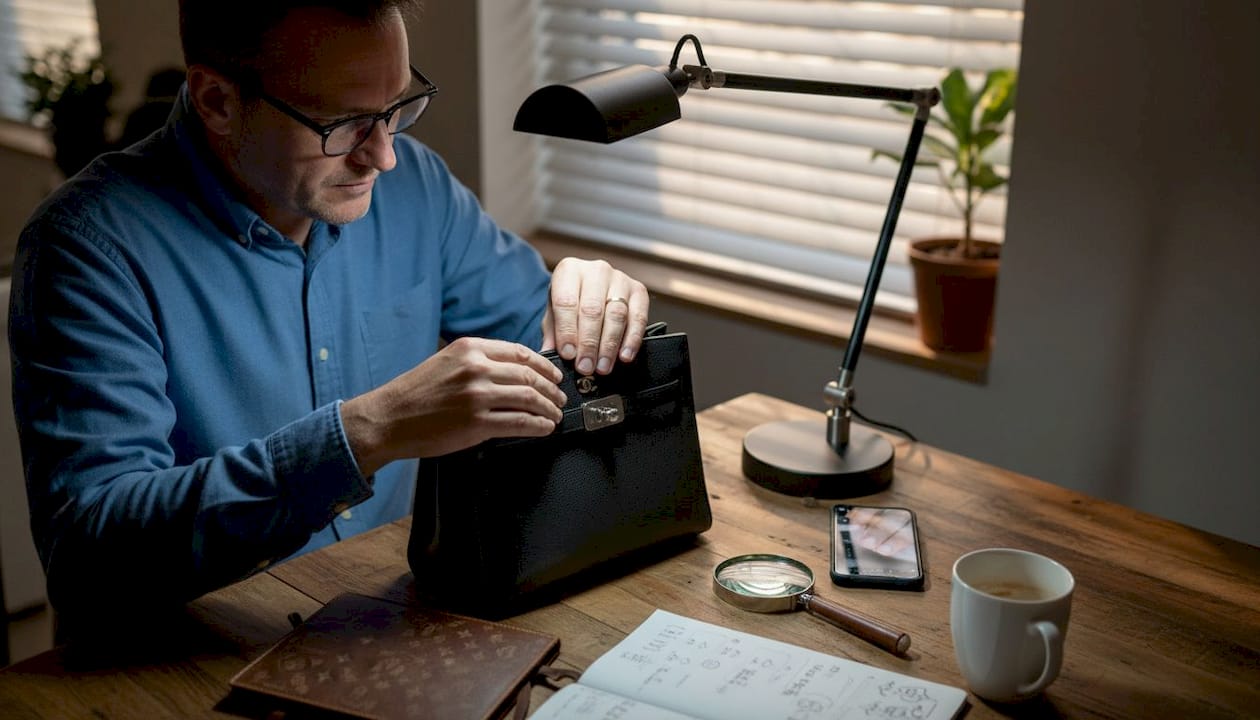
For vintage pieces, the stakes go even higher. A vintage shopping guide from Forbes recommends inspecting hardware and material patina in person, using magnification for logo and font details, and turning to professional authentication services for any item valued above $2,000. That last point is critical: the cost of a professional check is trivial compared to the loss of buying a fake.
Common red flags to watch for:
| Warning sign | What it suggests |
|---|---|
| Chemical or plastic odor | Synthetic materials, likely counterfeit |
| Lightweight hardware | Low-grade metal, not genuine |
| Misaligned logo or label | Poor quality control, probable fake |
| Blurry or uneven font | Counterfeit printing process |
| No serial number or wrong format | Almost certainly not authentic |
Pro Tip: Always request detailed photos of the interior lining, hardware engravings, and care labels before buying online. A seller who hesitates to provide these images is sending you a clear signal. Our guide to spotting authentic designer bags and authenticating designer labels walks you through each check step by step.
Spotting superfakes and understanding vintage variations
Even the most careful shoppers can be fooled by “superfakes,” and here’s how to stay ahead. A superfake is a high-quality counterfeit that goes far beyond the cheap knockoffs of the past. These items are manufactured to closely mimic the exterior of real designer goods, using materials and finishes that can fool the untrained eye at first glance.
The key insight is this: superfakes fool exteriors but fail interior lining and weight tests, and vintage items require era-specific markers to verify properly. Counterfeiters invest in getting the outside right because that’s what buyers see in photos. The inside is where they cut corners.
“The exterior of a superfake can be nearly indistinguishable from the real thing. But the interior lining, the weight in your hand, and the precision of date code formats will almost always give it away.”
Here’s a step-by-step process to verify any high-value purchase:
- Inspect the interior lining for quality stitching, correct branding, and fabric weight
- Hold the item and assess its weight; genuine hardware and quality leather add significant heft
- Check date codes or serial numbers against the brand’s known historical formats for that production era
- Research era-specific details for vintage pieces, including stamp styles, zipper brands, and hardware finishes used in that period
- Consult a professional authenticator if any detail feels off or the price seems too good to be true
For vintage pieces specifically, brands like Louis Vuitton changed their date code formats multiple times across decades. Knowing which format corresponds to which production year is the kind of detail that separates informed buyers from easy targets. Resources like this Louis Vuitton authentication tips guide are invaluable for collectors.
When in doubt, lean on our resources for spotting genuine luxury brands and understanding what is authentic designer to sharpen your instincts before any major purchase.
Making the final purchase: safe platforms and maximized savings
You’re ready to buy, but before you click checkout, run through these last crucial safeguards to ensure a smart, safe deal. The platform you choose at this stage is just as important as everything you’ve done to authenticate the item.
Key things to confirm before completing any purchase:
- Authenticity guarantee: Does the platform explicitly promise verified authentic goods?
- Return policy: Can you return the item if an independent authenticator disagrees?
- Seller reviews: Are there verified, detailed reviews from real buyers?
- Third-party verification: Does the platform use an external authentication service?
- Secure payment: Is the checkout process encrypted and does it offer buyer protection?
The risk of skipping these checks is real. As noted by trusted platforms for designer deals, you should avoid eBay and Depop without authentication guarantees due to the high risk of counterfeit items slipping through. Even experienced shoppers get caught out on open marketplaces without proper protections in place.
Once you’ve confirmed the platform is trustworthy, it’s time to maximize your savings. Sign up for alerts and newsletters to receive welcome discounts, which often range from 10 to 15% off your first order. These can be stacked with existing sale prices for genuinely impressive total savings.
For a detailed walkthrough of buying designer handbags safely and safe designer shopping practices, we’ve put together resources that cover every step of the process.
Pro Tip: If your credit card offers reward points or cashback on fashion purchases, activate those benefits before checking out. Combining a card reward with a sale price and a newsletter discount can push your effective savings well beyond what any single promotion offers alone.
Why real-life diligence beats shortcuts in designer shopping
Most guides focus on browser extensions, price trackers, and alert tools. Those are useful, but they miss the bigger picture. The shoppers who consistently get the best deals on genuine designer pieces are the ones who invest real time in understanding what they’re buying, not just what they’re paying.
Knowing how a genuine Celine bag feels in your hands, or recognizing the exact weight of real Louis Vuitton hardware, is knowledge that no app can replicate. It builds over time through research, hands-on experience, and a genuine curiosity about craftsmanship. That knowledge protects your budget far better than any shortcut.
Chasing the deepest discount from an unverified source is where most costly mistakes happen. A “deal” that turns out to be a superfake isn’t a deal at all; it’s a loss. Our authentic designer checklist exists precisely because patience and preparation are the real competitive advantages in this space. Build your knowledge base first, and the savings will follow naturally.
Discover authentic designer fashion at unbeatable prices
If you’re ready to score your next authentic piece, here’s where smart fashion lovers shop with confidence.
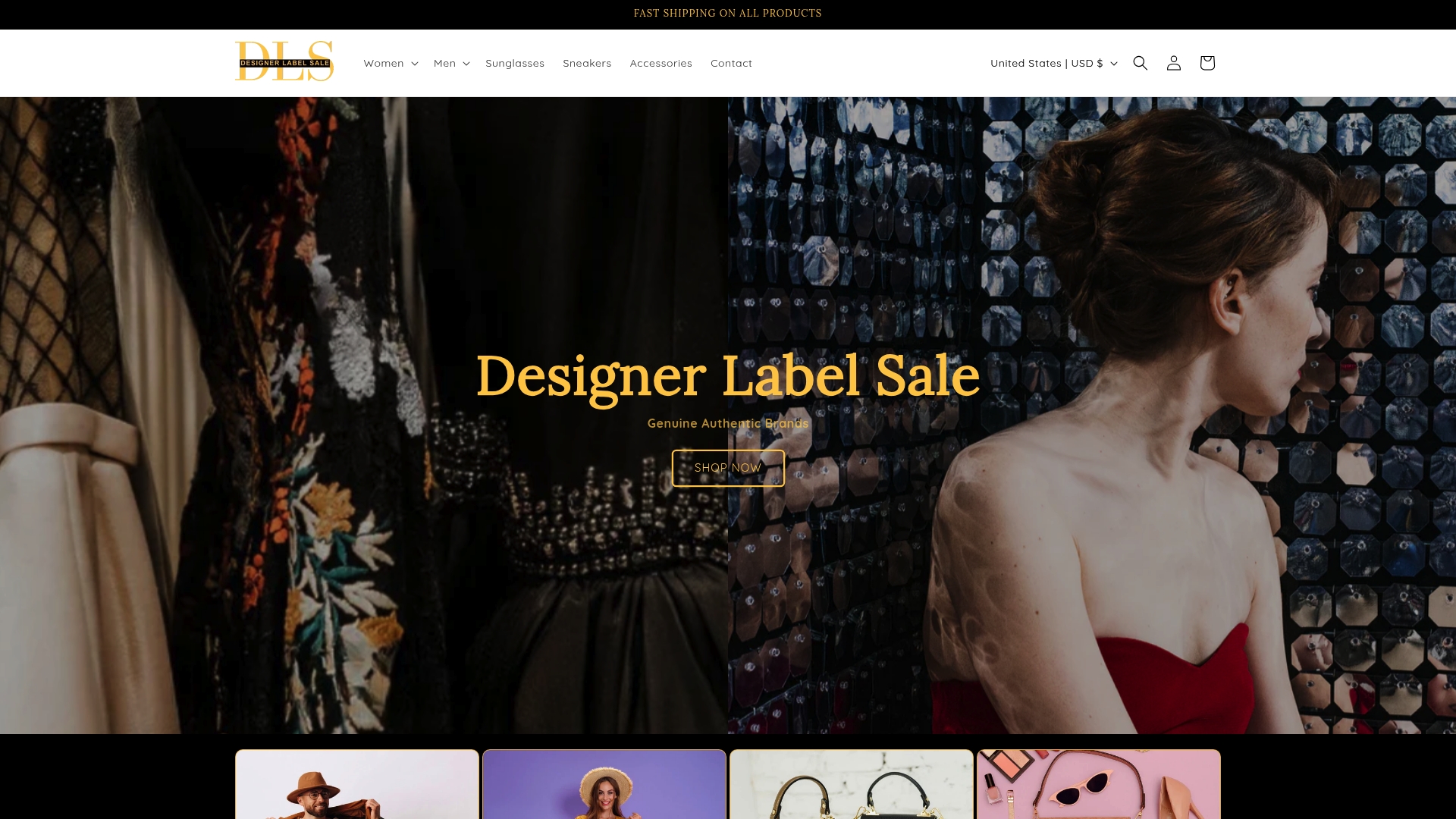
At shop authentic designer deals, every item is vetted for authenticity so you never have to second-guess your purchase. We carry a wide range of genuine designer brands across clothing, handbags, accessories, and footwear, all at prices that make luxury genuinely accessible. Browse curated sales, explore new arrivals, and take advantage of ongoing promotions backed by real authenticity guarantees. Whether you’re hunting for a statement bag or a wardrobe-defining coat, our team is here to make sure every dollar you spend goes toward something real, lasting, and worth wearing.
Frequently asked questions
What months have the best designer sales?
The deepest discounts typically occur during January through March and May through June clearance events, plus Black Friday and post-Christmas sales, when retailers push 40 to 70% off to clear seasonal inventory.
How do I quickly tell if a designer item is fake?
Start by checking stitching uniformity, hardware weight, and label alignment, then look for serial numbers that match the brand’s known format for that product line.
Are outlets or resale sites cheaper for designer brands?
Resale sites often offer 50 to 70% off on authenticated pre-owned pieces, while official brand outlets typically max out at 20 to 30% off retail prices.
What is a ‘superfake’ in designer shopping?
A superfake is a counterfeit item that closely mimics a real designer product’s exterior but can usually be exposed by checking interior lining and weight, along with era-specific brand details like date code formats.
Recommended
- How to save on designer brands: 2026 guide for savvy shoppers – Designerlabelsale
- How to Compare Designer Sale Prices for Maximum Savings – Designerlabelsale
- Discounted Designer Brands: Smart Fashion Choices – Designerlabelsale
- 7 Types of Designer Sales Every Fashionista Should Know – Designerlabelsale