

The ultimate checklist for authentic designer brands online
TL;DR:
- Authentic logos exhibit precise typography, alignment, and embossing, while fakes often have blurry details.
- Genuine leather feels natural, smells earthy, and develops a patina over time, unlike fake materials.
- Digital verification tools like NFC and QR codes require full verification processes, as clones can bypass simple scans.
Scoring a genuine Gucci bag or a pair of real Balenciaga sneakers at a discount feels incredible until you realize the item you received is a superfake. The counterfeit luxury market is worth an estimated $4.5 trillion globally, and fakes are getting frighteningly good. Savvy shoppers who rely purely on gut feeling are increasingly getting burned. A structured, repeatable checklist is the only reliable way to separate authentic designer brands from convincing imitations, especially when you are shopping online and cannot hold the item in your hands before paying.
Table of Contents
- Logo checks: Spot designer precision
- Material inspection: Leather, texture, and smell
- Stitching, hardware, and lining: Details matter
- Digital verification: NFC, QR codes, and online tools
- Expert perspective: Where most shoppers go wrong
- Shop authentic designer brands with confidence
- Frequently asked questions
Key Takeaways
| Point | Details |
|---|---|
| Logo precision matters | Designer logo details like typography, spacing, and embossing are the first giveaway of authenticity. |
| Materials reveal truth | Check leather, texture, and smell—authentic items use high-end, natural materials. |
| Check interior details | Superfakes copy exteriors but rarely replicate perfect lining, stitching, or hardware. |
| Digital codes need official verification | Always use the brand’s app or website to confirm NFC or QR code authenticity. |
| Structured checklist wins | Following a step-by-step authenticity checklist beats relying on gut feeling every time. |
Logo checks: Spot designer precision
Every luxury house treats its logo as sacred. The typeface, spacing, embossing depth, and alignment are obsessively controlled across every product line. That consistency is exactly what makes logos such a powerful authenticity marker, and it is also why fakes almost always fail here first.
When you are spotting authentic designer bags or any other luxury item, start with the logo before anything else. Request multiple close-up photos from the seller. Look for these red flags:
- Blurry or soft edges on letters, even in a well-lit photo
- Uneven spacing between characters that should be perfectly uniform
- Misaligned embossing that sits off-center or at a slight angle
- Notched or incomplete details in letters like the interlocking Gs on Gucci hardware
- Color inconsistency in printed logos, especially on canvas or coated materials
Authentic designer logos are produced with industrial precision. A real Louis Vuitton monogram, for example, is never cut off at a seam. The pattern is deliberately aligned so that the LV initials appear whole on every panel. Fakes rarely bother with this level of detail because it requires expensive, calibrated manufacturing.
“Inspect logos for precise typography, spacing, embossing depth, and alignment; fakes often have blurry, uneven, or misaligned logos.”
Professional buyers who authenticate designer label authenticity for a living still use logo inspection as their first filter. It is fast, visual, and surprisingly decisive. If a seller refuses to provide close-up logo photos or the images are suspiciously low resolution, treat that as a serious warning sign. When in doubt, compare the photos directly against official brand imagery from the house’s own website. The difference between a real and fake logo is often obvious the moment you place them side by side.
For a deeper breakdown of what to look for across specific brands, the genuine luxury brands guide covers brand-specific logo quirks that counterfeiters consistently miss.
Material inspection: Leather, texture, and smell
Once you are satisfied with the logo, shift your attention to material quality. This is where many superfakes fall apart, because replicating the feel, smell, and aging behavior of genuine luxury leather is extraordinarily difficult and expensive.
Authentic designer goods use full-grain or top-grain leather that has a natural, irregular grain pattern. Run your fingers across a real Chanel flap bag and you will feel a supple give, a slight warmth, and a texture that varies subtly across the surface. Fakes use bonded leather or PU materials that feel stiffer, cooler, and unnervingly uniform.
Here is what to evaluate when checking materials:
- Smell: Natural leather vs. chemical odor is one of the clearest tells. Genuine leather smells earthy and slightly animal. Fakes often smell of plastic, glue, or harsh chemicals.
- Texture: Authentic leather has a natural grain with subtle imperfections. Fake leather looks too perfect, almost like a repeated stamp.
- Patina: Real leather develops a patina over time, darkening at stress points. Fakes either do not age or age badly, cracking and peeling.
- Color consistency: Genuine dyes penetrate the leather evenly. Fakes often show uneven color, especially at edges and seams.
- Suppleness: Squeeze the material gently. Authentic leather bounces back with a soft resistance. Fake materials feel either too rigid or too flimsy.
Pro Tip: When shopping online, search for video reviews of the exact item on YouTube. Real buyers often film unboxings that show the material texture and smell reaction in real time. High-resolution zoom images from the seller are also essential. If a seller only provides flat, filtered photos, ask specifically for natural-light close-ups of the material surface.
For a full breakdown of what separates genuine designer goods from convincing fakes at the material level, including specific brand standards, that resource is worth bookmarking before your next purchase.
Stitching, hardware, and lining: Details matter
Superfakes have gotten so good at mimicking exterior appearances that checking only the outside is no longer enough. The real authenticity signals are often hidden inside or in details that counterfeiters deprioritize because most buyers never look there.
Start with stitching. On a genuine designer bag or shoe, every stitch is perfectly even, tight, and consistent in length. There is no fraying, no loose threads, and no variation in the stitch angle. Count the stitches per inch on a seam if you can. Luxury houses like Hermès use a specific saddle-stitch count that is documented and consistent across their entire product line.
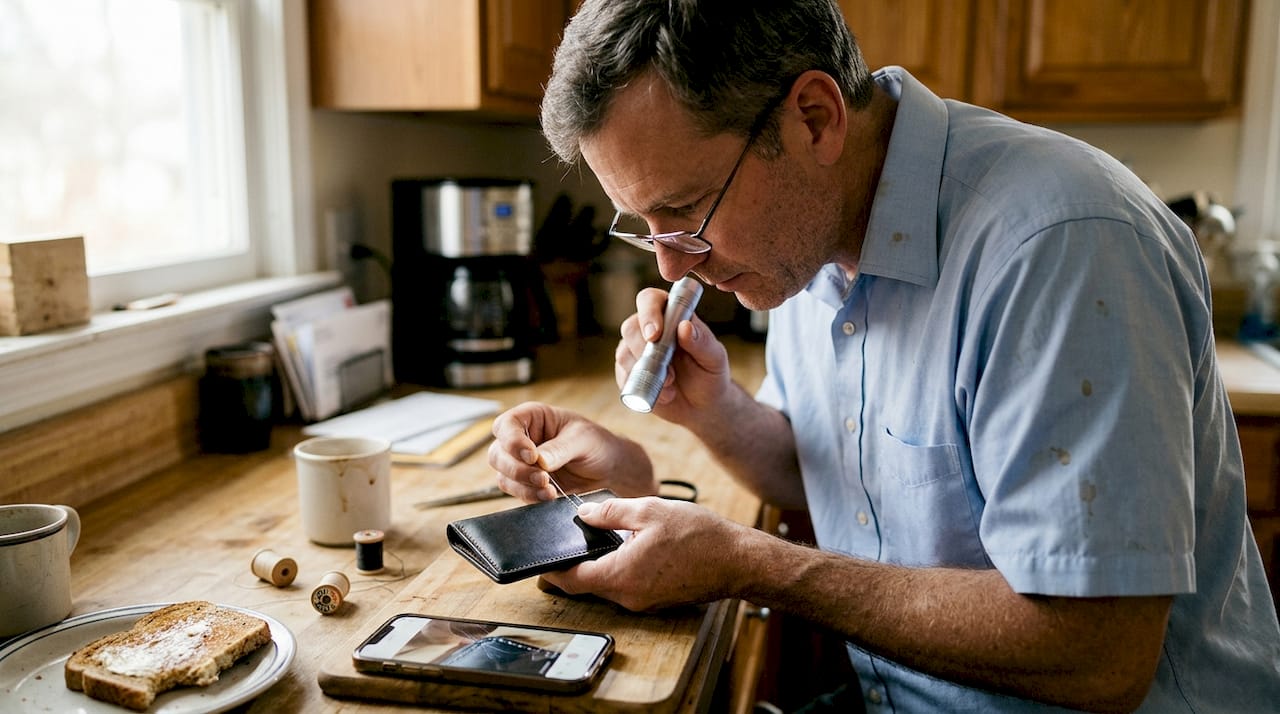
Next, examine the hardware. Authentic designer hardware is heavy, solid, and engraved with precision. Zippers from brands like YKK or Lampo are often used by luxury houses and have a smooth, satisfying glide. Fake hardware feels light, hollow, and often has a slightly rough or powdery finish. Engravings on fakes are shallow and may look stamped rather than cut.
Here is your interior checklist:
- Lining material: Authentic bags use high-quality fabric or leather linings, never rough or scratchy materials
- Serial numbers: Check placement, font, and depth; fakes often use incorrect formats or stamp numbers too lightly
- Weight: Hold the item if possible; genuine bags feel substantial because of quality materials and hardware
- Pocket construction: Interior pockets should be cleanly finished with no raw edges or uneven seams
Pro Tip: Always request high-resolution images of the interior lining, zipper pull, and any serial number tags before purchasing. Then use a reverse image search on the seller’s photos to check whether the same images appear across multiple listings.
As authentication experts note, superfakes challenge even professional authenticators, which is why interior details and weight have become the new frontline of verification. Understanding how designer goods trust impact the resale value of your purchase makes this level of scrutiny worth every extra minute.
Digital verification: NFC, QR codes, and online tools
The luxury industry is embracing technology to fight counterfeits. NFC chips, QR codes, and digital product passports are becoming standard features on high-end goods. But knowing these tools exist is only half the battle. You need to know how to use them correctly.
Follow this verification process when a digital tag is present:
- Scan the NFC chip or QR code using your phone’s native camera or the brand’s official app
- Check the URL that appears. It must point to the brand’s official domain, not a third-party site
- Complete the full verification flow within the official app or website
- Look for a unique product ID that matches the physical label on the item
- Cross-reference the product details shown digitally with the physical item in your hands
Here is a quick comparison of digital verification tools:
| Tool | Reliability | Risk of cloning | Best used with |
|---|---|---|---|
| NFC chip | High | Moderate | Official brand app |
| QR code | Medium | High | Official brand website |
| Digital passport | Very high | Low | Full verification flow |
| Hologram sticker | Low | Very high | Physical inspection only |
As digital authentication tools evolve, brands like Moncler have implemented NFC and digital passports that require completing an official verification flow. A scanned code that simply displays a webpage without a unique product match is not proof of authenticity. Codes can be cloned and attached to fakes.
Beyond digital tags, use reverse image search on seller photos and check seller reviews carefully. For secure designer deals online, always request a return policy and authentication paperwork. Making smart designer brand choices means treating digital tools as one layer of a multi-step process, not a standalone guarantee.
Expert perspective: Where most shoppers go wrong
Here is the uncomfortable truth: overconfidence is the single biggest risk factor when buying discounted designer goods online. Most shoppers who get burned by fakes are not naive. They are experienced buyers who trusted their instincts over a structured process.
Superfakes are engineered to exploit that confidence. They nail the exterior details that experienced shoppers check first, then cut corners on the interior, the weight, and the hardware finish. The buyer sees what they expect to see and stops looking.
The counterintuitive insight is this: the more you know about luxury goods, the more important a checklist becomes. Expertise creates blind spots. A checklist eliminates them. Every item should be treated as a potential fake until each criterion is verified, regardless of how good the deal looks or how trustworthy the seller seems.
Return policies, buyer protection programs, and digital verification are three safeguards that most shoppers overlook entirely. They feel like fine print. They are actually your best insurance. Before you click buy, check whether the platform offers a real return window and whether the seller provides authentication documentation. A guide on saving on designer brands while staying protected is worth reading before your next purchase.
Shop authentic designer brands with confidence
Now that you have a complete checklist in hand, the next step is finding a platform that does the verification work alongside you. At Designer Label Sale, every item is sourced to meet authenticity standards, with clear product photography, accurate descriptions, and transparent pricing.
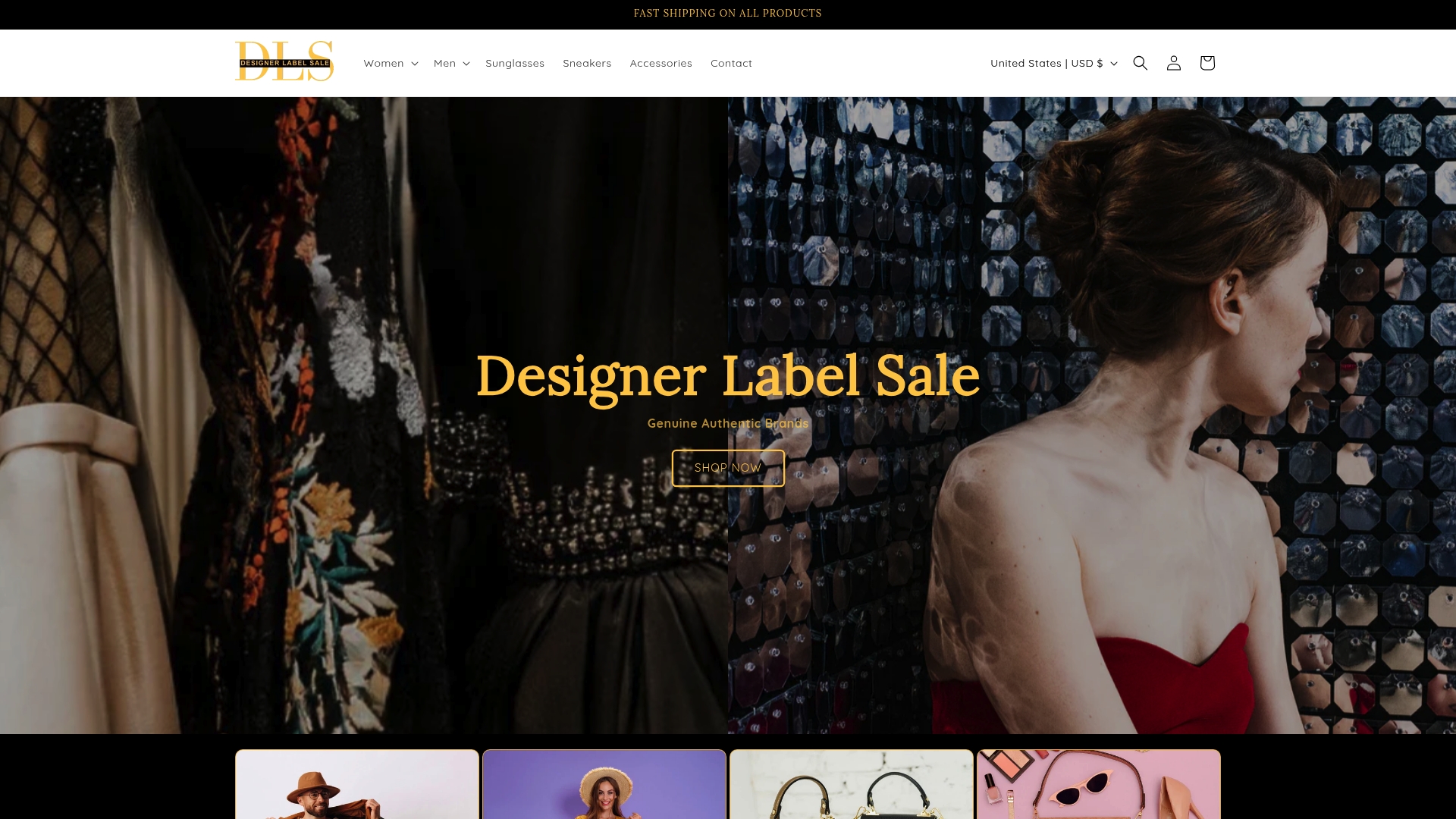
Browse pieces like the Dolce & Gabbana ankle boots or the refined Dolce & Gabbana dress shoes to see what genuine designer craftsmanship looks like up close. For something bold and contemporary, the Cédric Charlier metallic pumps are a great example of verified luxury at a real discount. Use your checklist as you browse. Ask questions. Expect transparency. That is how confident luxury shopping works.
Frequently asked questions
What is the fastest way to check if a designer item is authentic?
Start by inspecting the logo typography and alignment and request high-res close-up images from the seller. Then check material quality and any digital verification codes through official brand channels.
Are NFC/QR code tags a guarantee of authenticity?
No. As digital codes can be cloned, you must complete the full official verification flow through the brand’s app or website to confirm authenticity, not just scan and assume.
How can I use reverse image search for authenticity?
Upload the seller’s product photos to Google Images or TinEye. If the same images appear across multiple unrelated listings or stock photo sites, the seller may not actually have the item and the listing could be fraudulent.
Why is the return policy important for authenticity?
A flexible return policy gives you time to have the item independently authenticated after delivery, protecting you from fraud if the item turns out to be a fake.