

Authenticity in Designer Goods: 70% Trust Impact in 2026
Over 70% of consumers say authenticity strongly influences their decision to buy luxury designer goods. If you’ve ever hesitated before clicking “buy” on a discounted designer handbag, you’re not alone. Authenticity concerns stop countless shoppers from accessing genuine luxury at better prices. This guide clarifies how to verify authentic designer goods confidently, understand what makes items genuine, and shop discounted luxury without counterfeit risks.
Table of Contents
- Introduction To Authenticity In Designer Goods
- Why Authenticity Matters: Brand Integrity And Trust
- Authenticity Verification Methods In Designer Goods
- Common Misconceptions About Authenticity In Discounted Designer Goods
- Economic And Style Implications Of Authenticity
- Implementing Authenticity Assurance When Buying Discounted Designer Goods
- Conclusion And Summary
- Discover Authentic Luxury At Confident Prices
Key Takeaways
| Point | Details |
|---|---|
| Trust foundation | Authenticity underpins consumer confidence and brand value in luxury fashion purchases. |
| Multiple verification | Technologies like RFID, serial codes, and blockchain provide reliable authentication methods. |
| Discount reality | Authorized outlet sales offer genuine designer goods at 20-50% off, not counterfeits. |
| Quality preservation | Authentic items maintain superior materials, craftsmanship, and long-term resale value. |
| Smart shopping | Combining technology tools with trusted sources ensures confident discounted luxury buying. |
Introduction to Authenticity in Designer Goods
Authenticity in designer goods is essential to preserving brand identity and consumer trust. At its core, authenticity means verifying an item’s true origin, confirming it meets brand craftsmanship standards, and ensuring it carries legitimate trademark protection. For luxury fashion, this verification separates items produced under strict brand oversight from unauthorized copies flooding the market.
Brand identity relies on consistent quality and design integrity. When you buy authentic, you’re purchasing the creative vision, heritage, and reputation a brand has built over decades. Counterfeit goods present ongoing issues affecting the luxury market’s integrity, damaging both brand value and consumer confidence. These fakes often use inferior materials and lack quality control, delivering poor style and durability.
Authentic designer items carry specific markers. Understanding genuine designer goods importance helps you recognize these signs:
- Precise stitching patterns unique to each brand
- High-quality materials like genuine leather, premium hardware, and luxury fabrics
- Official serial numbers, date codes, or authenticity cards
- Brand-specific packaging and dust bags
- Consistent logo placement and font styling
Recognizing what makes items authentic designer quality empowers you to shop confidently. Authentic goods preserve their value over time, maintain their style appeal, and reflect your taste for genuine luxury. The investment in authenticity pays dividends in durability, resale potential, and personal satisfaction.
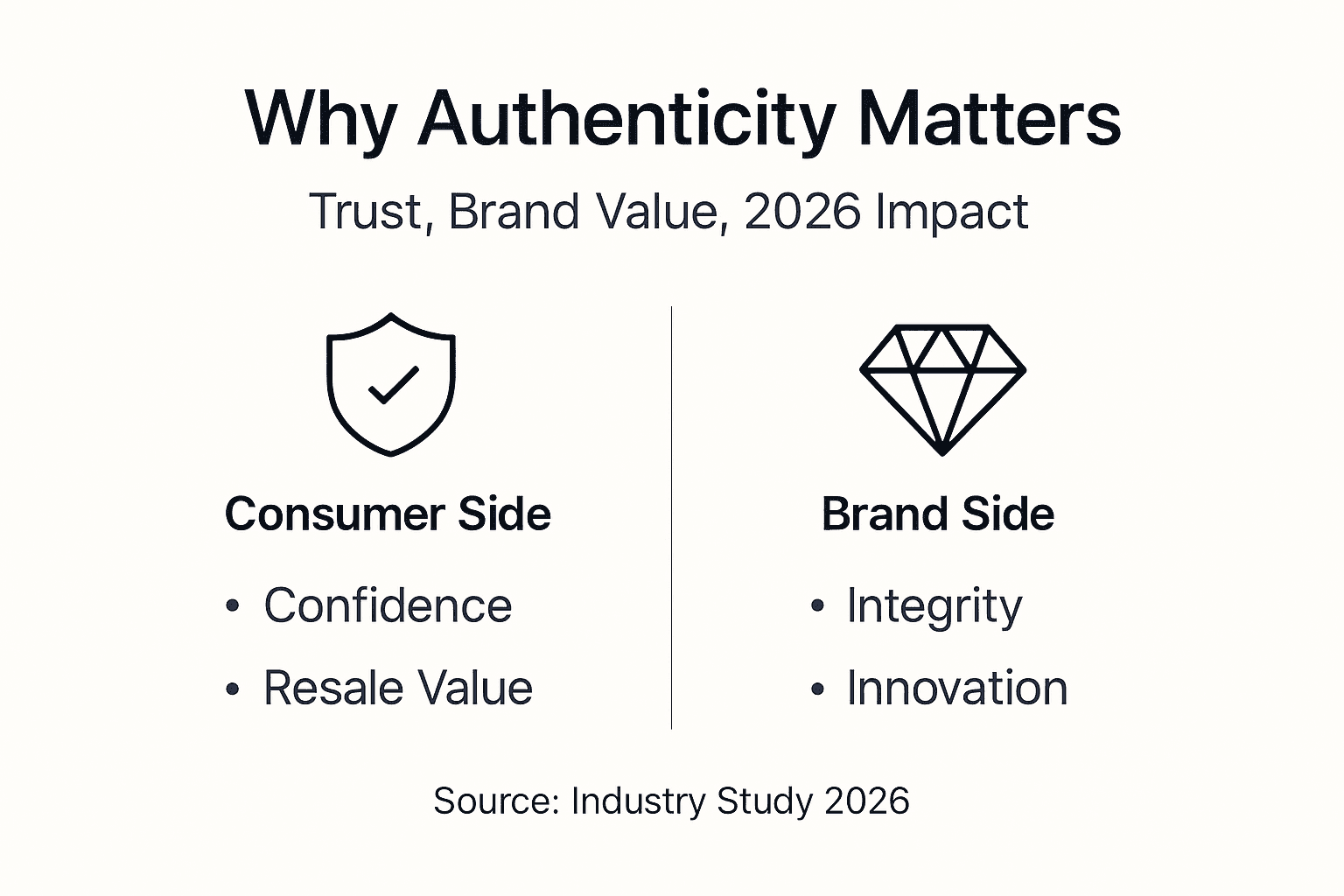
Why Authenticity Matters: Brand Integrity and Trust
Counterfeit luxury goods cause billions in economic losses annually, undermining legitimate brands and harming consumers. This economic damage extends beyond lost sales. It erodes the creative investment brands make in design, innovation, and quality control.
Authenticity significantly influences 70%+ of consumers’ luxury purchase decisions, revealing how deeply trust matters in this market. When brands maintain authentication standards, they protect their reputation. When consumers verify authenticity, they protect their investment. This mutual relationship sustains the entire luxury fashion ecosystem.
Consumer trust drives purchase behavior in powerful ways. You’re more likely to buy from sources proving their goods are genuine. You’re willing to pay premium prices when authenticity is guaranteed. You return to retailers who consistently deliver verified designer items. This loyalty cycle reinforces brand integrity and authenticity as market cornerstones.
Authenticity preserves designer style and prestige across key areas:
- Creative vision remains intact without unauthorized alterations
- Brand heritage and storytelling maintain their meaning
- Quality standards uphold reputation and customer satisfaction
- Resale markets function properly with verified provenance
- Consumer communities share genuine experiences and recommendations
Counterfeit Impact: Fake goods damage all stakeholders. Brands lose revenue to fund future collections. Consumers receive poor quality that tarnishes their perception of luxury. The broader market suffers from diminished trust and inflated counterfeit availability.
Counterfeit sales fund illegal operations while legitimate brands invest in sustainability, fair labor, and innovation. Choosing authentic designer goods supports ethical fashion and protects the creative industry’s future.
Authenticity Verification Methods in Designer Goods
Brands use proprietary techniques including serial numbers and RFID chips to verify authenticity, giving you multiple tools to confirm genuine items. These security features have evolved significantly, incorporating technology that makes counterfeiting increasingly difficult.
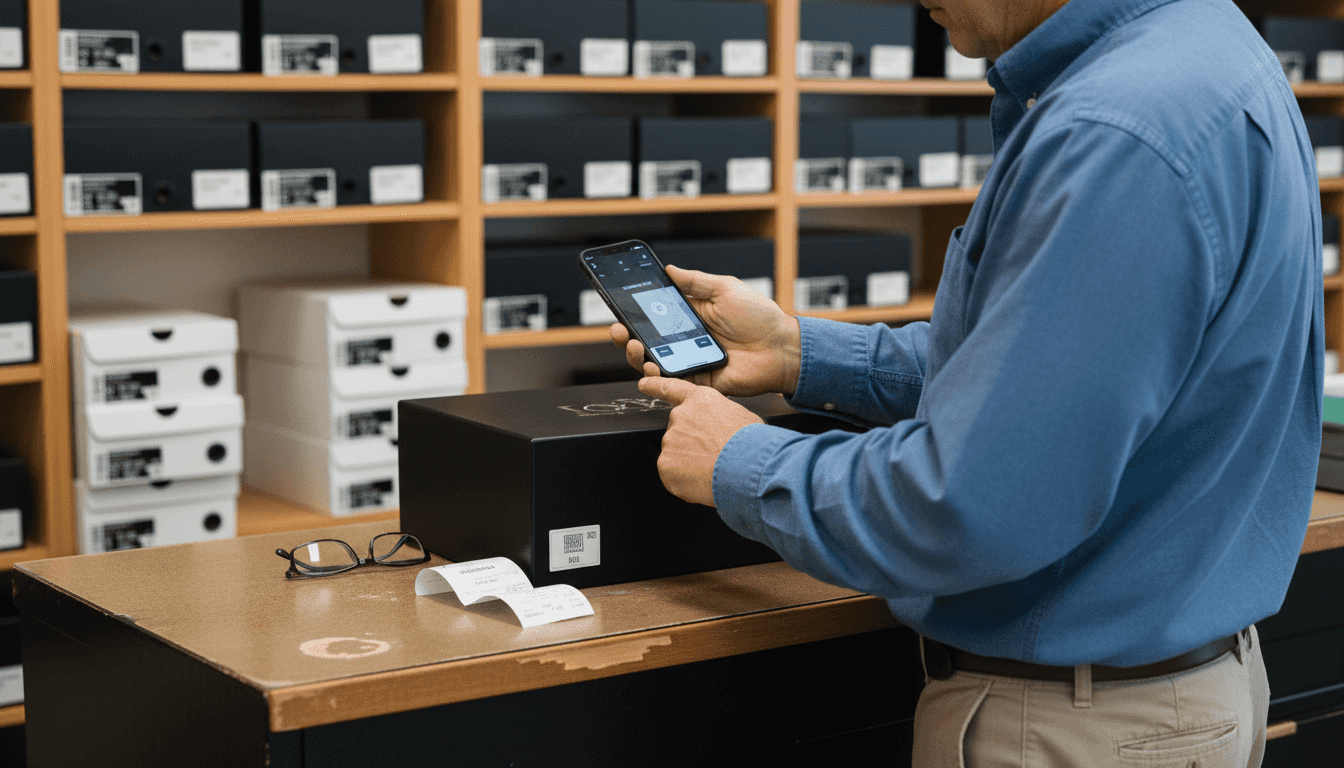
Modern verification combines traditional and digital approaches. Serial numbers remain fundamental, with each luxury item receiving a unique identifier linking to brand databases. RFID chips embedded in tags or products allow instant scanning for authentication. Holograms and special inks visible under UV light provide additional security layers.
Blockchain and digital certification increasingly secure designer goods provenance, creating permanent ownership records. Blockchain technology offers transparent tracking from manufacturing through retail, making fake goods easier to identify. Digital certificates accompany high-value items, accessible via smartphone apps for instant verification.
Third-party authentication services add crucial confidence. Professional authenticators examine items using specialized knowledge and equipment. Services like Entrupy use AI-powered microscopic analysis, while expert authenticators assess craftsmanship details invisible to untrained eyes. These services provide certificates of authenticity valuable for resale.
Practical steps you can take to verify items include:
- Research brand-specific authentication features before shopping
- Request serial numbers and verify them through official brand channels
- Use brand apps that scan tags or products for instant verification
- Examine stitching quality, material consistency, and hardware weight
- Compare items with authenticated examples from brand boutiques
- Check seller credentials and authentication guarantees
Pro Tip: Combine multiple verification methods for maximum confidence. Use both physical inspection and digital verification. Cross-reference serial numbers with brand databases while examining craftsmanship quality. This layered approach minimizes counterfeit risk.
Understanding authentication techniques for designer goods transforms you from uncertain buyer to informed shopper. Learning to spot authentic designer labels protects your investment and ensures you receive genuine luxury quality.
Common Misconceptions about Authenticity in Discounted Designer Goods
Myth 1: Discounted price automatically means counterfeit product. This widespread belief stops shoppers from accessing legitimate deals. Many authorized outlets offer genuine designer items discounted 20-50% through end-of-season sales, overstock situations, and authorized outlet channels. Brands regularly discount authentic goods to manage inventory and reach broader audiences.
Myth 2: Price alone indicates authenticity. While extremely low prices warrant scrutiny, price isn’t a reliable sole indicator. Authorized sales, promotional periods, and outlet pricing create legitimate opportunities for discounted authentic luxury. Context matters more than absolute price.
Myth 3: Visual inspection guarantees authenticity. Visual inspection alone is insufficient to confirm authenticity reliably because sophisticated counterfeits mimic surface details convincingly. Modern fakes replicate logos, stitching patterns, and packaging with alarming accuracy. Comprehensive verification requires examining materials, construction methods, and using technology tools.
Understanding the difference between outlet sales and counterfeit markets protects you:
- Authorized outlets operate with brand permission, selling genuine overstock or previous season items at reduced prices
- Sample sales offer authentic designer goods from runway collections or production samples at significant discounts
- Counterfeit markets operate illegally, producing unauthorized copies without brand oversight or quality standards
- Gray market sellers may offer authentic goods through unauthorized channels, creating authenticity verification challenges
Pro Tip: Always verify seller credentials and product traceability when buying outlet deals. Check if the retailer is an authorized dealer. Request authenticity documentation. Research the seller’s reputation through reviews and industry verification. Legitimate discounted designer brands authenticity comes with proper documentation and seller transparency.
Clearing misconceptions about discounted designer goods opens access to genuine luxury at better prices. You don’t have to pay full retail to own authentic designer items. Smart shopping means knowing where and how to find legitimate deals.
Economic and Style Implications of Authenticity
Authentic designer goods retain higher resale value compared to counterfeits, making them smarter long-term investments. This value retention stems from quality materials, superior craftsmanship, and sustained brand demand. Authentic luxury items often appreciate or maintain value, while counterfeits become worthless immediately.
| Factor | Authentic Designer Goods | Counterfeit Items |
|---|---|---|
| Material Quality | Premium leather, metals, and fabrics | Cheap substitutes prone to quick wear |
| Craftsmanship | Expert construction with precise detailing | Poor stitching and inconsistent assembly |
| Durability | Lasts years with proper care | Deteriorates within months |
| Resale Value | Retains 40-80% of original value | Worthless, cannot be legally resold |
| Style Appeal | Timeless design maintaining aesthetic | Outdated quickly, lacks refinement |
Counterfeit items display significantly lower material quality and durability, affecting both appearance and longevity. Fake leather cracks and peels. Hardware tarnishes or breaks. Stitching unravels under normal use. These quality failures diminish your style presentation and waste money on replacements.
Authenticity preserves luxury style and feel over time through:
- Materials that age gracefully, developing desirable patina
- Construction that withstands daily wear without deterioration
- Design integrity that remains fashionable across seasons
- Brand heritage that adds meaning to your wardrobe
- Quality consistency that justifies the investment
The economic impact of authentic purchases extends to personal reputation. Carrying genuine designer goods signals taste, financial success, and attention to quality. Counterfeit items, when discovered, damage credibility and social standing. Authenticity protects your image investment.
Benefits of authentic goods for long-term fashion investment include:
- Building a capsule wardrobe with pieces that last decades
- Accessing resale markets for upgrades without total loss
- Enjoying superior comfort from quality materials
- Supporting sustainable fashion through durability
- Maintaining collection value for potential future sale
Counterfeit risks create style and financial losses. You lose money on poor quality requiring replacement. You miss opportunities to build lasting wardrobe value. You risk embarrassment from obvious fakes. Understanding resale value of authentic designer goods motivates smarter purchasing decisions.
The style and quality of genuine designer handbags exemplify why authenticity matters economically. These items become wardrobe investments, not disposable fashion. They enhance your style while preserving financial value.
Implementing Authenticity Assurance When Buying Discounted Designer Goods
Technology empowers confident authentication. Use blockchain verification apps provided by luxury brands to scan items and confirm authenticity instantly. RFID scanning through smartphone apps reads embedded chips, verifying items against brand databases. These tools provide immediate confidence before purchase.
Third-party authentication services add a crucial extra layer of confidence when buying high-value items. Services authenticate purchases for reasonable fees, providing certificates accepted in resale markets. This professional verification protects significant investments and offers peace of mind.
Strategies to identify legitimate discounted sales include:
- Research authorized outlet store locations and online channels
- Verify retailer authorization through brand websites
- Check sale timing against typical clearance seasons
- Examine product selection for consistency with brand offerings
- Confirm return policies and authenticity guarantees
Verifying seller reputation prevents counterfeit encounters. Check business registration and years operating. Read customer reviews focusing on authenticity experiences. Verify physical addresses and contact information. Avoid sellers refusing authentication or making authenticity verification difficult.
Authorized outlet channels provide safe discounted designer goods options with brand backing. These channels offer genuine products at reduced prices through legitimate business relationships. Shopping authorized outlets eliminates counterfeit risk while accessing better prices.
Avoid unverified marketplace sellers lacking credentials. Peer-to-peer platforms carry higher counterfeit risk without seller verification. Social media sellers often operate without accountability. Stick to established retailers with authentication guarantees and clear business practices.
Pro Tip: Combine multiple verification tools and use official brand resources before purchasing discounted luxury items. Cross-reference seller information with brand authorized dealer lists. Use authentication apps during inspection. Request documentation and verify serial numbers. This comprehensive approach maximizes confidence while accessing third-party authentication advice and authorized outlet discount strategies.
Implementing these practices transforms discounted luxury shopping from risky gamble to informed strategy. You gain access to authentic designer goods at better prices while maintaining quality standards and investment protection.
Conclusion and Summary
Authenticity forms the foundation of trust, brand integrity, style quality, and economic value in luxury fashion. Understanding verification methods, clearing misconceptions about discounts, and recognizing quality differences empowers confident purchasing decisions. Technology tools and informed shopping strategies reduce counterfeit risks significantly.
You can access discounted authentic designer goods through verified outlets, authorized sales, and trusted retailers. Combining authentication knowledge with smart shopping practices protects your style investment and financial interests. The luxury market rewards informed buyers who verify authenticity while seeking value.
Applying this guide’s insights in 2026 positions you to shop luxury fashion confidently. Use verification technologies, research seller credentials, and trust authorized channels. Your knowledge protects against counterfeits while opening access to genuine designer goods at better prices. Smart, informed luxury shopping delivers authentic style and lasting value.
Discover Authentic Luxury at Confident Prices
Authenticity doesn’t require paying full retail. Our platform connects you with verified designer goods at prices that make luxury accessible. Every item meets strict authentication standards, preserving the brand integrity and quality you deserve.
Explore our guides on how to score luxury fashion for less while maintaining authenticity standards. Learn proven strategies for smart discounted designer brands choices that protect your investment. Our authentication guarantees and authorized partnerships ensure you receive genuine luxury at confident prices. Visit Designer Label Sale to discover verified designer collections that enhance your style without compromising authenticity or your budget.
Frequently Asked Questions
What are the key indicators of authentic designer goods?
Authentic designer goods display precise stitching unique to each brand, premium materials like genuine leather, official serial numbers or date codes, consistent logo placement, and brand-specific packaging. Quality hardware, even stitching patterns, and proper weight indicate genuine construction. Always verify serial numbers through brand databases and examine craftsmanship details closely.
How can technology help verify authenticity?
Blockchain apps track items from manufacturing through sale, creating transparent provenance records. RFID scanning reads embedded chips that link to brand databases for instant verification. Brand-specific apps authenticate items by scanning tags or products. AI-powered services like Entrupy use microscopic analysis to detect counterfeits with high accuracy.
Are discounted designer goods always fake?
No, authorized outlets regularly offer genuine designer items discounted 20-50% through end-of-season sales, overstock clearance, and sample sales. Brands discount authentic goods to manage inventory and reach broader markets. Verify seller authorization and request authentication documentation to ensure legitimate discounted luxury purchases.
What third-party services can authenticate designer items?
Professional authentication services like Entrupy, Authenticate First, and luxury-focused authenticators examine items using expert knowledge and specialized equipment. These services provide certificates of authenticity valuable for resale and peace of mind. Fees typically range from $10 to $50 depending on item value and service level.
Where can I safely buy discounted authentic designer goods?
Authorized brand outlets, established luxury retailers with authentication guarantees, and verified online platforms offer safe discounted options. Check brand websites for authorized dealer lists. Research seller credentials, read reviews, and confirm return policies before purchasing. Avoid unverified marketplace sellers and peer-to-peer platforms lacking accountability.