

Why Choose Genuine Designer Handbags for Style and Value
Bold statements and glossy labels are everywhere, yet choosing an authentic designer handbag in cities like New York, Paris, or Tokyo means navigating a maze of craftsmanship and brand reputation. For women balancing style and smart spending, the difference between real and imitation goes far beyond a logo. This guide clarifies how authentic designer handbags offer lasting value, confidence, and unique identity while protecting your investment and reputation.
Table of Contents
- Defining Genuine Designer Handbags And Common Myths
- Key Features That Separate Real From Imitation
- Popular Types And Styles In 2026
- Long-Term Value: Investment, Durability, And Resale
- Risks Of Fakes: Social, Financial, And Legal Issues
- How Genuine Pieces Elevate And Sustain Luxury Fashion
Key Takeaways
| Point | Details |
|---|---|
| Authenticity Matters | Always verify authenticity through official brand channels and purchase from authorized retailers. |
| Investment Insights | Genuine designer handbags can serve as financial investments, appreciating over time if selected carefully. |
| Avoid Counterfeits | Purchasing counterfeit handbags may lead to legal issues and significant financial loss. |
| Champion Sustainability | Support brands committed to ethical manufacturing and sustainable practices in luxury fashion. |
Defining Genuine Designer Handbags and Common Myths
Authentic designer handbags represent more than just accessories - they are intricate products of craftsmanship, brand heritage, and meticulous design. Women’s purchasing behaviors toward luxury goods reveal complex motivations beyond simple material acquisition.
Geniune designer handbags differ fundamentally from counterfeit products through several key characteristics:
- Craftsmanship Quality: Professionally constructed with superior materials
- Brand Authenticity: Produced directly by authorized manufacturers
- Design Precision: Exact specifications matching brand standards
- Traceable Manufacturing: Clear supply chain and production documentation
Many consumers mistakenly believe that designer handbags are merely about displaying status. However, these items represent significant investments in design, material selection, and artisan expertise. Luxury handbags embody intricate cultural and social meanings that extend far beyond their physical attributes.
Authentic designer handbags are not just products, but carefully curated expressions of design philosophy and cultural significance.
Counterfeit markets prey on consumers by creating visual replicas that appear identical to untrained eyes. These knockoffs fundamentally misunderstand the complex value proposition of genuine designer goods. They lack the nuanced craftsmanship, quality control, and heritage that define authentic luxury products.
Pro tip: Always request detailed authenticity documentation and purchase from authorized retailers to ensure you’re acquiring a genuine designer handbag.
Key Features That Separate Real From Imitation
Distinguishing genuine designer handbags from sophisticated counterfeits requires a nuanced understanding of intricate design details. Advanced machine learning techniques have revolutionized authentication processes by identifying subtle markers that escape untrained eyes.
Key distinguishing features between authentic and imitation designer handbags include:
- Material Quality: Genuine bags use premium leather, precise stitching, and high-grade hardware
- Brand-Specific Details: Exact logo placement, font precision, and trademark design elements
- Interior Craftsmanship: Consistent lining, professional tag placement, and serial number authenticity
- Hardware Precision: High-quality metal components with brand-specific engravings
- Structural Integrity: Balanced weight distribution and professional construction
Professional authentication goes far beyond visual inspection. Luxury brands invest significant resources in developing unique manufacturing techniques that cannot be easily replicated. These sophisticated production methods incorporate microscopic details that counterfeiters struggle to reproduce accurately.
Authentic designer handbags are not merely accessories, but complex technological and artistic achievements that represent years of design expertise.
Counterfeit manufacturers often focus on surface-level visual similarities, missing the intricate design philosophy that defines genuine luxury products. These imitations lack the refined engineering, material selection, and cultural significance embedded in authentic designer handbags.
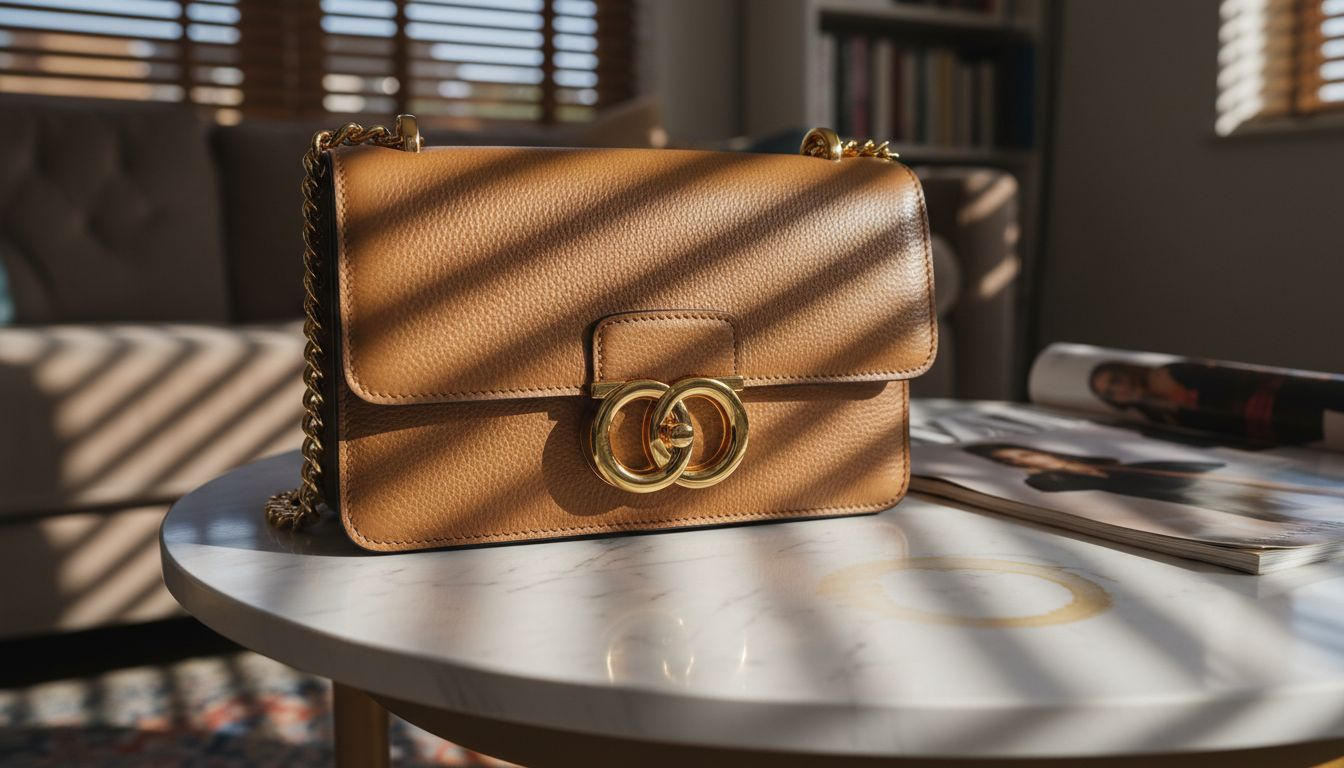
Pro tip: Always examine hardware details, stitching consistency, and interior construction when verifying a designer handbag’s authenticity.
Popular Types and Styles in 2026
The designer handbag landscape in 2026 reflects a sophisticated blend of nostalgia and innovation, with emerging fashion trends showcasing remarkable creativity and versatility. Contemporary designers are reimagining classic silhouettes while introducing bold new aesthetic directions.
Key handbag styles dominating the 2026 fashion scene include:
- Vintage-Inspired Classics: Reissued iconic designs with modern updates
- Textured Statement Bags: Suede and intricate surface treatments
- Versatile Size Options: Range from compact top-handle bags to spacious totes
- Bold Hardware Details: Pronounced chain straps and metallic accents
- Nostalgic Color Palette: Warm tones like tobacco brown and camel
Designer collections are emphasizing functional luxury, creating bags that seamlessly transition between professional and social environments. The most sought-after pieces combine practicality with artistic expression, reflecting a sophisticated approach to personal style.
Modern designer handbags are more than accessories - they’re wearable art that tells a personal narrative.
Influencer culture and collector markets continue to drive innovation, with designers carefully balancing heritage craftsmanship and contemporary design languages. Early 2000s silhouettes are experiencing a significant revival, reimagined through a modern lens that appeals to fashion-forward consumers.
Pro tip: Invest in versatile styles with timeless design elements that can adapt to multiple fashion contexts and personal wardrobes.
Long-Term Value: Investment, Durability, and Resale
Luxury designer handbags have evolved beyond mere fashion accessories to become sophisticated financial investment opportunities. Savvy collectors understand that certain designer pieces can appreciate in value, offering both aesthetic pleasure and potential economic returns.
Key factors determining a handbag’s long-term investment potential include:
- Brand Reputation: Established luxury brands with consistent quality
- Production Scarcity: Limited edition and rare designs
- Condition Preservation: Maintaining original packaging and minimal wear
- Iconic Design Elements: Timeless silhouettes that transcend seasonal trends
- Historical Collectibility: Pieces with unique provenance or design significance
Top designer brands like Hermès and Chanel have demonstrated remarkable value retention, with some vintage pieces selling for substantially more than their original purchase price. These investments require careful selection, focusing on pieces that combine exceptional craftsmanship with enduring aesthetic appeal.
A truly exceptional designer handbag is not just an accessory, but a tangible asset with potential financial appreciation.
Authenticity plays a critical role in maintaining investment value. Collectors and resale markets prioritize genuine pieces with impeccable documentation, original hardware, and minimal signs of wear. Professional authentication and careful maintenance can significantly enhance a handbag’s long-term market desirability.
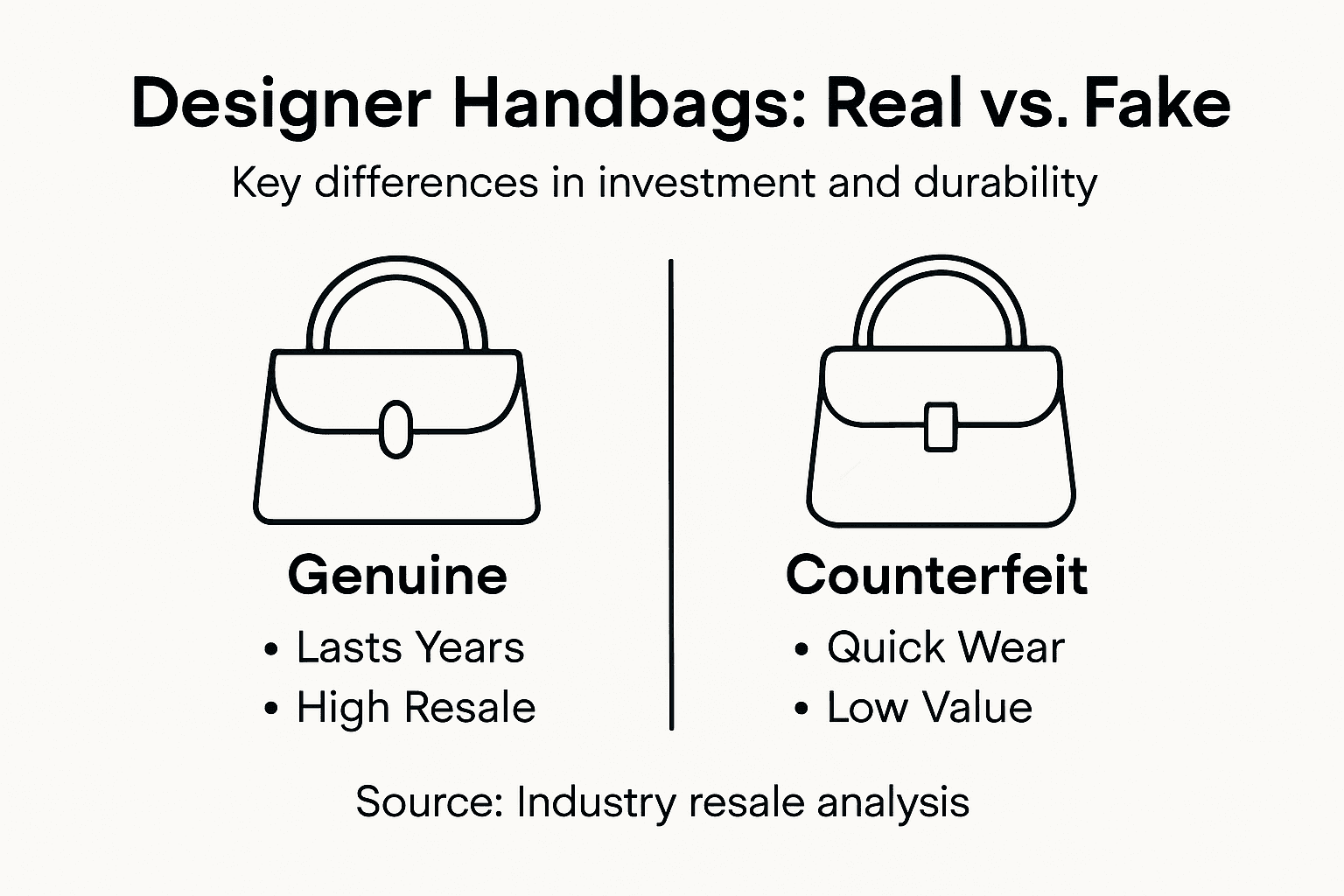
Here’s a quick overview of how genuine and counterfeit designer handbags impact buyers:
| Impact Area | Genuine Handbags | Counterfeit Handbags |
|---|---|---|
| Social Value | Prestigious, respected | Risk of social stigma |
| Financial Value | Potential investment | Zero resale value |
| Legal Security | Fully compliant | May lead to legal issues |
| Durability | Long-lasting materials | Prone to damage and wear |
Pro tip: Research historical pricing trends and focus on classic, well-maintained designs from renowned luxury brands to maximize potential investment returns.
This table highlights why designers and collectors prioritize certain features in luxury handbags:
| Factor | Why It Matters | Result for Owners |
|---|---|---|
| Scarcity | Increases exclusivity | Higher resale opportunities |
| Authentic Documentation | Proves genuine origin | Greater buyer confidence |
| Iconic Design Elements | Ensures lasting appeal | Sustained value over years |
| Condition Preservation | Maintains quality | Supports long-term demand |
Risks of Fakes: Social, Financial, and Legal Issues
Counterfeit designer handbags represent far more than simple fashion imitations, presenting complex legal and ethical challenges that extend well beyond initial purchasing decisions. Consumers face significant risks when engaging with counterfeit luxury goods.
Key risks associated with purchasing fake designer handbags include:
- Legal Consequences: Potential criminal charges and financial penalties
- Financial Loss: Inferior product quality and zero resale value
- Brand Reputation Damage: Social stigma and potential professional embarrassment
- Intellectual Property Violations: Direct support of illegal manufacturing networks
- Quality Compromise: Substandard materials and construction
Professional investigations reveal that counterfeit markets involve intricate criminal networks extending far beyond simple product replication. These organizations frequently engage in broader illegal activities, using luxury goods counterfeiting as a revenue stream for more extensive criminal operations.
Purchasing counterfeit designer handbags is not a victimless crime, but a complex ethical and legal violation with far-reaching consequences.
Authentic luxury brands invest substantial resources in protecting their intellectual property, working closely with international legal systems to combat counterfeiting. Consumers who purchase fake goods inadvertently support these illegal manufacturing processes, undermining the creative and economic ecosystem of genuine luxury design.
Pro tip: Always verify authenticity through official brand channels and purchase from authorized retailers to protect yourself from potential legal and financial risks.
How Genuine Pieces Elevate and Sustain Luxury Fashion
Luxury fashion is increasingly defined by its commitment to sustainable design principles, where genuine pieces represent far more than mere aesthetic objects. These meticulously crafted items embody a complex narrative of cultural significance, ethical production, and innovative design.
Key characteristics that elevate genuine luxury fashion pieces include:
- Ethical Manufacturing: Transparent production processes with fair labor practices
- Material Integrity: Premium, responsibly sourced materials
- Design Innovation: Continuous creative evolution respecting brand heritage
- Cultural Significance: Pieces that communicate deeper artistic and social narratives
- Environmental Consciousness: Commitment to reducing industry ecological footprint
Authentic luxury fashion transcends transient trends, creating enduring value through exceptional craftsmanship and philosophical commitment to quality. Designers invest substantial resources in developing pieces that represent intellectual and creative achievements beyond simple commercial products.
Genuine luxury pieces are living archives of design philosophy, cultural expression, and technological innovation.
The luxury fashion ecosystem depends on consumers who understand and appreciate the intricate processes behind authentic design. By supporting genuine pieces, individuals contribute to an economic and creative model that values creativity, sustainability, and long-term cultural significance.
Pro tip: Invest in pieces that tell a story, represent innovative design, and reflect your personal commitment to quality and sustainability.
Secure Your Style and Investment with Genuine Designer Handbags
Choosing authentic designer handbags is essential to ensure lasting value, exceptional craftsmanship, and legal peace of mind. If you want to avoid the risks of counterfeit products—such as poor durability, zero resale value, and potential legal issues—discover how genuine pieces provide both luxury and smart investment potential. Embrace the elegance of classic designs crafted with precision and backed by heritage, ensuring your purchase tells a personal story and stands the test of time.
Explore a curated selection of authentic designer handbags at DesignerLabelSale where you can find discounted luxury fashion that meets high standards of quality and authenticity. Take advantage of fast shipping and competitive pricing by shopping now to secure timeless styles before they are gone. Visit the handbags collection to elevate your wardrobe with genuine designer pieces that reflect your commitment to style and smart investment.
Frequently Asked Questions
What are the key features that distinguish genuine designer handbags from counterfeit ones?
Genuine designer handbags are characterized by high-quality craftsmanship, premium materials, brand-specific details, professional interior construction, and precise hardware. Recognizing these features can help you identify authentic products.
Why are genuine designer handbags considered a worthwhile investment?
Genuine designer handbags are often made by established luxury brands known for their quality and craftsmanship. Certain pieces can appreciate in value over time, making them not just stylish accessories, but also potential financial investments.
How can I maintain the condition of my designer handbag for long-term use?
To maintain the condition of your designer handbag, store it in its original dust bag, avoid exposure to extreme temperatures, clean it with appropriate materials, and handle it carefully to prevent wear and tear.
What social and ethical considerations should I be aware of when purchasing a designer handbag?
Purchasing genuine designer handbags supports ethical manufacturing practices and intellectual property rights, while buying counterfeit products can contribute to legal and ethical violations, including supporting criminal networks.