

Why Buy Designer Brands: Value, Style, and Impact
Spotting a designer brand in a crowded marketplace is not just about reading a label or noticing a logo. True designer labels stand apart with their blend of exceptional quality, creative vision, and cultural impact. For fashion-conscious shoppers searching for unique wardrobe upgrades, understanding what truly sets a designer brand apart can reveal why these coveted pieces become status symbols and reflect personal style. Discover the craftsmanship and identity-shaping power of authentic designer fashion.
Table of Contents
- What Makes A Brand ‘Designer’
- Top Reasons Shoppers Choose Designer Labels
- Quality, Craftsmanship, And Longevity Factors
- Investment Value And Resale Potential
- Designer Brands Vs. Fast Fashion Alternatives
Key Takeaways
| Point | Details |
|---|---|
| Designer Brands Emphasize Quality | They use premium materials and craftsmanship that set them apart from mass-market options. |
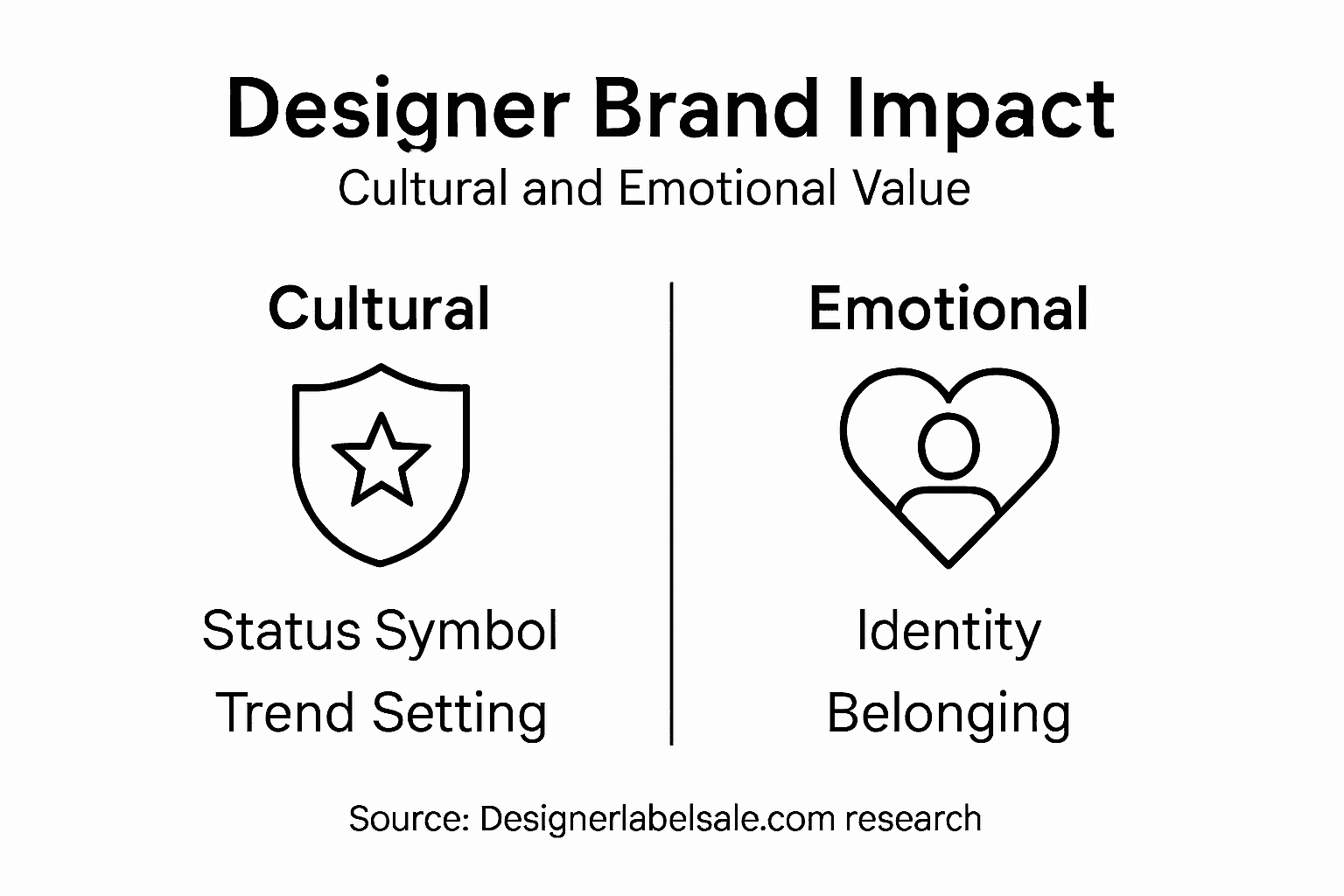
| Cultural Significance of Fashion | Designer labels reflect societal trends and personal identity, providing emotional value beyond aesthetics. |
| Investment Potential | Designer items can act as financial assets, appreciating in value due to limited production and verified authenticity. |
| Sustainability Focus | Unlike fast fashion, designer brands prioritize ethical production and durability, appealing to environmentally conscious consumers. |
What Makes a Brand ‘Designer’
A designer brand transcends ordinary clothing or accessories by embodying a unique combination of creativity, craftsmanship, and cultural significance. Unlike mass-market fashion, designer labels represent more than just fabric and design - they communicate a narrative of luxury fashion identity.
Designer brands distinguish themselves through several critical characteristics:
- Exceptional Quality: Utilizing premium materials and advanced manufacturing techniques
- Innovative Design: Creating distinctive aesthetic approaches that challenge conventional fashion norms
- Limited Production: Maintaining exclusivity through controlled manufacturing quantities
- Artistic Vision: Reflecting the unique creative perspective of lead designers and creative directors
These brands are not merely selling clothing or accessories, but curating experiences and status symbols. The design philosophy behind each piece involves intricate processes that transform raw materials into wearable art. From initial conceptualization to final production, every detail receives meticulous attention.
The cultural impact of designer labels extends far beyond aesthetic appeal. They serve as dynamic cultural artifacts that reflect societal trends, artistic movements, and individual expressions of personal style. Designers like Karl Lagerfeld or Alexander McQueen have historically transformed fashion from a functional necessity into a profound form of visual communication.
Pro tip: When evaluating a designer brand, look beyond the label and examine the construction, material quality, and unique design elements that truly set the piece apart from mass-market alternatives.
Top Reasons Shoppers Choose Designer Labels
Designer labels represent far more than simple clothing or accessories - they are powerful social identity signals that communicate complex psychological and social messages. Consumers are drawn to these brands not just for their aesthetic appeal, but for the deeper meanings they represent.
The primary motivations behind choosing designer labels include:
- Status Projection: Communicating social and economic positioning
- Self-Expression: Using fashion as a personal narrative and identity tool
- Quality Assurance: Expecting superior craftsmanship and materials
- Emotional Connection: Feeling part of an exclusive cultural experience
- Psychological Validation: Boosting personal confidence and self-perception
Psychological research reveals that designer brand selection goes beyond mere consumption. Consumer preferences are deeply rooted in complex identity construction mechanisms. Shoppers strategically choose brands that align with their perceived self-image, using clothing as a form of non-verbal communication about their personality, aspirations, and social affiliations.
Moreover, designer labels offer an intangible yet powerful emotional value. They provide consumers with a sense of belonging to an exclusive cultural narrative, transcending the functional aspects of clothing. The brand becomes a statement, a personal brand extension that communicates sophistication, taste, and individual style.
Pro tip: When selecting a designer label, focus on pieces that genuinely resonate with your personal style and make you feel authentically confident, rather than simply chasing trends or perceived status.
Quality, Craftsmanship, and Longevity Factors
Designer brands represent the pinnacle of sustainable fashion craftsmanship, where quality transcends mere aesthetic appeal and becomes a comprehensive approach to product development. These brands invest extensively in creating pieces that are not just beautiful, but durably constructed to withstand the test of time.
Key characteristics of superior designer craftsmanship include:
- Premium Material Selection: Using highest-grade fabrics and components
- Artisanal Manufacturing: Employing skilled handcrafting techniques
- Precision Engineering: Focusing on intricate design details
- Sustainable Production: Prioritizing environmentally conscious manufacturing processes
- Rigorous Quality Control: Implementing extensive product testing and validation
Luxury brands distinguish themselves through a profound commitment to heritage techniques and meticulous attention to detail. Unlike mass-market alternatives, designer labels view each garment as a potential heirloom, carefully constructing pieces that can be passed down through generations.
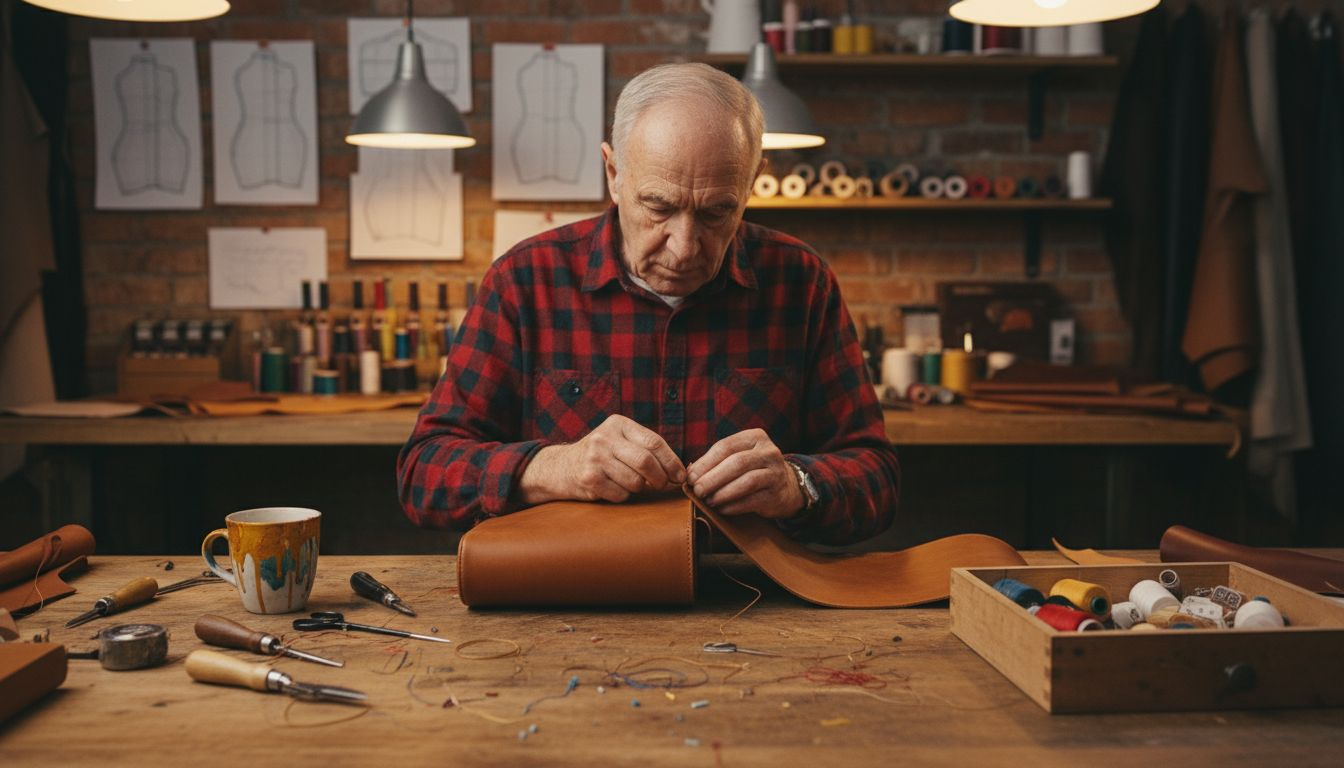
The longevity of designer products extends beyond physical durability. These pieces represent cultural artifacts that capture specific moments in design history, embodying artistic expressions that transcend seasonal trends. By investing in exceptional craftsmanship, designer brands create clothing and accessories that maintain aesthetic and functional relevance far beyond conventional fashion lifecycle expectations.
Pro tip: Examine the internal construction, stitching quality, and material composition when evaluating a designer piece to truly understand its potential longevity and value.
Investment Value and Resale Potential
Designer brands are increasingly becoming sophisticated financial assets, with secondhand markets transforming luxury consumption. These pieces represent more than aesthetic purchases - they are strategic investments that can potentially appreciate in value over time.
Key factors influencing designer goods’ investment potential include:
- Brand Heritage: Established reputation and historical significance
- Limited Production: Scarcity increases potential collector value
- Exceptional Craftsmanship: Superior construction maintains long-term appeal
- Iconic Design: Timeless pieces that transcend temporary fashion trends
- Authenticity Documentation: Verifiable provenance enhances resale prospects
Luxury brands are strategically integrating secondhand markets into their business models, recognizing consumer desires for sustainable and economically smart fashion choices. Certain designer items - particularly rare editions, vintage collections, and iconic pieces - can become significant financial assets that potentially outperform traditional investment vehicles.
The resale ecosystem now provides sophisticated digital tools that enhance transparency, allowing consumers to track an item’s authenticity, history, and potential value. Collectors and fashion enthusiasts can now approach designer purchases as calculated investments, understanding that well-selected pieces can maintain or even increase their monetary worth over time.
Summary of factors that can enhance the investment value of designer pieces:
| Investment Factor | How It Adds Value | Example Benefit |
|---|---|---|
| Heritage Collection | Builds historical significance | Increased collector demand |
| Limited Editions | Ensures rarity and scarcity | Potential price growth |
| Documented Authenticity | Verifies provenance and ownership | Easier resale, higher trust |
| Timeless Design | Maintains desirability over years | Sustained market value |
Pro tip: Research specific designer pieces with historically strong resale values, focusing on limited editions, classic designs, and items from renowned collections to maximize your investment potential.
Designer Brands vs. Fast Fashion Alternatives
The fashion landscape is fundamentally divided between two distinct approaches: designer brands and fast fashion, with critical differences in branding strategies that profoundly impact consumer experiences and industry sustainability.
Key distinguishing characteristics include:
-
Production Philosophy:
- Designer Brands: Emphasize craftsmanship and limited production
- Fast Fashion: Prioritize rapid, high-volume manufacturing
-
Price Point:
- Designer Brands: Premium pricing reflecting quality and exclusivity
- Fast Fashion: Low-cost, trend-driven pricing
-
Sustainability:
- Designer Brands: Focus on ethical production and durability
- Fast Fashion: Often associated with environmental challenges
-
Design Approach:
- Designer Brands: Innovative, timeless aesthetic
- Fast Fashion: Immediate trend replication
Sustainable fashion principles fundamentally separate designer brands from fast fashion alternatives. While fast fashion operates on a linear consumption model that rapidly produces trendy, disposable clothing, designer brands invest in circular economy principles, creating pieces with long-term value and minimal environmental impact.
Designer brands transcend mere clothing production, offering a holistic approach that considers cultural significance, artisan skills, and individual expression. Fast fashion, by contrast, represents a commodification of style - prioritizing speed and affordability over craftsmanship and personal meaning. This fundamental difference explains why discerning consumers increasingly choose quality over quantity.
Here’s a comparison highlighting how designer brands differ from fast fashion in ways that impact both the consumer and the industry:
| Aspect | Designer Brands | Fast Fashion | Impact on Consumer |
|---|---|---|---|
| Production Volume | Limited, controlled releases | High-volume, rapid turnover | Affects exclusivity |
| Environmental Approach | Prioritizes sustainability | Often disregards eco concerns | Influences buying values |
| Longevity | Built for lasting wear | Designed for short-term use | Affects resale and savings |
| Cultural Value | Embodies artistic heritage | Reflects current trends | Shapes social identity |
Pro tip: Evaluate clothing investments by considering longevity, versatility, and potential environmental impact rather than just immediate affordability.
Discover the True Value of Designer Brands at Exceptional Prices
The article highlights key challenges faced by discerning shoppers: finding authentic designer pieces that offer unmatched quality, timeless style, and lasting investment value without compromising on price or exclusivity. If you seek to express your unique identity through luxurious craftsmanship while enjoying a smart investment, it is essential to shop where authenticity meets affordability. Designerlabelsale.com is tailored for fashion-conscious consumers who want genuine designer brands with verified quality, limited editions, and the confidence of owning pieces that speak to cultural significance and personal style.
Experience the seamless blend of luxury and value:
- Access a curated selection of designer clothing, handbags, and accessories at discounted prices
- Enjoy fast international shipping and transparent pricing that respects your budget
- Shop confidently knowing each item reflects premium craftsmanship and lasting appeal
Elevate your wardrobe today by exploring authentic designer collections on Designerlabelsale.com. Don’t miss the opportunity to own iconic, high-quality pieces that truly enhance your style and serve as wise investments. Visit Designerlabelsale.com now to browse exclusive sales and new arrivals designed to meet your luxury fashion aspirations.
Frequently Asked Questions
What are the key characteristics of designer brands?
Designer brands are characterized by exceptional quality, innovative design, limited production, and a distinct artistic vision. They focus on using premium materials and craftsmanship that elevates the garment into a cultural artifact.
How do designer brands differ from fast fashion?
Designer brands emphasize craftsmanship and sustainability, producing limited quantities with a focus on durability and ethical production, while fast fashion prioritizes high-volume, low-cost manufacturing of trendy items that often lack longevity.
Why is quality important in designer clothing?
Quality in designer clothing ensures durability and aesthetic longevity. Premium materials and artisanal craftsmanship contribute to a garment’s ability to withstand wear over time, making designer pieces more valuable and sustainable.
What is the investment potential of designer brands?
Designer brands can serve as financial assets, with certain pieces appreciating in value over time due to factors like brand heritage, limited production, and iconic design. Researching pieces with historical resale success can maximize investment value.