

Role of Designer Labels: Shaping Luxury and Identity
Picking out a designer piece when you are watching your budget can feel like walking a fine line between style and spending. The appeal of luxury branding often lies in more than a name it tells a story of heritage, craftsmanship, and cultural meaning. As more designer labels become accessible due to globalization and changing consumer habits, this guide explains how understanding a brand’s identity helps you find authentic luxury at a price that truly fits.
Table of Contents
- Designer Labels Explained: Luxury Branding Concepts
- Types of Designer Labels in Fashion
- Cultural Impact and Status Symbolism
- How Designer Labels Influence Consumer Choices
- Financial Implications and Accessibility
Key Takeaways
| Point | Details |
|---|---|
| Luxury Branding | Designer labels convey narratives of identity and cultural significance, transcending basic product marketing. |
| Types of Labels | Fashion labels include luxury heritage brands, independent designers, and sustainable fashion houses, each with distinct philosophies and market positioning. |
| Cultural Significance | Designer labels serve as social symbols that reflect personal and societal aspirations, influencing consumer identity and status. |
| Economic Considerations | The accessibility of designer brands requires a balance between premium pricing and transparency, as modern consumers value sustainability and ethical practices. |
Designer Labels Explained: Luxury Branding Concepts
Designer labels represent far more than clothing or accessories they symbolize complex narratives of identity, status, and cultural expression. Luxury branding serves dual communication functions that extend beyond traditional product marketing by integrating individual aspirations with sophisticated brand storytelling.
Modern luxury brands have undergone significant transformations, evolving from exclusive markers of affluence to accessible symbols of personal style. Globalization and technological advancements have democratized designer labels, allowing broader consumer segments to engage with premium brands. This shift reflects changing consumer behaviors where luxury is no longer defined solely by price point, but by craftsmanship, cultural relevance, and personal meaning.
The strategic architecture of luxury branding involves intricate management of brand perception. Successful designer labels carefully balance heritage with innovation, creating experiences that transcend mere product transactions. They meticulously craft narratives that resonate with consumer identities, blending traditional craftsmanship with contemporary design sensibilities. Luxury brands integrate innovation with cultural authenticity, positioning themselves as dynamic cultural interpreters rather than static product manufacturers.
Pro Tip: When exploring designer labels, focus on understanding the brand’s unique story and design philosophy rather than just its price tag or immediate visual appeal.
Types of Designer Labels in Fashion
Fashion labels represent a complex ecosystem of design philosophies, strategic positioning, and creative expression. Fashion labels demonstrate remarkable diversity across multiple dimensions, including sustainability focus, design orientation, and market positioning, reflecting the intricate nature of contemporary fashion branding.
Within the fashion landscape, designer labels can be broadly categorized into several distinct typologies. These include luxury heritage brands, contemporary independent designers, sustainable fashion houses, streetwear labels, and emerging avant-garde creators. Each category brings unique characteristics: luxury brands emphasize historical craftsmanship and exclusivity, while independent designers often prioritize innovative design and personal storytelling. Sustainable fashion labels distinguish themselves through environmental consciousness and ethical production practices, challenging traditional industry paradigms.
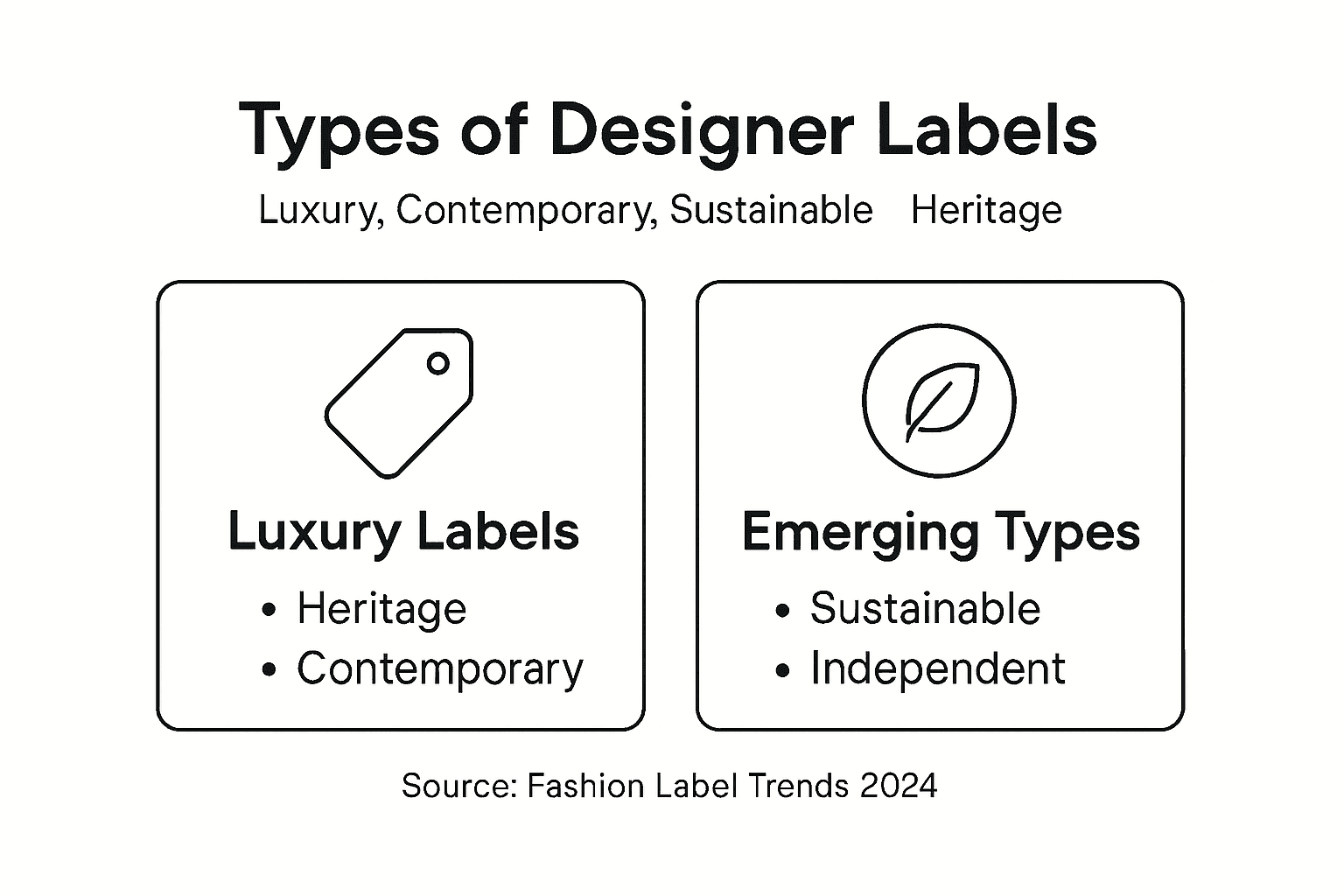
Design labels reveal complex interdisciplinary approaches that extend beyond simple product creation. They represent intricate systems of cultural communication, embodying social values, aesthetic principles, and consumer aspirations. Some labels focus on collaborative design models, integrating consumer feedback and co-creation strategies, while others maintain more traditional top-down design methodologies. This diversity reflects the evolving relationship between designers, brands, and consumers in a globally interconnected fashion ecosystem.
Pro Tip: When exploring different designer labels, analyze their unique design philosophy and visual language rather than focusing solely on trend or price point.
Here’s a comparison of key designer label types and what sets them apart:
| Label Type | Key Characteristics | Typical Consumer Focus |
|---|---|---|
| Luxury Heritage Brand | Tradition, craftsmanship | Exclusivity, prestige |
| Independent Designer | Innovation, personal identity | Originality, unique expression |
| Sustainable Fashion House | Eco-friendly, ethical making | Social responsibility, values |
| Streetwear Label | Urban, youth-driven style | Trendiness, cultural statement |
| Avant-Garde Creator | Experimental, unconventional | Artistic intent, niche appeal |
Cultural Impact and Status Symbolism
Designer labels transcend mere clothing, emerging as powerful social instruments that communicate complex narratives of identity and aspiration. High-end designer brands serve as social symbols deeply influenced by cultural context, representing intricate interactions between consumer perceptions and brand representations.
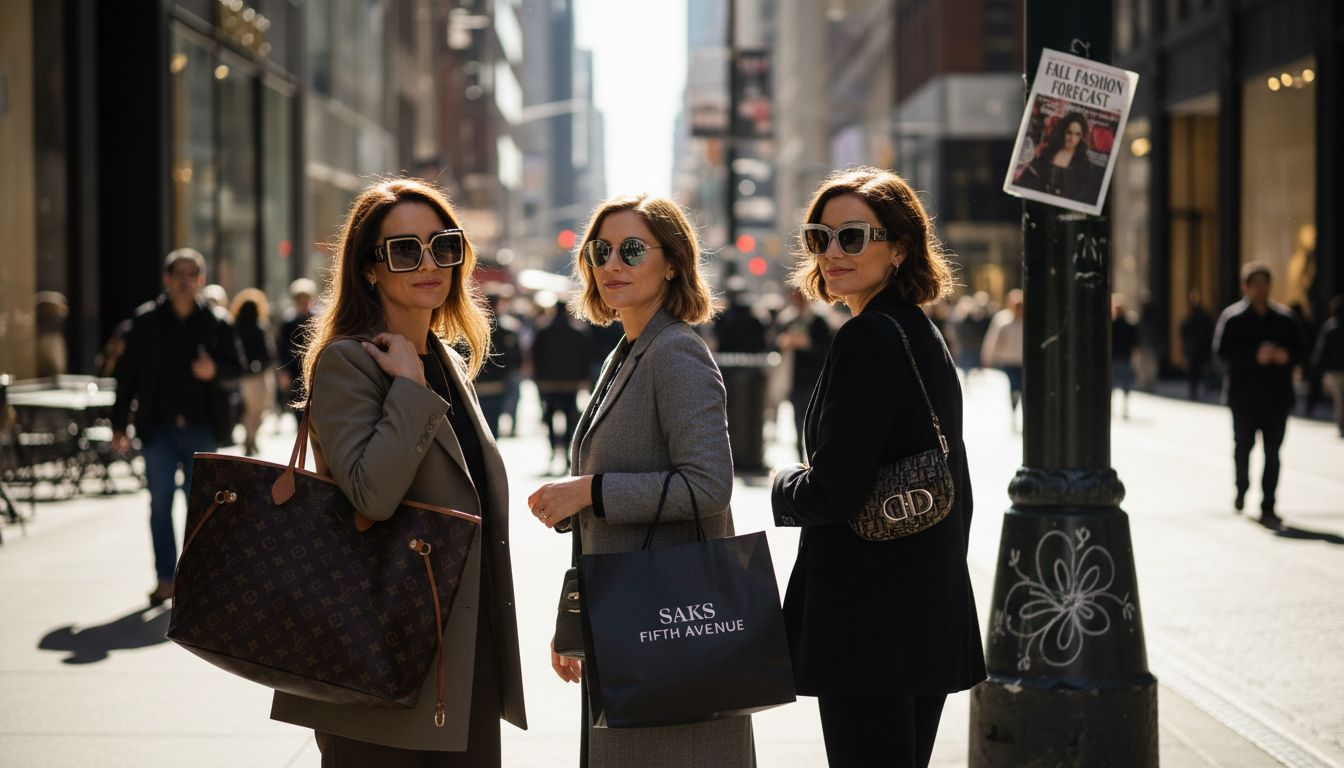
The psychological dimensions of branded clothing reveal profound mechanisms of social signaling and self-expression. Designer labels function as sophisticated identity markers that communicate nuanced messages about personal status, group affiliations, and individual aspirations. Consumers strategically select designer pieces not just for aesthetic appeal, but as deliberate statements about their social positioning, professional achievements, and cultural sophistication.
Beyond individual expression, designer labels operate as dynamic cultural artifacts that reflect and shape societal dynamics. They embody complex negotiations between personal identity, economic status, and social mobility. Different cultural contexts interpret luxury branding uniquely some societies emphasize heritage and craftsmanship, while others prioritize contemporary design and innovation. These variations demonstrate how designer labels are not universal constants but fluid cultural constructs that continuously evolve with changing social landscapes.
Pro Tip: Understand that wearing designer labels is less about the price tag and more about the narrative and cultural significance you choose to communicate.
How Designer Labels Influence Consumer Choices
Consumer decision-making processes are profoundly shaped by brand labels, which extend far beyond simple product identification. Brand labels directly influence consumer choice mechanisms through complex psychological pathways that moderate attention allocation, decision caution, and preference formation.
The strategic architecture of brand influence operates on multiple cognitive levels. Consumers do not merely select products they select narratives, experiences, and social signifiers. Preferred brands create psychological shortcuts that increase choice likelihood, transforming purchasing decisions from rational evaluations to emotional connections. This phenomenon is particularly pronounced in fashion, where brand perception can dramatically alter product attractiveness and perceived value.
Ethical labelling strategies significantly impact consumer behavior by providing nuanced information that resonates with individual values and social consciousness. The presentation of brand information whether emphasizing sustainability, craftsmanship, or social responsibility can fundamentally reshape consumer preferences. Brands that successfully communicate their unique value proposition beyond aesthetic appeal create deeper, more meaningful connections with their target audiences.
Pro Tip: When evaluating designer labels, look beyond surface aesthetics and consider the brand’s underlying story, ethical practices, and alignment with your personal values.
To better understand designer label influence, here is a summary of their main consumer impacts:
| Influence Type | Description | Resulting Behavior |
|---|---|---|
| Social Signaling | Expresses status and belonging | Select labels for group association |
| Identity Expression | Aligns clothing with self-image | Buy brands matching personal story |
| Ethical Consumption | Reflects concern for sustainability/ethics | Choose labels with shared values |
| Emotional Connection | Fosters attachment to brand narrative | Brand loyalty, repeat purchase |
Financial Implications and Accessibility
Designer labels occupy a complex economic landscape where pricing strategies intersect with consumer perceptions of value and accessibility. Ethical labeling profoundly influences purchase intentions across different consumer segments, revealing nuanced economic dynamics that extend beyond simple price points.
The financial accessibility of designer brands creates a stratified marketplace where consumers navigate complex value propositions. Luxury labels must strategically balance premium pricing with inclusive messaging, recognizing that contemporary consumers demand transparency and meaningful brand narratives. E-commerce platforms reshape designer label economics by creating new channels for brand interaction, allowing consumers to engage with high-end fashion through more flexible purchasing models and diverse price tiers.
Modern consumers increasingly evaluate designer labels through multifaceted economic lenses that consider sustainability, ethical production, and long-term value. This shift challenges traditional luxury market paradigms, compelling brands to demonstrate financial justification beyond aesthetic appeal. Successful designer labels now communicate economic value through quality, durability, and alignment with consumer values, transforming luxury from an exclusive commodity to a more nuanced economic experience.
Pro Tip: Evaluate designer labels by calculating cost-per-wear and considering long-term quality, not just initial price tag.
Discover Authentic Designer Labels That Speak Your Identity
The article highlights how designer labels do much more than decorate your wardrobe. They communicate complex stories about your identity, values, and status while offering emotional connections beyond price tags. Yet finding genuine luxury brands that align with your personal narrative and budget can be challenging. You want authentic designer labels that reflect craftsmanship, cultural significance, and ethical values without compromising accessibility or quality.
At DesignerLabelSale, we understand that luxury is about more than just a price tag. We bring you carefully curated collections of original designer clothing, handbags, and accessories that allow you to express your unique style and story confidently. Whether you seek iconic heritage pieces or contemporary creations infused with innovation and sustainability, our platform offers exclusive discounts and fast shipping to elevate your luxury experience.
Take advantage now and explore our premium selections that make high-end fashion attainable.
Shop confidently at DesignerLabelSale, where authentic luxury and personal expression unite. Visit the women’s collection or browse through our handbags and accessories to find your next signature piece that resonates with your identity.
Frequently Asked Questions
What are designer labels and why are they significant?
Designer labels are brands that signify luxury and sophistication in fashion. They represent narratives of identity, cultural expression, and social status, evolving from exclusive products to symbols of personal style.
How do designer labels influence consumer identity?
Designer labels function as identity markers by allowing consumers to express their social status, group affiliations, and personal aspirations through their clothing choices. The labels selected can communicate nuanced messages about individual identity and values.
What types of designer labels exist in the fashion industry?
There are several types of designer labels, including luxury heritage brands, contemporary independent designers, sustainable fashion houses, streetwear labels, and avant-garde creators. Each type has distinct characteristics, such as a focus on innovation, craftsmanship, or ethical production practices.
How does the pricing of designer labels influence consumer behavior?
The pricing of designer labels creates a complex economic landscape that impacts consumer perceptions of value. Contemporary consumers evaluate brands not only on price but also on sustainability, ethical practices, and long-term value, leading to a shift in purchasing behavior toward more meaningful brand narratives.