

Luxury shopping tips: expert guide to smart high-end buys
The luxury market in 2026 is more exciting and more treacherous than ever before. Counterfeits represent 8% of global luxury sales, and today’s superfakes can be crafted using authentic materials that fool even seasoned collectors. At the same time, shoppers are demanding more from brands: real sustainability, genuine personalization, and transparent sourcing. Navigating all of this requires more than a sharp eye. It takes a layered strategy, the right tools, and a clear framework for making decisions you won’t regret.
Table of Contents
- Master the art of authenticity: Defense against superfakes
- Demand sustainability and ethical sourcing: Know your brand’s story
- Prioritize personalization and experiential shopping: The new high-end standard
- Compare and decide: Fast checklist for smart luxury shopping
- Elevate your luxury shopping with curated exclusives
- Frequently asked questions
Key Takeaways
| Point | Details |
|---|---|
| Authenticate every purchase | Rely on multiple checks and use expert services to spot superfakes. |
| Demand ethical transparency | Select brands with clear sustainability certifications and supply chain documentation. |
| Prioritize personalization | Opt for brands offering immersive, custom luxury shopping experiences. |
| Use comparison tools | Leverage quick-reference checklists to make smarter high-end purchases. |
Master the art of authenticity: Defense against superfakes
Superfakes have evolved far beyond the obvious knockoffs of the past. Today’s counterfeits mimic micro-stitching patterns, replicate hardware weight, and even copy the subtle texture of exotic leathers. A single check is no longer enough. You need a layered approach.
The gold standard is what experts call “defense in depth,” meaning you stack multiple verification methods rather than relying on one. Superfakes pass single tests, which is why combining serial number checks, hardware weight tests, stitching inspection, and material feel is essential. For high-value purchases, professional authentication services like Entrupy use AI-driven imaging to catch fakes that human eyes miss. Verify authenticity using multiple checks including serial numbers, hardware weight, stitching quality, and material composition before committing to any purchase.
Here is a quick comparison of authentication methods:
| Method | Best for | Reliability |
|---|---|---|
| Serial number check | Entry-level verification | Moderate |
| Hardware weight test | Bags and accessories | Moderate to high |
| Micro-stitching inspection | Handbags, shoes | High |
| AI imaging (Entrupy) | High-value items | Very high |
| Digital product passport | All categories | Very high |
When identifying genuine luxury brands, always request documentation. Reputable sellers provide certificates of authenticity, and increasingly, digital product passports that log an item’s full history on a blockchain ledger.
Key steps for every luxury purchase:
- Inspect all hardware for weight, finish, and engraving sharpness
- Check stitching count per inch and thread color consistency
- Verify date codes and serial numbers against brand databases
- Use a professional service for items over $500
- Request a digital product passport when available
For a deeper look at spotting authentic designer labels across categories, cross-referencing multiple sources is always the smartest move. If you are shopping for handbags specifically, our authentic designer bags guide walks through brand-specific tells that even experienced buyers overlook.
Pro Tip: Never skip the smell test. Genuine leather has a distinct, rich scent. Synthetic materials used in fakes often carry a faint chemical or plastic odor, especially when the bag is new.
Understanding genuine designer goods explained in full detail gives you a baseline that makes spotting irregularities much faster in real shopping situations.
Demand sustainability and ethical sourcing: Know your brand’s story
Authenticity is only one part of the equation. In 2026, a truly smart luxury purchase also means knowing where your item came from and how it was made. Brands that cannot answer these questions clearly are worth questioning.
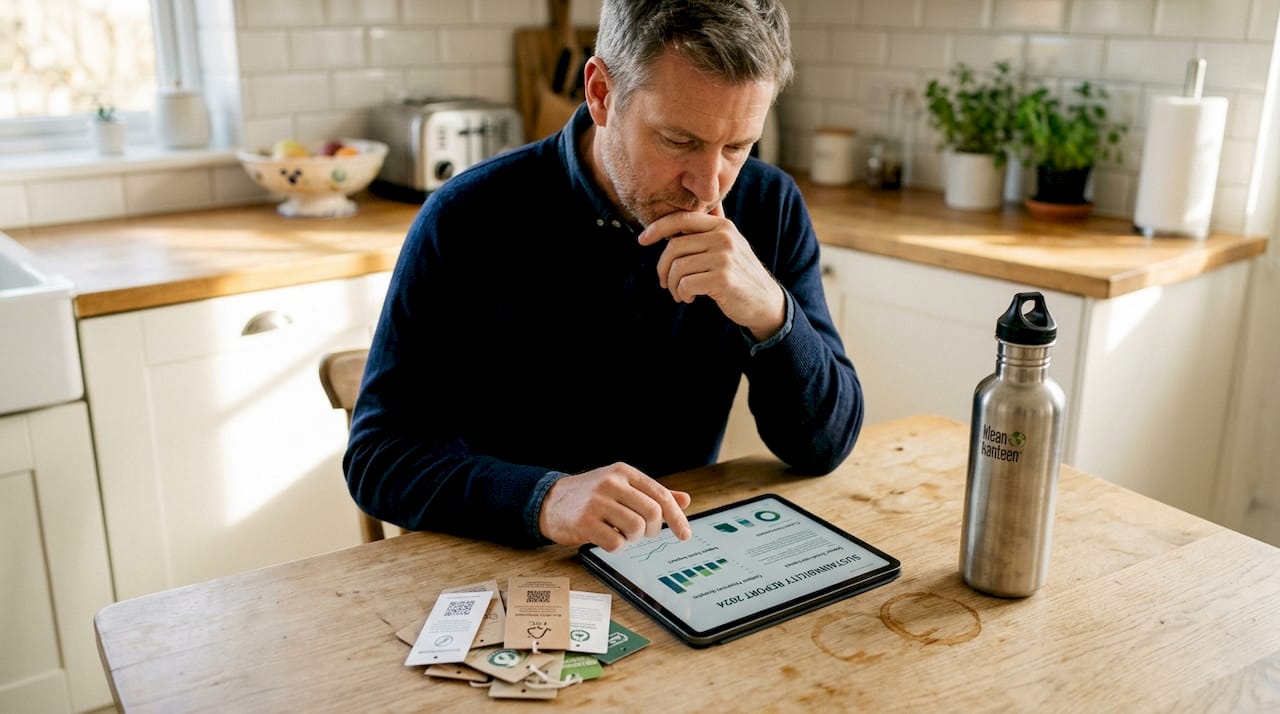
The most credible brands now offer supply chain maps, real-time sustainability reports, and third-party certifications. Check supply chain maps, certifications like B Corp and GOTS, and digital passports to verify a brand’s ethical commitments. Hermès, for example, has achieved 100% traceability for its exotic leather sourcing, setting a benchmark others are working toward.
Here is how major certification types compare:
| Certification | What it covers | Strength |
|---|---|---|
| B Corp | Overall business ethics | Very strong |
| GOTS | Organic textile standards | Strong |
| Leather Working Group | Leather tannery practices | Strong |
| Digital product passport | Full item lifecycle | Emerging standard |
Blockchain-based digital product passports are quickly becoming the most reliable proof of both origin and ethical sourcing. They create an immutable record that travels with the item, making greenwashing (false sustainability claims) far harder to pull off.
What to look for when evaluating a brand’s ethics:
- Published supply chain maps with named suppliers
- Third-party audits from recognized certification bodies
- Clear material traceability from raw source to finished product
- Transparent carbon footprint reporting
- Digital product passports for individual items
For a full breakdown of ethical luxury fashion sourcing practices, including which brands lead and which lag, it pays to do your research before spending. Our guide to sustainable luxury fashion covers the key concepts in plain language.
Pro Tip: Before buying, search the brand name alongside “sustainability report 2025” or “supply chain transparency.” Brands that publish detailed, third-party verified reports are far more trustworthy than those offering only vague commitments on their website.
If you want to know which houses are genuinely leading the charge, our roundup of top sustainable luxury brands is a great starting point.
Prioritize personalization and experiential shopping: The new high-end standard
Luxury has always been about more than the object itself. It is about how the purchase makes you feel, the story behind it, and the relationship you build with a brand over time. In 2026, this dimension has become central to what defines a truly premium experience.
Gen Z and Millennials now make up 45% of the luxury market, and over 50% of Gen Z shoppers buy from brands they feel a genuine connection with. These buyers are not just purchasing products. They are investing in relationships, values, and experiences that reflect who they are.
Brands are responding with AI-driven personalization engines that build detailed preference profiles, enabling one-to-one recommendations that feel genuinely tailored. Virtual appointments, bespoke customization options, and exclusive early access programs are now expected features, not rare perks. Hyper-personalization and experiential shopping are the defining trends shaping how Gen Z and Millennials engage with luxury brands today.
“The best luxury purchase is one that feels like it was made specifically for you, because increasingly, it was.”
What to seek out in a personalized luxury experience:
- Virtual styling appointments with brand specialists
- Monogramming, custom color options, or made-to-order services
- Loyalty programs that offer early access to new collections
- AI-powered recommendation tools based on your purchase history
- Exclusive in-store or online events for loyal customers
Knowing how to maximize authentic luxury discounts while still accessing personalized service is a skill worth developing. And if you want a practical framework for securing designer deals online without sacrificing the premium experience, the strategies are more accessible than most shoppers realize.
Compare and decide: Fast checklist for smart luxury shopping
With authenticity, sustainability, and personalization all in play, it helps to have a single reference point before you buy. Here is how to pull it all together quickly.
Luxury sales reached $1.5 trillion in 2025, driven by consumers who increasingly demand experience, transparency, and proof of value. That scale means more options, more competition, and more risk. A structured checklist keeps you focused.
Your smart luxury shopping checklist:
- Verify authenticity using at least three independent checks before purchasing
- Confirm the seller provides documentation, certificates, or a digital product passport
- Research the brand’s sustainability certifications and supply chain transparency
- Check for third-party audits or recognized ethical certifications like B Corp or GOTS
- Evaluate the personalization options available and whether the brand values your loyalty
- Compare pricing across authorized retailers to spot deals that seem too good to be true
- Read recent buyer reviews specifically mentioning authenticity and customer service
Here is a side-by-side summary of what to prioritize at each stage:
| Shopping stage | Key action | Red flag to watch for |
|---|---|---|
| Research | Check certifications and reviews | No third-party verification |
| Authentication | Use multi-method checks | Seller refuses documentation |
| Sustainability | Request supply chain info | Vague or unverifiable claims |
| Personalization | Ask about customization options | One-size-fits-all approach |
| Purchase | Confirm return and authenticity policy | No clear return policy |
Being proactive at every stage pays off. Shoppers who apply this framework consistently report higher satisfaction, fewer regrets, and better long-term value from their luxury investments.
Elevate your luxury shopping with curated exclusives
You now have the tools to shop smarter, verify confidently, and choose brands that align with your values. The next step is finding a trusted source that does much of the hard work for you.
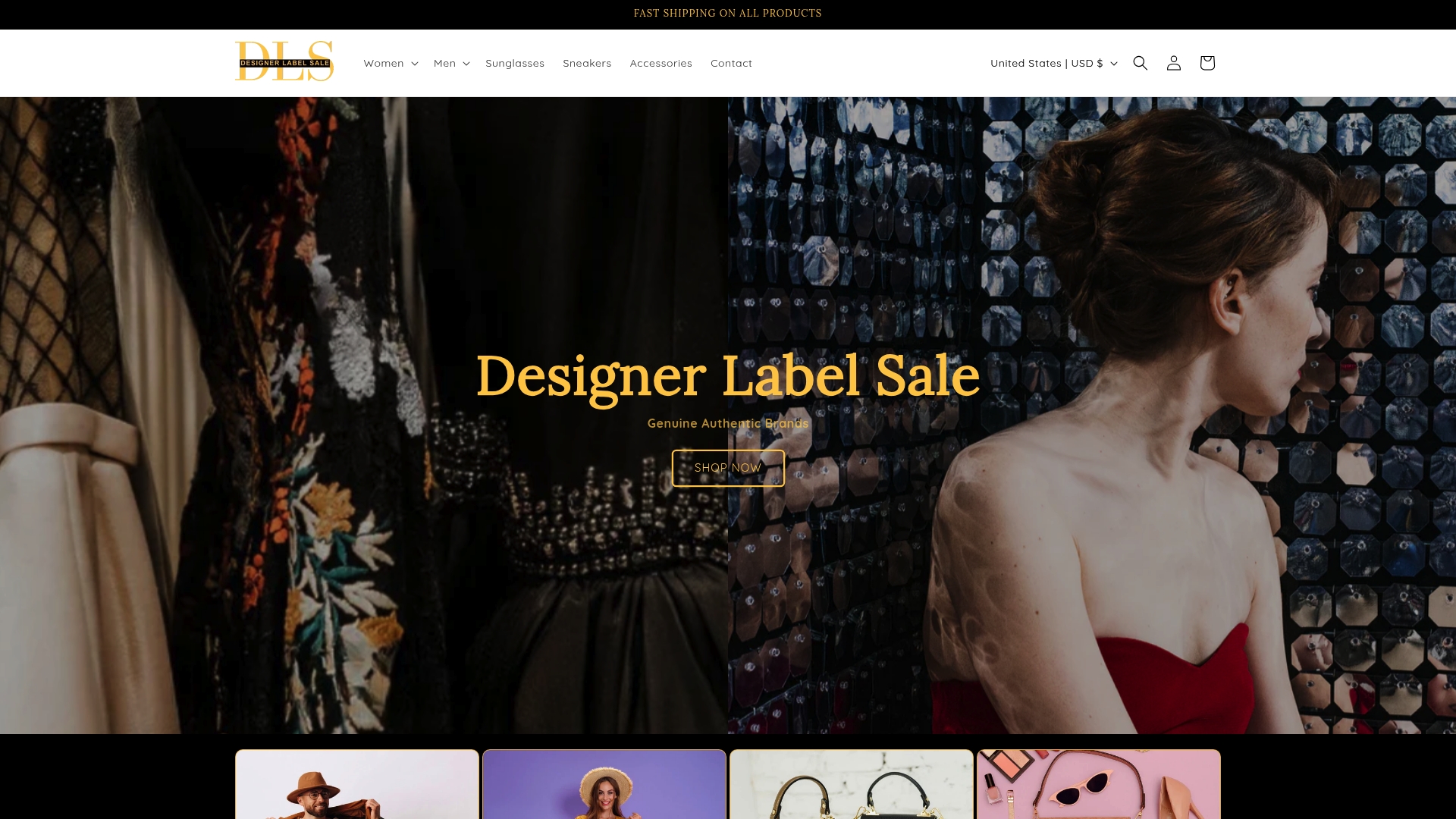
At Designer Label Sale, every item in our catalog is expertly authenticated, so you never have to second-guess what you are buying. We specialize in genuine designer pieces at reduced prices, from statement footwear like these elegant gray leather ankle boots to refined classics like these elegant black bordeaux dress shoes. Our curated collections are updated regularly, giving you access to high-end fashion that meets the standards you have just read about. Shop with confidence and discover more luxury deals across all categories today.
Frequently asked questions
How can I tell if a luxury item is a superfake in 2026?
Use multiple checks including serial numbers, hardware weight, and stitching quality, and consider professional authentication services for high-value items. Superfakes increasingly use authentic materials, making single-method verification unreliable.
What sustainability certifications should I look for when luxury shopping?
Prioritize brands with B Corp or GOTS certifications, published supply chain maps, and digital product passports. Supply chain maps and digital passports offer the most verifiable proof of ethical sourcing.
Are personalized shopping experiences really worth it for luxury?
Absolutely. Personalized experiences increase satisfaction and build long-term brand loyalty, especially among younger shoppers. Gen Z and Millennials highly value brands that offer tailored, relationship-driven interactions.
What is a digital product passport and why does it matter?
A digital product passport is a blockchain-based document that records an item’s origin, materials, and ethical sourcing history. Digital passports and blockchain verification make it significantly harder for counterfeiters and greenwashers to deceive buyers.
Recommended
- Luxury Shopping Guide: Secure Designer Deals Online Easily – Designerlabelsale
- Luxury shopping checklist for affordable designer deals – Designerlabelsale
- Guide to Shopping Luxury Brands on a Budget Easily – Designerlabelsale
- Luxury fashion shopping tips: maximize authentic discounts – Designerlabelsale