

What is ethical sourcing in luxury fashion: 2026 guide
Luxury fashion commands premium prices partly because consumers assume exclusivity equals ethics. Yet investigations reveal that even prestigious brands sometimes rely on exploited workers in Bangladesh and China, contradicting their polished image. Ethical sourcing in luxury fashion means verifying that every step from raw materials to finished garment respects workers, communities, and the environment. This guide clarifies what ethical sourcing truly involves, which certifications matter, the challenges luxury brands face, and how you can identify genuinely ethical luxury pieces. You’ll gain practical knowledge to align your fashion choices with your values without sacrificing style.
Table of Contents
- Understanding Ethical Sourcing In Luxury Fashion
- Challenges Luxury Fashion Faces In Ethical Sourcing
- Certifications And Standards That Support Ethical Sourcing
- How Luxury Brands Are Transforming Supply Chains For Ethical Sourcing
- Explore Ethical Luxury Fashion With Designerlabelsale
Key takeaways
| Point | Details |
|---|---|
| Ethical sourcing definition | Transparent, fair labor practices and sustainable materials throughout luxury fashion supply chains |
| Key certifications | Fairtrade and ISO 14001 verify social responsibility and environmental management in production |
| Industry challenges | Labor exploitation, overproduction, and weak governance undermine ethical claims in luxury fashion |
| Transformation strategies | Leading brands redesign supply chains, use recycled materials, and publish detailed sustainability reports |
| Consumer empowerment | Understanding sourcing standards helps you choose brands that genuinely prioritize ethical practices |
Understanding ethical sourcing in luxury fashion
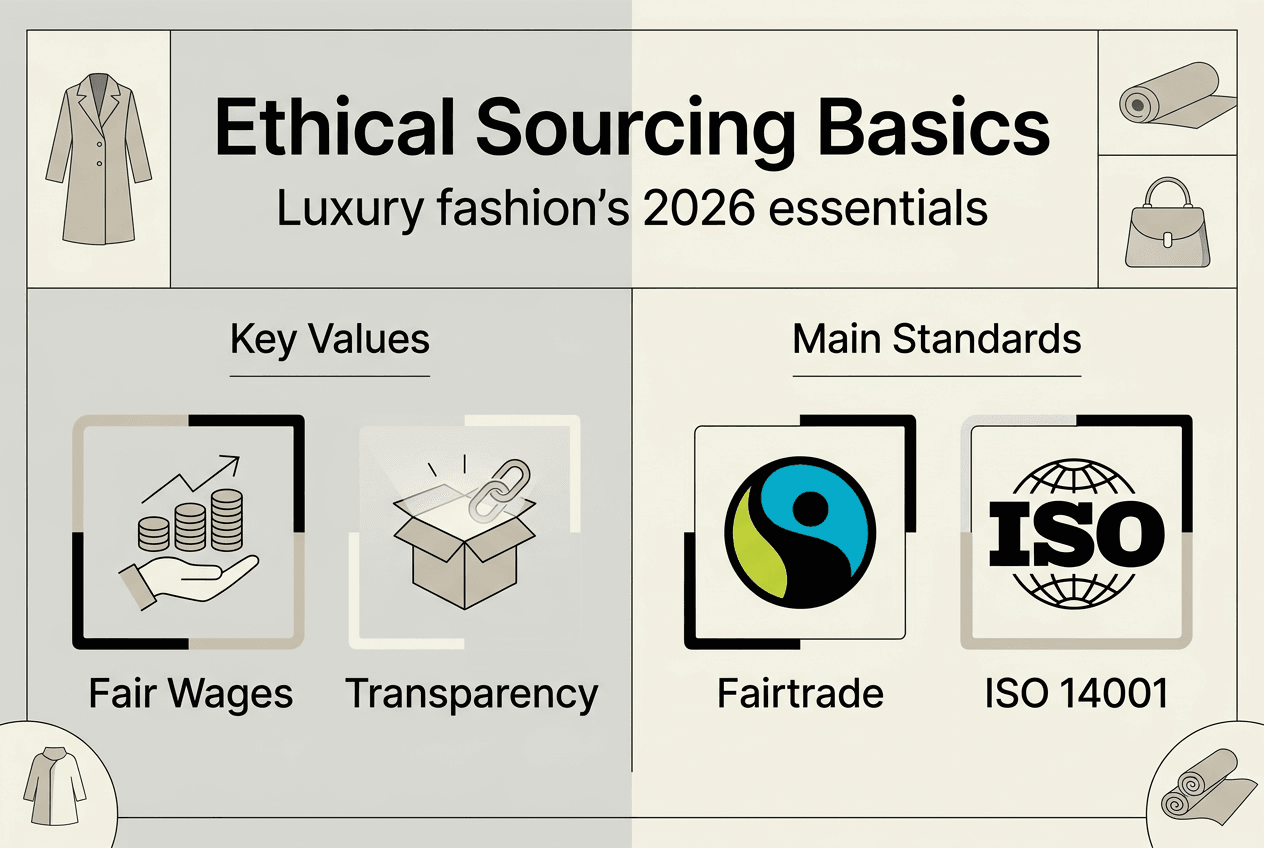
Ethical sourcing extends far beyond selecting quality fabrics. It encompasses ensuring fair wages and safe conditions for every person touching your garment, minimizing environmental harm during production, and maintaining transparent supply chains so you know exactly where materials originate. Fairtrade certification ensures compliance with standards covering social, economic, and environmental practices, making it a reliable benchmark when evaluating luxury brands.
Transparency separates genuinely ethical brands from those making empty claims. When a brand openly shares factory locations, material sources, and labor audits, you can verify their commitment. Conversely, vague sustainability statements without supporting evidence signal potential greenwashing. Luxury fashion’s ethical dimension must address social responsibility alongside aesthetic excellence, recognizing that craftsmanship loses meaning when built on exploitation.
Authenticity plays a crucial role here. Counterfeit luxury goods bypass ethical standards entirely, often produced in unregulated facilities with exploited labor. Learning how to spot genuine luxury brands protects you from unknowingly supporting unethical practices while ensuring your investment supports legitimate businesses committed to higher standards.
Key components of ethical sourcing include:
- Fair compensation and safe working environments for all supply chain workers
- Sustainable material selection prioritizing recycled, organic, or responsibly harvested resources
- Transparent documentation of sourcing origins and production processes
- Third party certifications verifying compliance with recognized ethical standards
- Long term relationships with suppliers fostering accountability and continuous improvement
When shopping for luxury fashion, apply luxury fashion shopping tips that prioritize authenticity and ethics. Verify certifications through official registries rather than accepting brand claims at face value. Research whether brands publish annual sustainability reports detailing measurable progress. Ethical sourcing represents an ongoing commitment, not a marketing checkbox, so look for evidence of continuous improvement rather than perfection.
Pro Tip: Cross reference brand sustainability claims with independent watchdog organizations and industry reports to identify genuine leaders versus those merely performing ethical theater.
Challenges luxury fashion faces in ethical sourcing
Despite premium pricing that theoretically allows ethical investments, labor exploitation remains significant in luxury fashion, with brands utilizing low paid workers in India, China, and Bangladesh. The disconnect between luxury retail prices and factory worker wages reveals a troubling reality where profit margins don’t translate to fair compensation throughout supply chains. Complex multi tier supplier networks make oversight difficult, allowing unethical practices to hide behind intermediaries.
Overproduction creates another ethical paradox. Luxury brands produce excess inventory to maintain exclusivity perception and meet unpredictable demand, yet this surplus often ends up incinerated or landfilled rather than donated, wasting resources and labor. While individual luxury products typically last longer than fast fashion equivalents, potentially offsetting environmental impact per item, the industry’s overall production volume still generates substantial waste.
The tension between maintaining brand mystique through scarcity and implementing transparent, accountable supply chains creates inherent conflicts that luxury houses struggle to resolve without compromising their market positioning.
Governance structures frequently lag behind sustainability commitments. Brands announce ambitious environmental targets yet lack enforcement mechanisms ensuring suppliers comply. Without binding contracts, regular audits, and consequences for violations, ethical policies remain aspirational rather than operational. Corporate social responsibility initiatives sometimes function as public relations exercises rather than fundamental business transformations.
Balancing exclusivity with ethics presents unique challenges. Luxury brands cultivate desirability through limited availability and premium positioning, yet ethical sourcing benefits from economies of scale, long term supplier partnerships, and transparent practices that can seem at odds with luxury mystique. This contradiction forces brands to innovate new models preserving prestige while embracing accountability.
Critical obstacles include:
- Opaque multi tier supply chains obscuring labor conditions at raw material and component levels
- Seasonal production cycles creating pressure for rapid turnarounds that compromise worker welfare
- Lack of industry wide standardization allowing brands to define ethics inconsistently
- Limited consumer awareness enabling brands to avoid accountability for hidden practices
- Resistance to transparency that might reveal uncomfortable truths about sourcing realities
You must approach luxury ethical claims critically rather than assuming price equals virtue. Investigate beyond marketing language to understand actual practices. The sustainable luxury fashion explained resource helps you distinguish substantive commitments from superficial gestures, empowering more informed purchasing decisions.
Certifications and standards that support ethical sourcing
Fairtrade certification focuses on social and economic fairness, ensuring producers receive fair prices, workers earn living wages, and communities benefit from premium funds supporting development projects. For luxury fashion, Fairtrade applies primarily to cotton, leather, and other raw materials, verifying that sourcing respects human rights and environmental standards from the very beginning of supply chains. Brands displaying Fairtrade marks demonstrate measurable commitment beyond self reported claims.
ISO 14001 provides internationally recognized standards for Environmental Management Systems, guiding companies in systematically reducing environmental impacts through structured processes, regular audits, and continuous improvement. Luxury brands achieving ISO 14001 certification establish frameworks managing waste, emissions, resource consumption, and pollution across operations, offering concrete evidence of environmental responsibility.
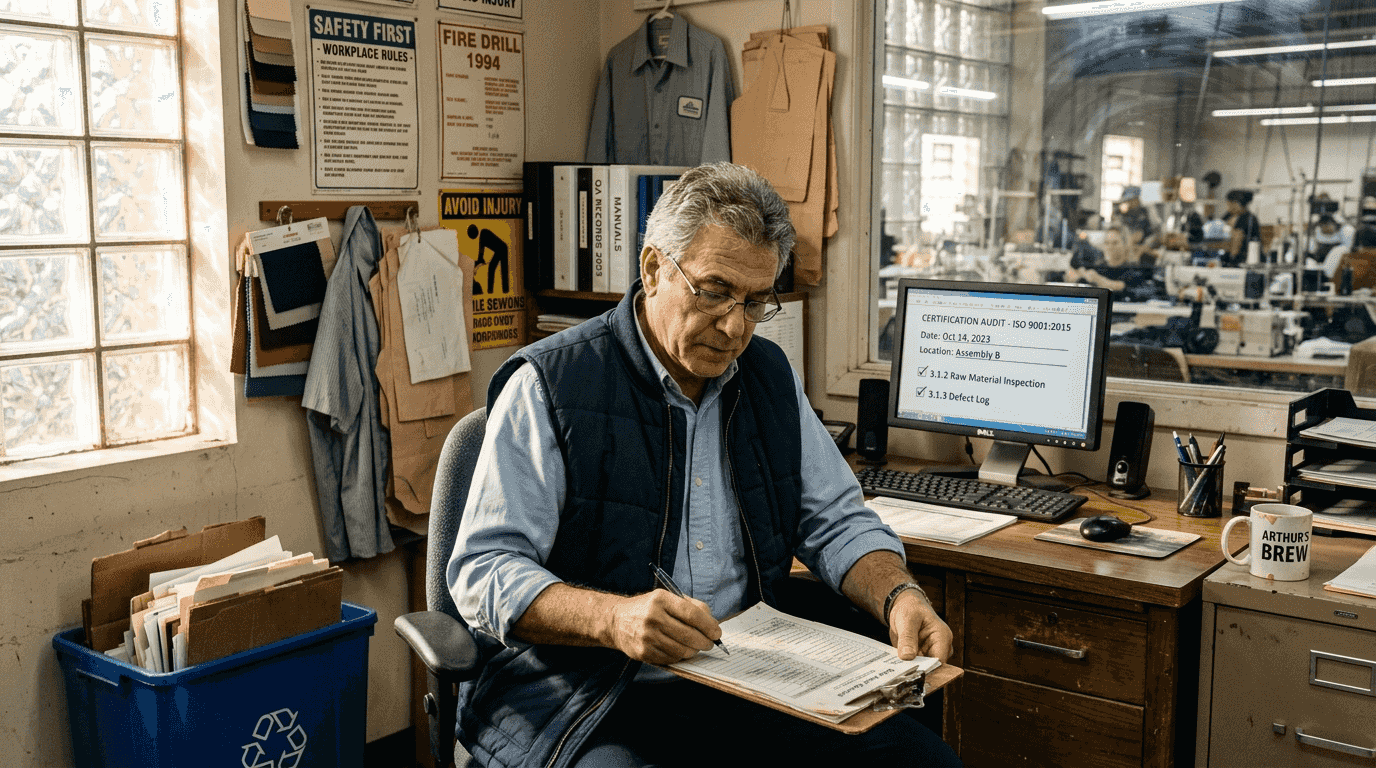
Certification processes involve rigorous third party audits verifying compliance with specific criteria. Auditors inspect facilities, interview workers, review documentation, and assess management systems to confirm standards are met. Annual recertification ensures ongoing compliance rather than one time achievements, creating accountability mechanisms that discourage backsliding. These external validations provide credibility that internal sustainability reports alone cannot match.
Recognizing trustworthy certification labels helps you navigate greenwashing. Look for certifications from established organizations with transparent methodologies and public standards documents. Verify certifications through official registries, as some brands display unofficial or expired credentials hoping consumers won’t investigate. Genuine certifications represent significant investments in ethical practices, while fake badges cost nothing but deceive conscious consumers.
| Certification | Focus Area | Key Benefits |
|---|---|---|
| Fairtrade | Social and economic justice | Fair wages, safe conditions, community development |
| ISO 14001 | Environmental management | Systematic impact reduction, audited compliance |
| GOTS | Organic textiles | Chemical restrictions, social criteria, traceability |
| B Corp | Overall business ethics | Comprehensive social and environmental performance |
Beyond certifications, examine whether brands publish detailed sustainability reports with quantified metrics rather than vague aspirations. Reports should include specific data on carbon emissions, water usage, waste diversion rates, and supply chain audits. Transparency about challenges and setbacks alongside successes indicates authentic commitment versus curated marketing narratives.
Pro Tip: Visit certification body websites to verify brand claims and understand what specific standards require, as certification names alone don’t reveal the rigor behind them or whether brands meet basic versus advanced tiers.
Understanding authenticity and certification in luxury connects product verification with ethical verification, recognizing that both dimensions matter when investing in luxury fashion that aligns with your values.
How luxury brands are transforming supply chains for ethical sourcing
Leading luxury brands redesign supply chain processes by mapping every tier from raw material extraction through final assembly, identifying risk points where exploitation or environmental harm might occur. This visibility enables targeted interventions, whether renegotiating supplier contracts to ensure fair wages, consolidating production to reduce transportation emissions, or implementing traceability technologies like blockchain that document each step. Transformation involves changes across supply chain, design, and governance rather than isolated initiatives.
Material innovation drives ethical progress. Brands increasingly adopt recycled metals for hardware, organic cotton avoiding pesticide intensive conventional cultivation, and leather alternatives derived from mushrooms or pineapple leaves that eliminate animal welfare concerns. These substitutions maintain luxury aesthetics and quality while dramatically reducing environmental footprints and ethical complications. Some brands develop proprietary sustainable materials, investing in research that advances industry wide possibilities.
Governance transformation embeds ethics into corporate DNA through several mechanisms:
- Establishing executive level sustainability roles with budget authority and board reporting responsibilities
- Tying executive compensation to measurable sustainability targets alongside financial performance
- Implementing supplier codes of conduct with binding requirements and audit rights
- Creating grievance mechanisms allowing workers to report violations confidentially
- Publishing annual impact reports with third party verified data and progress against targets
- Joining industry collaborations that share best practices and establish collective standards
Balancing sustainability with luxury desirability requires creative innovation. Brands position ethical sourcing as enhancing rather than compromising luxury, emphasizing craftsmanship preservation, heritage techniques, and exclusive sustainable materials that justify premium positioning. Limited edition collections using innovative eco materials create desirability through scarcity while demonstrating technical leadership. Marketing evolves to celebrate transparency and responsibility as luxury values resonating with conscious consumers.
You can accelerate this transformation by choosing brands demonstrating genuine progress. Support companies publishing detailed sustainability reports showing year over year improvements in measurable metrics. Reward transparency even when it reveals ongoing challenges, as honesty about the journey matters more than claims of perfection. Your purchasing decisions signal market demand for ethical practices, influencing industry direction.
Pro Tip: Prioritize brands that disclose specific factory names and locations rather than just countries, as this granular transparency indicates serious accountability and enables independent verification of working conditions.
Explore top sustainable luxury brands leading this transformation to identify shopping options that align investment with values. These pioneers demonstrate that luxury and ethics can coexist when brands commit resources and reimagine traditional practices.
Explore ethical luxury fashion with designerlabelsale
Now that you understand what ethical sourcing means and how to evaluate it, put this knowledge into practice. DesignerLabelsale curates luxury fashion from brands committed to higher standards, offering authentic pieces at accessible prices without compromising on quality or ethics. You’ll find items from houses investing in sustainable materials, transparent supply chains, and fair labor practices, allowing you to shop confidently knowing your purchases support positive industry transformation.
Discover pieces that embody both style and responsibility. The elegant gray leather ankle boots showcase timeless craftsmanship from brands prioritizing quality over quantity. For sophisticated occasions, chic metallic gray leather pumps deliver elegance with materials sourced according to environmental standards. Complete your wardrobe with elegant black bordeaux striped leather dress shoes representing the intersection of luxury heritage and modern ethical consciousness. Every purchase becomes a statement supporting the fashion industry you want to see.
Frequently asked questions
What is ethical sourcing in luxury fashion?
Ethical sourcing in luxury fashion means ensuring transparent, fair, and sustainable practices throughout supply chains, from raw material extraction to finished products. It includes fair wages for workers, safe working conditions, environmentally responsible material selection, and verifiable documentation of sourcing origins. Brands committed to ethical sourcing maintain long term supplier relationships, pursue third party certifications, and publish detailed reports showing measurable progress toward social and environmental goals.
How can I verify if a luxury brand practices ethical sourcing?
Verify ethical sourcing by checking for recognized certifications like Fairtrade, ISO 14001, or B Corp status through official registries rather than relying solely on brand claims. Review published sustainability reports for specific metrics on labor practices, environmental impacts, and supply chain transparency. Research independent ratings from organizations monitoring fashion industry ethics, and investigate whether brands disclose factory locations and supplier relationships, as transparency indicates accountability.
Why does ethical sourcing matter in luxury fashion specifically?
Luxury fashion’s premium pricing creates both opportunity and responsibility for leading industry ethics, yet the sector has historically hidden exploitation behind exclusive branding. Consumers investing significant resources in luxury pieces deserve assurance their purchases support fair treatment of workers and environmental stewardship. Ethical sourcing preserves craftsmanship traditions by ensuring artisans receive fair compensation, maintains brand integrity through authentic values alignment, and drives broader industry transformation as luxury houses influence supplier standards and consumer expectations.
Are sustainable materials as high quality as traditional luxury materials?
Modern sustainable materials often match or exceed traditional luxury materials in quality, durability, and aesthetics through technological innovation and refined production processes. Recycled metals maintain identical properties to virgin materials while reducing mining impacts. Organic cotton and innovative leather alternatives offer comparable performance with reduced environmental footprints. Leading luxury brands invest heavily in sustainable material research precisely because quality cannot be compromised, resulting in options that satisfy both ethical and aesthetic standards while sometimes offering unique characteristics unavailable in conventional materials.
What challenges prevent all luxury brands from adopting ethical sourcing?
Challenges include complex multi tier supply chains making complete visibility difficult, higher costs associated with fair wages and sustainable materials affecting profit margins, resistance to transparency that might reveal uncomfortable truths about current practices, and lack of industry wide standards allowing inconsistent definitions of ethics. Some brands face tension between exclusivity positioning and the transparency ethical sourcing requires. Overcoming these obstacles demands significant investment in supply chain redesign, governance transformation, and willingness to prioritize long term sustainability over short term financial optimization, explaining why progress varies widely across the luxury sector.
How does shopping at designerlabelsale support ethical luxury fashion?
Shopping at designerlabelsale connects you with authentic luxury pieces from brands investing in ethical practices, allowing you to apply your values without sacrificing style or quality. The platform curates selections emphasizing genuine designer goods, which inherently support legitimate businesses over counterfeit operations that bypass all ethical standards. By offering luxury fashion at accessible prices, designerlabelsale makes ethical luxury attainable for more consumers, expanding market demand that incentivizes brands to maintain and improve their sustainable luxury fashion ethics commitments while you build a wardrobe reflecting both personal style and social responsibility.
Recommended
- Sustainable Luxury Fashion Explained: Ethics and Impact – Designerlabelsale
- Luxury Fashion Trends 2026: What Shoppers Need Now – Designerlabelsale
- Luxury accessory checklist 2026: 68% prioritize sustainability – Designerlabelsale
- 7 Top Sustainable Luxury Brands Every Shopper Should Know – Designerlabelsale