

Guide to Shopping Luxury Brands on a Budget Easily
Finding high-end labels for less feels like a quest every style lover faces sooner or later. With new designer drops tempting your TikTok feed and budgets already stretched, the challenge is real for anyone who craves authentic luxury without overextending their wallet. This guide puts budget-friendly luxury shopping strategies front and center, showing you practical steps for setting realistic spending limits, identifying trusted platforms, and making confident choices that deliver genuine value.
Table of Contents
- Step 1: Set Your Luxury Brand Shopping Budget
- Step 2: Identify Trusted Discount Outlets
- Step 3: Compare Deals And Product Authenticity
- Step 4: Verify Your Designer Purchase Savings
Quick Summary
| Key Point | Explanation |
|---|---|
| 1. Set a clear luxury budget | Assess your income and expenses to determine a realistic luxury spending amount while considering other financial goals. |
| 2. Choose trusted discount outlets | Research and select reputable discount platforms that offer authentication guarantees to avoid counterfeit products. |
| 3. Verify product authenticity | Compare products across multiple platforms, examining detailed condition descriptions and authenticity documentation before purchasing. |
| 4. Request condition reports for purchases | Obtain thorough condition reports and consider third-party authentication services to validate the item’s authenticity and value. |
| 5. Keep all purchase documentation | Save receipts, authentication certificates, and condition reports to protect your investment if reselling becomes necessary. |
Step 1: Set Your Luxury Brand Shopping Budget
Knowing exactly how much you can spend on luxury items is the foundation of smart shopping. Without a clear budget, you’ll either overspend and regret it later or miss out on deals because you’re unsure of your limits. This step helps you figure out what’s realistic for your situation.
Start by assessing your current financial position. Look at your monthly income, existing expenses, and savings. What’s left over after bills, rent, groceries, and emergencies? That’s your potential luxury budget. Be honest about this number—it’s the only way forward.
Next, decide how much of that surplus you’re actually willing to allocate to designer purchases. Some people dedicate 5% of disposable income; others go higher. There’s no magic number, just what works for your life. Think about your other financial goals too. Are you saving for a house? Building an emergency fund? Factor those in.
Research the specific items you want. A designer handbag might cost $1,500 full price, but could drop 30-40% during sales. Understanding typical price reductions in luxury shopping helps you set a realistic target price rather than the original retail cost.
Consider setting up a dedicated savings account specifically for luxury purchases. This keeps your money separate and prevents accidental spending elsewhere. Set up automatic transfers—even small amounts add up.
The key is matching your spending to items you’ll actually wear and love, not just chasing discounts on things you don’t need.
Here are the core steps to pin down your budget:
- Calculate monthly disposable income after all essentials
- Determine what percentage feels comfortable for luxury shopping
- Research actual sale prices for items on your wishlist
- Set a target monthly savings amount
- Open a separate account for these funds
Pro tip: Set your budget to 70% of the item’s typical sale price, not full retail. This gives you room to pounce when better discounts appear without overextending yourself.
Step 2: Identify Trusted Discount Outlets
Not all discount sites are created equal. Finding legitimate platforms that guarantee authentic designer goods is crucial before you spend a single dollar. This step teaches you how to spot trustworthy outlets that won’t leave you with counterfeit handbags or regret.
Start by checking for authentication guarantees. Legitimate discount platforms invest heavily in verifying products. They employ experts who inspect items for authenticity, condition, and value. If a site doesn’t mention its authentication process, that’s a red flag. Read their policies carefully.
Look for resale platforms with established reputations. These sites have built their business on trust and customer satisfaction. They often provide detailed condition reports and transparent pricing. Platforms like The RealReal offer expert authentication processes and feature up to 90% off on curated luxury items, making them reliable choices for budget-conscious shoppers.
Flash sale sites work differently but can offer incredible deals. These platforms partner with brands to sell excess inventory for limited periods. Rue La La, for example, curates designer goods and provides steep discounts on authentic merchandise. The catch? Inventory changes quickly, so you need to check frequently.
Brand outlet stores are another trustworthy option. These official stores sell previous season items and overstock at reduced prices. You’re buying directly from the source, which guarantees authenticity.
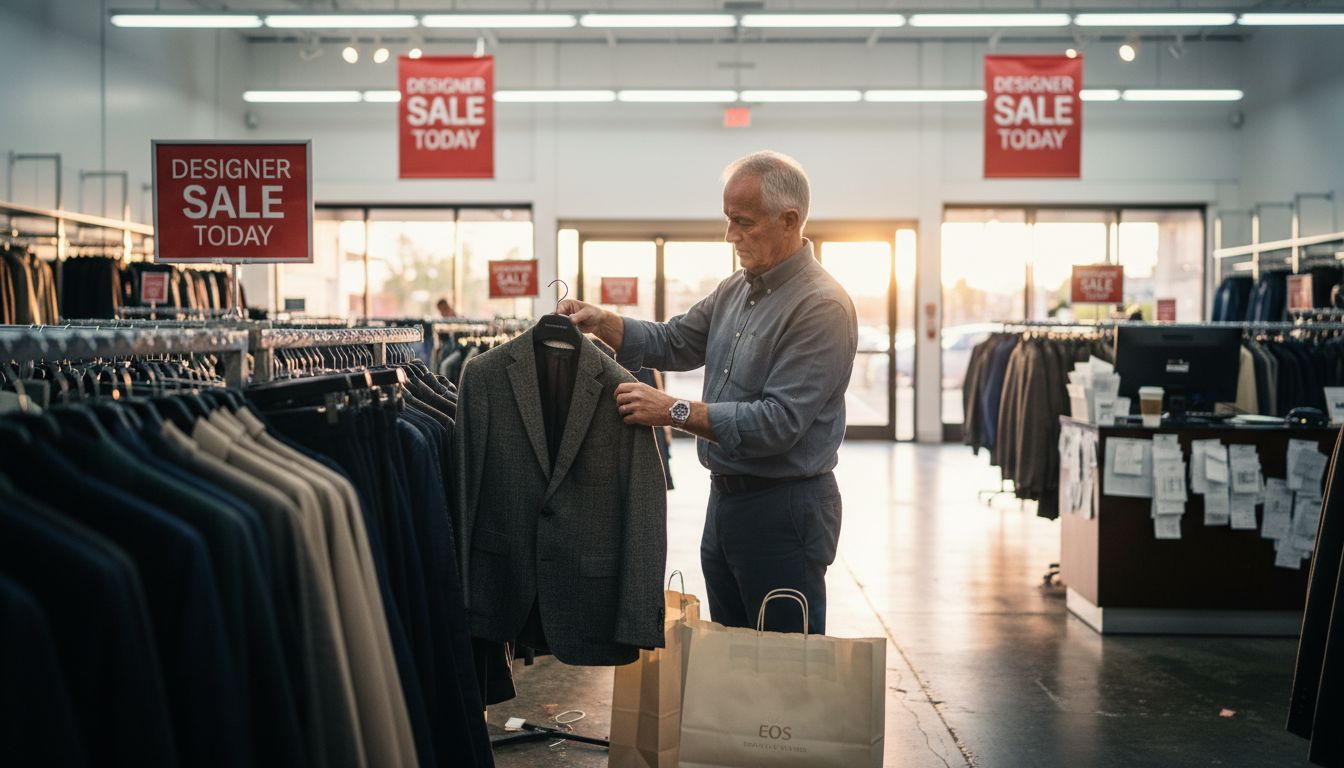
Here is a quick comparison of common luxury discount shopping outlets and how they ensure authenticity:
| Outlet Type | Typical Discount Range | Key Authenticity Assurance | Pros |
|---|---|---|---|
| Luxury Resale Sites | 30%–90% off retail | Professional staff authentication | Large selection, vetted sellers |
| Flash Sale Platforms | 40%–70% off retail | Brand partnerships, limited-time vetting | Deep discounts, new deals daily |
| Brand Outlet Stores | 20%–60% off retail | Direct from brand with proof | Guaranteed real, original packaging |
Consider these key traits when evaluating outlets:
- Detailed condition descriptions and photos
- Clear authentication policies and guarantees
- Customer reviews and ratings visible
- Return policies that protect your purchase
- Secure payment options and buyer protection
Trustworthy outlets make their authentication process transparent because they have nothing to hide.
Before making your first purchase, spend time browsing each platform. Get a feel for how they describe items, what their prices look like, and how customers respond. This research takes 30 minutes but saves you from costly mistakes.
Pro tip: Create accounts on your three favorite platforms and set up price alerts or follow their Instagram accounts to catch flash sales and new arrivals before other shoppers.
Step 3: Compare Deals and Product Authenticity
Finding a great price means nothing if the item is fake. This step shows you how to evaluate deals while verifying that what you’re buying is genuinely authentic. You’ll learn to spot red flags and recognize legitimate bargains.
Start by comparing prices across multiple platforms. Take a designer handbag you’re interested in and check its price at three different outlets. Note the original retail price, current sale prices, and condition ratings. Does one site offer significantly lower prices? That could indicate either a great deal or a problem.
Next, examine the product condition descriptions carefully. Authentic resellers provide detailed information about wear, scratches, and authenticity marks. They photograph items from multiple angles and mention any flaws. Vague descriptions like “good condition” without specifics are suspicious.
Check for authenticity documentation. Legitimate platforms verify items using detailed authentication methods that examine design details, materials, and provenance. Look for seller certifications, expert authentication badges, or third-party verification. If a site doesn’t explain how items are verified, move on.
Look at customer reviews for the specific item or seller. Real buyers share photos and honest feedback about authenticity and condition. Read both positive and negative reviews to get balanced perspective.
Compare these key authenticity indicators:
- Clear, detailed product photography from multiple angles
- Specific condition assessment with measurements
- Authentication process explanation
- Return policies for authenticity concerns
- Seller ratings and buyer reviews
- Original packaging or proof of authenticity
A suspiciously low price combined with vague descriptions is almost always a warning sign.
Be wary of deals that seem too good. If a designer item costs 50% less everywhere else, ask why this one is cheaper. Sometimes it’s legitimate overstock, but other times it indicates counterfeit merchandise.
When comparing similar items across platforms, factor in shipping costs and return policies. A slightly higher initial price might be better if returns are free.
Pro tip: Use a spreadsheet to track prices, authenticity details, and condition ratings for items you’re considering. This helps you spot patterns and make confident decisions when deals appear.
Step 4: Verify Your Designer Purchase Savings
You’ve found a deal, compared prices, and checked authenticity claims. Now comes the final verification step. This ensures your purchase is genuinely authentic and that you’re actually saving money compared to market value.
Request detailed condition reports before finalizing your purchase. Legitimate sellers provide comprehensive documentation showing wear patterns, defects, and overall condition. Ask for close-up photos of any imperfections. A detailed report protects you and confirms the item’s true value.
Use third-party authentication services for high-value purchases. Professional authenticators combine expert analysis with technology to verify designer items. Services like professional luxury authentication provide certificates of authenticity and fair market valuations, giving you confidence that your purchase is genuine and properly priced.
Compare the discounted price against recent sales of similar items. Check resale markets to see what identical pieces sold for in comparable condition. If your deal is significantly cheaper, investigate why. Sometimes it’s legitimate, but occasionally it signals a problem.
Documentation matters enormously. Verify that the seller provides original tags, receipts, or authentication certificates. Missing documentation doesn’t always mean the item is fake, but it reduces the item’s resale value and your peace of mind.
Use this summary to understand third-party authentication benefits for luxury purchases:
| Benefit | Impact for Buyer | Recommended For |
|---|---|---|
| Increased Peace of Mind | Reduces worry about fakes | Handbags, watches, jewelry |
| Documentation for Resale | Boosts future item value | High-value items |
| Transparent Market Valuation | Ensures fair price paid | Rare collectibles |
Before you buy, confirm these verification essentials:
- Original packaging and tags present
- Detailed condition photos from multiple angles
- Serial numbers or authentication marks verified
- Comparable market pricing research completed
- Return policy allowing authenticity disputes
- Professional authentication service option available
Real savings come from authentic items at genuine discounts, not counterfeit bargains that lose value immediately.
After purchase, keep all documentation. Store receipts, authentication certificates, and condition reports in a safe place. These materials protect your investment and prove authenticity if you ever resell the item.
If anything feels off during this process, skip the purchase. Your instinct about mismatched prices or vague descriptions usually serves you well.
Pro tip: For luxury watches, handbags, and jewelry over $500, invest in independent authentication before finalizing payment. The $50-150 verification fee is cheap insurance against thousand-dollar counterfeits.
Shop Luxury Brands Smartly with DesignerLabelSale
The challenge of setting a realistic budget while ensuring authenticity and unbeatable savings on luxury items is real for many shoppers. If you want to avoid counterfeit pitfalls and unpredictable discount outlets, DesignerLabelSale offers a trustworthy solution where genuine designer clothing, handbags, and accessories are expertly curated for budget-conscious fashion lovers. By combining detailed authentication with clear pricing displayed alongside sale offers, it removes guesswork from your pursuit of luxury bargains.
Don’t wait to unlock smart savings on authentic luxury brands. Explore DesignerLabelSale today to find your next genuine designer piece at prices that align perfectly with your budget. With fast shipping, secure checkout, and a user-friendly experience, your luxury shopping journey just became easier. Start browsing the Women’s Collection or the Handbags Selection now and make confident choices that reflect your style and financial goals.
Frequently Asked Questions
How do I set a budget for shopping luxury brands on a budget?
To set a budget for shopping luxury brands, start by calculating your monthly disposable income after all essential expenses. Dedicate a percentage of this surplus to luxury purchases, and set a target savings amount to help reach your spending goal within a specific timeframe, such as 30–60 days.
What are the signs of a trustworthy discount outlet for luxury items?
Look for authentication guarantees and detailed descriptions of product conditions when evaluating discount outlets for luxury items. Choose platforms that provide transparent authentication processes, customer reviews, and return policies to ensure product authenticity before making a purchase.
How can I verify the authenticity of a luxury item during my shopping process?
Verify the authenticity of a luxury item by examining detailed product descriptions, asking for high-quality photos, and checking for authenticity documentation. If possible, utilize third-party authentication services for valuable items, fostering greater confidence in your purchase.
What should I do if I find a suspiciously low price on a luxury item?
If you find a suspiciously low price, compare it with prices on various platforms and pay close attention to item descriptions and seller ratings. If a deal seems significantly better than others, conduct additional research to confirm the item’s authenticity before proceeding with the purchase.
How do I track potential savings on luxury purchases effectively?
To track potential savings on luxury purchases, create a spreadsheet that lists item prices, conditions, and authenticity indicators across different platforms. This organized approach allows you to monitor price trends, helping you make informed decisions and spot genuine discounts when they arise.
Why is it important to keep documentation after purchasing luxury items?
Keeping documentation after purchasing luxury items is crucial because it helps verify authenticity and can enhance the item’s resale value. Store receipts, authentication certificates, and condition reports safely to protect your investment and aid in any future resale efforts.