

Role of Sales in Luxury: Impact on Designer Value
Finding authentic luxury at a discounted price can feel challenging when designer brands are increasingly blending tradition with digital innovation. For fashion-savvy consumers worldwide, understanding the sales dynamics behind these brands is essential. Luxury sales build lasting relationships, tailoring experiences and communicating heritage, while sophisticated pricing and channel strategies help you capture real value. Discover how these unique sales approaches protect brand exclusivity and enhance your confidence as a buyer.
Table of Contents
- Defining The Role Of Sales In Luxury Fashion
- Types Of Luxury Sales And Pricing Tactics
- Understanding Full-Price Vs. Discount Strategy
- Seasonal And Promotional Tactics
- How Sales Events Influence Brand Perception
- The Role Of Celebrity And Influence In Sales Perception
- Perception Management Across Channels
- Sales Channels: Online Outlets And Market Reach
- The Challenge Of Maintaining Exclusivity Online
- Why Online Outlets Matter For Authentic Discounted Luxury
- Market Penetration And Younger Consumer Engagement
- Balancing Accessibility With Brand Exclusivity
- The Retail Experience As Exclusivity Tool
- Navigating The Risk Of Brand Dilution
Key Takeaways
| Point | Details |
|---|---|
| Luxury Sales Focus on Relationships | Sales in luxury fashion prioritize building authentic relationships with customers rather than merely closing transactions. |
| Careful Pricing Strategies | Luxury pricing involves strategic decisions to maintain brand prestige while allowing for smart promotions and discounts. |
| Balance Access and Exclusivity | Successful luxury brands create strategies that expand accessibility without diluting their brand’s exclusivity and perceived value. |
| Significance of Presentation During Sales | How luxury brands execute sales events greatly influences customer perception and brand value, making presentation crucial. |
Defining the Role of Sales in Luxury Fashion
Sales in luxury fashion operates on a completely different playing field than mainstream retail. This isn’t about pushing inventory or hitting volume targets. Instead, the role of sales in luxury centers on preserving brand heritage while connecting emotionally with discerning customers who understand the value proposition behind designer pieces. When you’re shopping for authentic luxury on platforms like Designer Label Sale, you’re engaging with a sales model built on authenticity, expertise, and relationship building rather than aggressive tactics.
The foundation of luxury sales rests on something rarely discussed in traditional retail: relationship-driven interactions. Customer-salesperson relationships in luxury markets function as the backbone of effective sales strategies, particularly because luxury purchases involve high customer involvement and deeply personal contexts. This means sales professionals in luxury fashion must tailor their approach based on individual customer needs, preferences, and social contexts. They’re not simply explaining product features. They’re helping you understand the craftsmanship, heritage, and story embedded in each piece. When you interact with luxury retailers, the salesperson’s role is to facilitate an experience that justifies the investment you’re making.
Modern luxury sales requires merging traditional brand identity with digital innovation. Luxury brands today face the challenge of maintaining historic essence while adapting to technology, which influences how sales teams operate across online and offline channels. This includes employing storytelling, leveraging celebrity collaborations, personalizing customer experiences, and emphasizing sustainability values. The sales function has expanded beyond transactions to encompassing brand storytelling, value communication, and emotional connection through multiple touchpoints. When you browse discounted designer items online, the sales strategy behind that platform involves sophisticated personalization and content that builds trust in authenticity and value.
Consider how sales impacts the designer value equation:
- Heritage preservation: Sales teams communicate brand history and craftsmanship
- Authenticity assurance: Expert salespeople verify and explain product authenticity
- Personalization: Understanding customer preferences creates tailored recommendations
- Emotional resonance: Sales professionals connect the brand story to customer identity
- Sustainability transparency: Communicating ethical practices and responsible production
The real power of luxury sales lies not in closing transactions quickly, but in building lasting relationships that make customers feel understood and valued.
What makes this relevant to you as a luxury consumer hunting for deals is understanding that authentic discount luxury retailers employ the same relationship-focused sales principles. The sales infrastructure at platforms offering genuine designer items at reduced prices still emphasizes expertise, trust, and proper product knowledge. Sales representatives screen for authenticity, educate customers about what they’re purchasing, and build confidence that the discounted price reflects market opportunity, not quality compromise. The relationship marketing model that drives premium-priced luxury sales also protects your interests when purchasing authenticated pieces at lower price points.
The evolution of luxury sales also reflects broader industry shifts toward recognizing what truly differentiates luxury labels—beyond just product quality. Sales professionals must understand exclusivity, brand positioning, production methods, and the intangible values that justify luxury pricing. This knowledge becomes your advantage when shopping for discounted designer items. A retailer whose sales team comprehends these differentiators can confidently explain why a designer handbag or piece of apparel retains value even at sale prices, and they can distinguish genuinely discounted luxury from knockoffs or previous-season overstocks that lack real value.
Pro tip: When purchasing luxury items at reduced prices, ask the retailer’s sales team specific questions about the piece’s craftsmanship, production location, and why it’s being discounted—authentic luxury sellers with strong sales expertise will provide detailed, confident answers that verify both authenticity and real value.
Types of Luxury Sales and Pricing Tactics
Luxury brands don’t simply slap discounts on items and hope customers buy them. Every pricing decision in luxury fashion involves careful strategy that balances maintaining brand prestige with generating revenue. Luxury pricing encompasses far more than just marking down prices—it involves full-price positioning, dynamic pricing adjustments, promotional timing, and credit arrangements that protect brand value while making purchases accessible. Understanding these tactics helps you recognize real value when shopping for authenticated designer pieces at reduced prices.
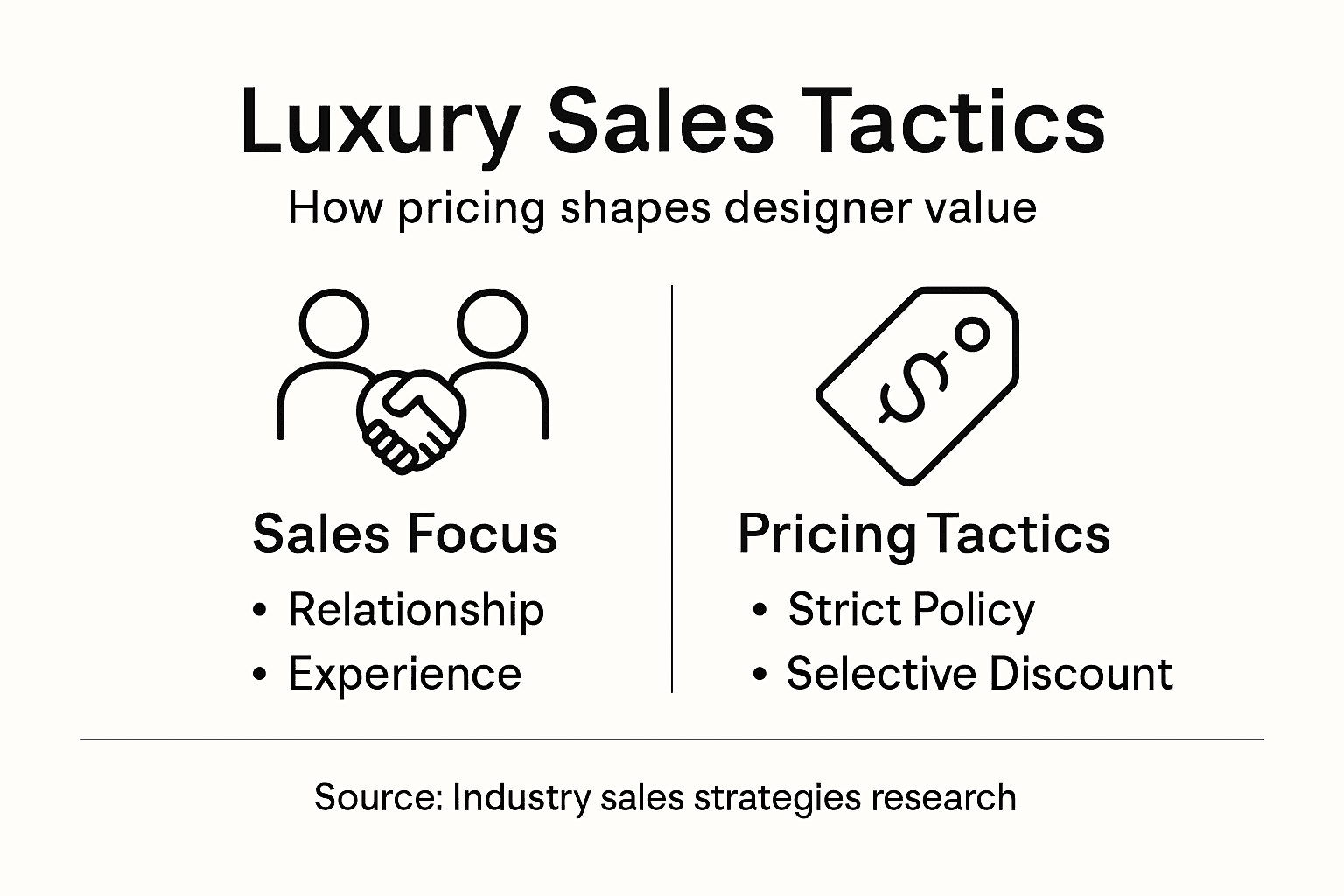
The foundation of luxury pricing strategy rests on complex pricing influenced by marketing, finance, and competition factors. Luxury brands must balance consumer perceived value against cost coverage, ensuring profitability while maintaining the exclusivity that defines the category. This is why you’ll notice luxury retailers don’t simply discount everything equally. Instead, they employ strategic approaches:
Below is a summary of luxury pricing tactics and their goals:
| Pricing Tactic | Primary Goal | Typical Consumer Benefit |
|---|---|---|
| Full-Price Positioning | Preserve brand’s premium image | Access to new, exclusive items |
| Dynamic Pricing | Balance demand and inventory | Flexible deals, occasional markdowns |
| Promotional Discounting | Drive sales at key moments | Timed savings, exclusivity |
| Credit/Installment Options | Widen affordability | Easier payment, expanded access |
| Geographic Price Variation | Adapt to regional markets | Market-driven, local deals |
- Full-price positioning: Maintaining premium pricing for new collections and flagship items to preserve brand prestige
- Dynamic pricing: Adjusting prices based on demand, seasonality, and inventory levels across different markets
- Promotional discounting: Timed seasonal sales (end-of-season, holiday promotions) that feel exclusive rather than desperate
- Credit and installment options: Offering financing to make luxury accessible without devaluing the product
- Geographic pricing variations: Adjusting prices by market to account for local purchasing power and competitive landscape
Luxury brands succeed not by selling cheap, but by strategically controlling when, where, and how discounts appear to maintain brand desirability.
Understanding Full-Price vs. Discount Strategy
Luxury houses maintain strict full-price retail channels for new collections because these anchor the brand’s perceived value. When you see designer pieces at full price in boutiques, that premium pricing serves a purpose beyond profit—it establishes the brand’s market position and craftsmanship narrative. The discount market exists as a separate, carefully managed ecosystem where authenticated designer goods flow to secondary retailers after seasons close or inventory shifts occur.
This is why authentic discount platforms operate differently than traditional outlet stores. Retailers offering genuine designer items at reduced prices maintain relationships with luxury brands through legitimate channels—acquiring overstock, previous-season inventory, or products from authorized wholesale sources. The pricing reflects market reality, not brand devaluation. When you purchase a designer handbag or piece of apparel at reduced prices through authenticated channels, you’re accessing the same quality product that existed at full price, just at the point where inventory management economics create opportunity for discounts.
Seasonal and Promotional Tactics
Luxury brands strategically deploy sales at specific moments to maximize revenue while protecting brand image. End-of-season sales (typically January and July in the fashion calendar) are anticipated events where authentic designer items become available at discounts. Flash promotions, exclusive client sales, and limited-time offers create urgency without commodifying the brand. The timing matters significantly—luxury houses avoid constant sales because regular discounting erodes the exclusivity premium customers pay for.
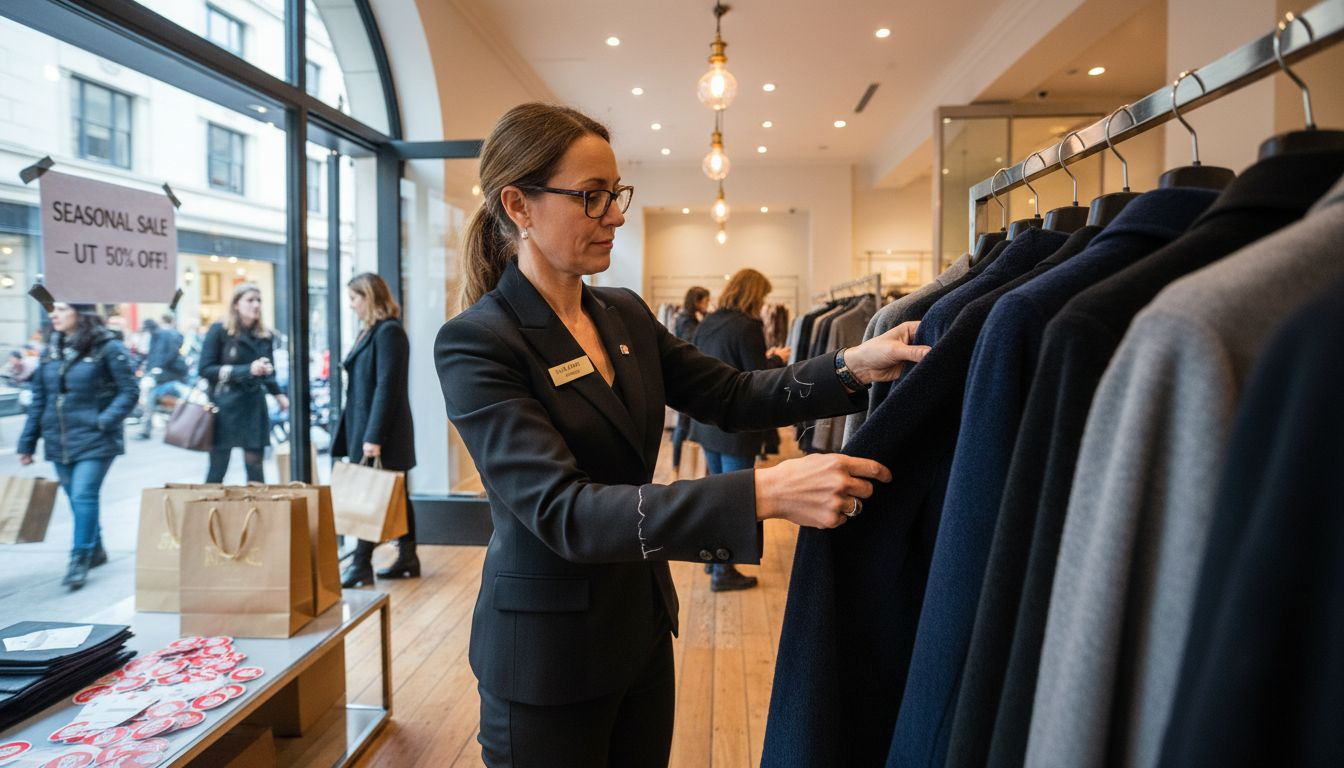
For consumers shopping discounted luxury, recognizing these patterns helps you distinguish genuine sales opportunities from items that never held real value. Understanding the different types of designer sales available throughout the year reveals which sales represent true value and which may indicate overproduction or clearance issues that compromise resale potential. A carefully timed seasonal sale on a well-made designer piece protects your investment better than year-round discounts on questionable inventory.
Pro tip: Track seasonal patterns and learn when luxury brands typically hold major sales events—this timing knowledge allows you to plan purchases strategically and capture the best authenticated designer pieces during planned promotional windows rather than impulse buying at random discounts.
How Sales Events Influence Brand Perception
When a luxury brand hosts a sale, it’s not just moving inventory—it’s crafting a moment that shapes how customers perceive the entire brand. Sales events function as powerful touchpoints that either strengthen or weaken brand perception depending on how they’re executed. The way a brand presents its discounts, the experience customers have during the event, and even who appears at these moments all contribute to whether customers see the sale as exclusive access or desperate clearance.
The psychology behind sales events reveals something surprising: immersive brand experiences through events increase consumer brand perceptions and improve attitudes toward the brand itself. This means a well-orchestrated sale event doesn’t diminish brand value—it actually enhances it by creating memorable, direct engagement with the brand. When you attend a designer sale or participate in exclusive online shopping events, the brand is intentionally designing that experience to strengthen your emotional connection to their identity. The event becomes part of your brand narrative, not just a transaction.
Consider what happens during a luxury sale event:
- Exclusivity messaging: Limited-time access or invitation-only sales signal that customers are part of an elite group
- Curated presentations: How merchandise is displayed and organized communicates brand standards even at reduced prices
- Customer experience design: From styling consultations to personalized recommendations, the service level reinforces brand positioning
- Storytelling integration: Explaining why items are discounted (seasonal rotation, new collection arrival) maintains narrative coherence
- Community building: Sales events that gather customers create social proof and strengthen brand loyalty through shared experience
Sales events that feel like celebrations of the brand strengthen perception, while sales that feel like desperate clearance damage it—the difference lies entirely in presentation and execution.
The Role of Celebrity and Influence in Sales Perception
Luxury brands frequently leverage celebrity presence to shape how consumers perceive sales events. Celebrity presence at events heightens brand visibility and influences consumer perceptions positively when there’s authentic alignment between the celebrity’s image and the brand identity. A fashion influencer or celebrity appearing at a designer sale event isn’t there by accident—they’re reinforcing the brand’s desirability and legitimacy.
This alignment matters significantly. When a celebrity known for refined taste endorses a sale event, it communicates that discounted access doesn’t mean compromising on quality or exclusivity. The celebrity essentially vouches that the brand remains prestigious even during promotional periods. This is why luxury retailers carefully select who represents their sales—misalignment between the celebrity and brand values can actually damage perception by making the sale feel inauthentic or too accessible.
Perception Management Across Channels
Modern luxury brands manage sales perception carefully across physical and digital channels. How a sale is announced, which products are featured, and which customers receive early access all communicate messages about brand identity. When you see certain designer pieces prominently displayed during a sale versus others kept at full price, that’s deliberate strategy. Flagship products and collections maintain higher price points to anchor the brand’s premium positioning, while older or supporting pieces become available at discounts.
This selective approach protects brand perception by signaling that some items transcend sales cycles. Luxury consumers understand this—you expect certain iconic designer pieces to hold value better than seasonal variations. Retailers offering authenticated designer items recognize this psychology and organize their discounted inventory accordingly, helping you identify pieces with stronger resale potential and lasting desirability within the luxury market.
Pro tip: Pay attention to which designer pieces are offered at significant discounts versus which remain at higher prices during sales events—items that rarely go on sale indicate stronger brand positioning and typically hold their value better in the secondary luxury market.
Sales Channels: Online Outlets and Market Reach
The way luxury fashion reaches customers has fundamentally transformed over the last decade. Luxury brands no longer rely exclusively on boutiques and department stores—they now operate through a sophisticated network of physical locations, online marketplaces, mobile applications, and specialized outlet platforms. This shift in sales channels directly impacts how designer value is perceived and where you can access authenticated luxury pieces at reduced prices.
The integration of digital and physical channels represents one of the most significant changes in luxury retail strategy. Multi-channel and omni-channel approaches provide seamless customer experiences and increase market penetration, especially among younger consumers who expect to move fluidly between devices and shopping environments. A luxury brand today must offer continuity whether you’re browsing on your phone, visiting a physical outlet, or shopping through their website. This seamless experience has become a baseline expectation rather than a luxury itself.
Understanding how luxury brands structure their sales channels reveals something crucial about maintaining brand value:
Here’s a comparison of key luxury sales channels and their influence on brand value:
| Sales Channel | Customer Experience | Brand Prestige Impact | Typical Pricing Approach |
|---|---|---|---|
| Flagship Boutique | Highly personalized in-store | Maximizes exclusivity | Full-price, new collections |
| Department Store | Curated assortment, some service | Maintains premium image | Select items, rarely discounted |
| Online Direct-to-Consumer | Seamless luxury branding online | Controls storytelling | May offer exclusive online launches |
| Authorized Outlet | Quality curation, authentic items | Protects brand and access | Seasonal discounts, limited events |
| Secondary Market Retailer | Authentication-focused, global reach | Varies by retailer practices | Discounted, past-season |
- Flagship boutiques: Premium positioning at full price, showcasing new collections and brand storytelling
- Department store partnerships: Curated placement in high-end retailers that reinforce exclusivity
- Online direct-to-consumer: Brand-controlled digital experiences that maintain storytelling and presentation standards
- Authorized outlet platforms: Strategic partnerships with retailers offering discounted inventory while protecting brand prestige
- Mobile commerce: App-based shopping providing personalization and exclusive early access to sales
- Secondary market authenticated retailers: Platforms specializing in discounted designer items with verified authenticity
The luxury brands succeeding today aren’t those choosing between online and offline—they’re those creating a unified experience where each channel reinforces the same brand values.
The Challenge of Maintaining Exclusivity Online
Luxury fashion brands face a genuine tension when expanding into online channels: how do you reach more customers without making the brand feel ubiquitous? Luxury brands are cautiously integrating online outlets while maintaining exclusivity, employing selective digital strategies that recreate their heritage and exclusivity in digital environments. This means that when you encounter luxury items online, the brand has made deliberate choices about pricing, presentation, and access.
Successful luxury e-commerce doesn’t simply replicate physical store experiences. Instead, brands recreate their exclusivity through digital-specific tactics: limited-time drops, member-exclusive previews, personalized recommendations based on purchase history, and carefully curated product selections. A designer outlet online doesn’t feel like a warehouse clearance—it feels like access to a private sale. This is intentional brand management.
Why Online Outlets Matter for Authentic Discounted Luxury
Online outlet channels have become critical infrastructure for the discounted luxury market. They allow brands to manage inventory, clear seasonal stock, and reach cost-conscious consumers without compromising boutique positioning. When you shop at authenticated online luxury outlets, you’re accessing a distribution channel that serves multiple purposes: it moves inventory efficiently, reaches price-sensitive luxury consumers, and maintains quality standards that protect brand reputation.
The sophistication of modern outlet platforms means authentication and quality control happen at a different level than traditional clearance sales. Retailers offering discounted designer items invest heavily in verification systems, expert curation, and presentation standards that reflect the brand’s heritage. Geographic reach has expanded dramatically—online outlets let you access designer items regardless of location, and platforms now manage international shipping, currency conversion, and regional preferences simultaneously.
Market Penetration and Younger Consumer Engagement
Luxury brands recognize that younger consumers evaluate brands partly through digital engagement and accessibility. Mobile-first shopping, social media integration, and influencer partnerships have become essential components of market penetration strategy. This doesn’t mean brands compromise exclusivity—it means they’ve learned to express exclusivity through digital means: limited quantities shown online, early access for loyal customers, and curated content that tells the brand story.
This evolution directly benefits you as a luxury consumer. The expanded market reach means more authentication options, wider product selection in discounted channels, and more competitive pricing across platforms. Luxury brands competing across multiple channels creates upward pressure on service quality and downward pressure on unnecessary markups.
Pro tip: Compare the same designer items across different sales channels—online platforms, physical outlets, and authenticated discount retailers often have different inventory and pricing, so checking multiple channels before purchasing can reveal the best value on pieces you’re targeting.
Balancing Accessibility With Brand Exclusivity
Here’s the fundamental tension luxury brands face: exclusivity and profitability often pull in opposite directions. Making luxury accessible to more customers risks diluting the very exclusivity that makes it desirable. Yet refusing to expand market reach limits growth and allows competitors to capture price-conscious luxury consumers. The brands winning today have learned to thread this needle through sophisticated strategies that expand access without sacrificing prestige.
Luxury brands employ surprisingly creative tactics to manage this balance. Strategic brand positioning uses limited editions, price tiering, and personalized experiences to appeal to broader markets while maintaining aspirational appeal. Think about how high-end designers operate—they release core collections at premium prices, create secondary lines at lower price points, and offer exclusive limited editions that command even higher prices. Each tier serves a different customer segment, but the brand identity remains coherent across all tiers. This segmentation strategy allows brands to capture luxury consumers at multiple income levels without making any single product feel common.
The specific tactics luxury brands use reveal how intentional this balance truly is:
- Price tiering: Multiple product lines at different price points targeting different customer segments
- Limited editions: Scarcity-driven offerings that preserve exclusivity even as volume increases
- Personalized experiences: Direct relationships and customization that make each customer feel valued
- Controlled distribution: Strategic retailer partnerships that maintain premium positioning
- Narrative differentiation: Telling different stories about different product lines to justify price variations
- Service-based exclusivity: Creating exclusive benefits beyond the physical product itself
Successful luxury brands don’t make exclusivity disappear—they transform it from scarcity into aspiration, from gatekeeping into invitation.
The Retail Experience as Exclusivity Tool
One overlooked dimension of accessibility versus exclusivity is how physical and digital retail spaces are designed. Brands employ tactics such as disguise, hybridization, and juxtaposition within retail spaces to balance inclusivity and exclusivity in service encounters. This means how a store is laid out, which products are displayed prominently versus tucked away, and how sales staff interact with different customers all communicate exclusivity messages without turning people away.
A luxury outlet space doesn’t feel like a warehouse. High-end discounted retailers carefully curate how items are presented, who has access to certain products, and what the overall aesthetic communicates. A customer browsing designer items at reduced prices might encounter expert staff, refined presentation, and curated selection that maintains the brand’s premium narrative even in a discount context. This is deliberate design—the retailer is creating an experience that says “you’re accessing something special” rather than “this is leftover inventory we need to clear.”
Navigating the Risk of Brand Dilution
The real danger luxury brands face isn’t accessibility itself—it’s perception of cheapness. When discounts appear too frequent or too deep, customers stop perceiving value. They begin wondering why something that sold at full price last month is now heavily discounted. This perception risk is why authentic luxury outlets maintain strict standards around presentation, curation, and narrative.
When you shop at discounted luxury retailers, the difference between those protecting brand value and those diluting it becomes obvious. Quality retailers explain why items are discounted (seasonal rotation, new collection arrival, inventory management), maintain presentation standards that reflect the brand’s heritage, and avoid making discount seem like the brand’s “true price.” They’re managing the perception that discount equals value, not that it reveals the brand was overpriced all along.
The brands most successful at balancing accessibility and exclusivity maintain what researchers call “controlled distribution.” They don’t flood outlets with inventory. They’re selective about which retailers can sell their discounted items. They ensure that even reduced-price pieces maintain certain quality standards and presentation norms. This strategic limitation creates the paradox that actually protects brand value: by making luxury somewhat scarce even in discount channels, brands preserve the perception that they’re offering something genuinely special.
Pro tip: When shopping discounted designer items, evaluate whether the retailer maintains brand presentation standards and explains the reason for discounts—brands that successfully balance accessibility with exclusivity are usually transparent about why pieces are on sale, while those risking brand dilution simply pile items at deep discounts without context.
Discover Authentic Luxury with Confidence and Value
Navigating the complexity of luxury sales and understanding how brand value is preserved amid discounts can be challenging. This article highlights the vital role that relationship-driven sales and strategic pricing play in maintaining the exclusivity and authenticity you deserve as a discerning shopper. If you want to experience that same expert curation and trust while accessing genuine designer handbags, clothing, and accessories at reduced prices, our platform provides a solution tailored just for you.
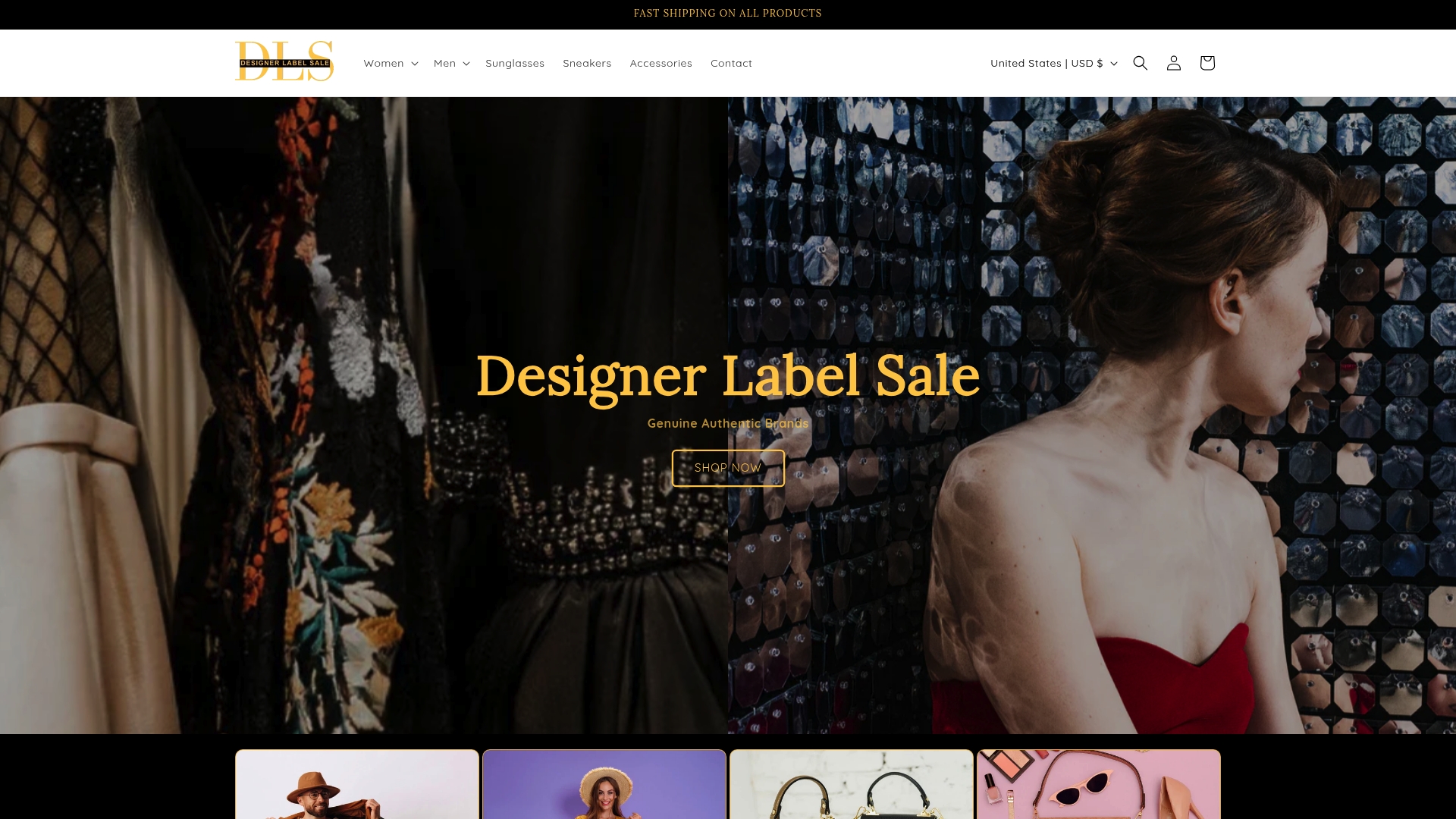
Visit Designer Label Sale to explore a curated collection of authenticated luxury items where each piece reflects craftsmanship and heritage rather than compromise. Shop with confidence knowing that our expert team prioritizes authenticity, transparent pricing, and a seamless online experience. Start your journey today to access exclusive deals backed by genuine value, impeccable service, and fast shipping that respects the legacy of luxury. Don’t miss your chance to enhance your wardrobe with trusted designer quality at exceptional prices.
Frequently Asked Questions
How do sales professionals in luxury fashion create emotional connections with customers?
Sales professionals build emotional connections by tailoring their approach to individual customer needs, emphasizing craftsmanship, heritage, and the story behind each piece, which justifies the investment.
What are some effective pricing strategies used in luxury fashion?
Effective pricing strategies in luxury fashion include full-price positioning to maintain brand prestige, dynamic pricing to balance demand, and promotional discounting during special sales events to drive sales without diluting brand value.
How do luxury sales events influence brand perception?
Luxury sales events can enhance brand perception by creating exclusive experiences and memorable engagements with the brand, reinforcing emotional connections and perceptions of quality, rather than merely serving as opportunities for discounts.
What role does authenticity play in luxury sales?
Authenticity is crucial in luxury sales, as expert sales professionals verify product authenticity and educate customers, ensuring trust and maintaining the perceived value of luxury items even at discounted prices.
Recommended
- Role of Branding in Luxury Fashion: Value and Impact – Designerlabelsale
- Why Luxury Labels Matter for Modern Style – Designerlabelsale
- What Differentiates Luxury Labels: Key Insights – Designerlabelsale
- Role of Designer Labels: Shaping Luxury and Identity – Designerlabelsale
- Understanding Why Choose Designer Dresses for Your Event - DressMeUpNY
- What Defines Luxury Perfumes: Key Markers Explained
- Role of Art in Fashion Marketing: Impact on Identity – ELEDOasis