

Designer Clothing Explained: Prestige, Quality, Value
Every shopper knows the thrill of scoring a luxury find at a fraction of its usual price. For those who crave designer style without paying full retail, the world of authentic premium clothing offers both challenge and reward. Understanding what makes brands like Prada, Saint Laurent, or Loewe special reveals how craftsmanship, quality, and cultural significance shape fashion choices. This guide breaks down misconceptions and helps you spot true value in upscale pieces, so you can shop confidently and elevate your wardrobe.
Table of Contents
- Defining Designer Clothing and Common Misconceptions
- Categories of Designer Apparel and Major Brands
- Key Features: Materials, Craftsmanship, and Exclusivity
- Designer Clothing Pricing and Value Considerations
- Mistakes to Avoid and Recognizing Authentic Pieces
Key Takeaways
| Point | Details |
|---|---|
| Designer Clothing Definition | Designer clothing transcends mere fashion to embody artistry, craftsmanship, and cultural significance. It prioritizes quality, innovation, and ethical considerations over simply being a status symbol. |
| Categories of Designer Apparel | Designer apparel includes various categories such as Haute Couture, Ready-to-Wear, and Athleisure, each with distinct characteristics and pricing. Understanding these can enhance consumer appreciation. |
| Value Considerations | Pricing for designer clothing reflects not only production costs but also factors like material quality, craftsmanship, and brand heritage. Consumers should evaluate potential longevity and resale value. |
| Authenticating Designer Items | To avoid counterfeits, buyers should carefully inspect stitching quality, material consistency, and branding details. Purchasing from authorized retailers is essential for ensuring authenticity. |
Defining Designer Clothing and Common Misconceptions
Designer clothing represents more than just fabric and thread - it embodies a complex intersection of artistry, craftsmanship, and cultural significance. Beyond simple fashion statements, these garments reflect intricate design philosophies and meticulous production standards that distinguish them from mass-market apparel.
Contrary to popular belief, designer clothing isn’t solely about expensive price tags or exclusive brand names. Instead, it encompasses a nuanced approach to fashion that prioritizes quality, innovation, and ethical fashion considerations. The fashion industry involves sophisticated processes that extend far beyond superficial aesthetic choices.
Key characteristics that define designer clothing include:
- Exceptional material quality
- Precision tailoring and construction
- Unique design concepts
- Limited production runs
- Innovative manufacturing techniques
- Advanced fabric technologies
Many consumers misunderstand designer clothing as merely a status symbol. However, these pieces represent significant investments in creative expression, technical skill, and cultural storytelling. Each garment reflects a designer’s vision, incorporating complex design principles that transform clothing from mere coverings into wearable art.
The misconception that designer clothing is purely about luxury overlooks the deeper artistic and technical expertise involved. Designers invest extensive research, development, and craftsmanship into creating pieces that transcend traditional fashion boundaries.
Pro tip: When evaluating designer clothing, look beyond brand names and assess the actual design, material quality, and craftsmanship to understand its true value.
Categories of Designer Apparel and Major Brands
Designer apparel represents a sophisticated landscape of fashion that extends far beyond simple clothing. Global luxury markets demonstrate remarkable diversity across multiple product categories, each with unique characteristics and consumer appeal.
Traditional designer apparel categories include:
- Haute Couture: Highest-end custom-fitted clothing
- Ready-to-Wear: Professionally designed collections sold in standard sizes
- Accessories: Handbags, jewelry, belts, and complementary fashion items
- Footwear: Designer shoes spanning casual and formal styles
- Athleisure: Performance-oriented designer sportswear
- Eveningwear: Sophisticated formal clothing for special occasions
Leading international brands dominate different segments of designer apparel. Luxury powerhouses like Prada, Saint Laurent, and Loewe represent the pinnacle of high-end fashion, each offering distinct design philosophies and aesthetic approaches. These brands carefully curate their collections to reflect emerging trends while maintaining their unique brand identity.
The contemporary designer apparel market increasingly emphasizes sustainability, craftsmanship, and individual expression. Consumers are moving beyond traditional status symbols, seeking apparel market innovations that blend quality, personal style, and ethical production standards.
Here’s a comparison of designer apparel categories and their defining attributes:
| Apparel Category | Typical Production Volume | Customization Level | Typical Price Range |
|---|---|---|---|
| Haute Couture | Extremely limited | Fully customized | Most expensive |
| Ready-to-Wear | Moderate to limited | Minimal customization | High to premium |
| Accessories | Limited editions | Sometimes personalized | Varies by material |
| Footwear | Limited, some exclusives | Some custom options | Premium to luxury |
| Athleisure | Moderate | Personalized details | Premium |
| Eveningwear | Limited | Some custom features | Premium to exclusive |
Pro tip: When exploring designer apparel categories, focus on understanding each brand’s unique design language and aesthetic philosophy rather than simply chasing trends.
Key Features: Materials, Craftsmanship, and Exclusivity
Designer clothing transcends ordinary fashion through its extraordinary attention to luxury fashion supply chain principles. The hallmark of true designer apparel lies not just in its aesthetic appeal, but in the meticulous process of creation that transforms fabric into wearable art.
Key distinguishing features of designer clothing include:
-
Superior Material Selection
- Rare, high-quality natural fibers
- Precision-woven textiles
- Exclusive fabric sourcing
-
Exceptional Craftsmanship
- Hand-finished details
- Intricate pattern construction
- Precision tailoring techniques
-
Unparalleled Quality Control
- Rigorous prototype development
- Extensive fabric testing
- Minimal production runs
The concept of exclusivity in designer clothing extends far beyond mere scarcity. It represents a commitment to preserving traditional artisanal techniques while simultaneously embracing innovative production methods. Each garment tells a story of skill, creativity, and cultural heritage, transforming clothing from a basic necessity into a form of personal expression.
Modern designer brands carefully balance technical precision with artistic vision. They invest considerable resources in developing unique materials, perfecting construction techniques, and maintaining extremely high standards of quality that set them apart from mass-market alternatives.
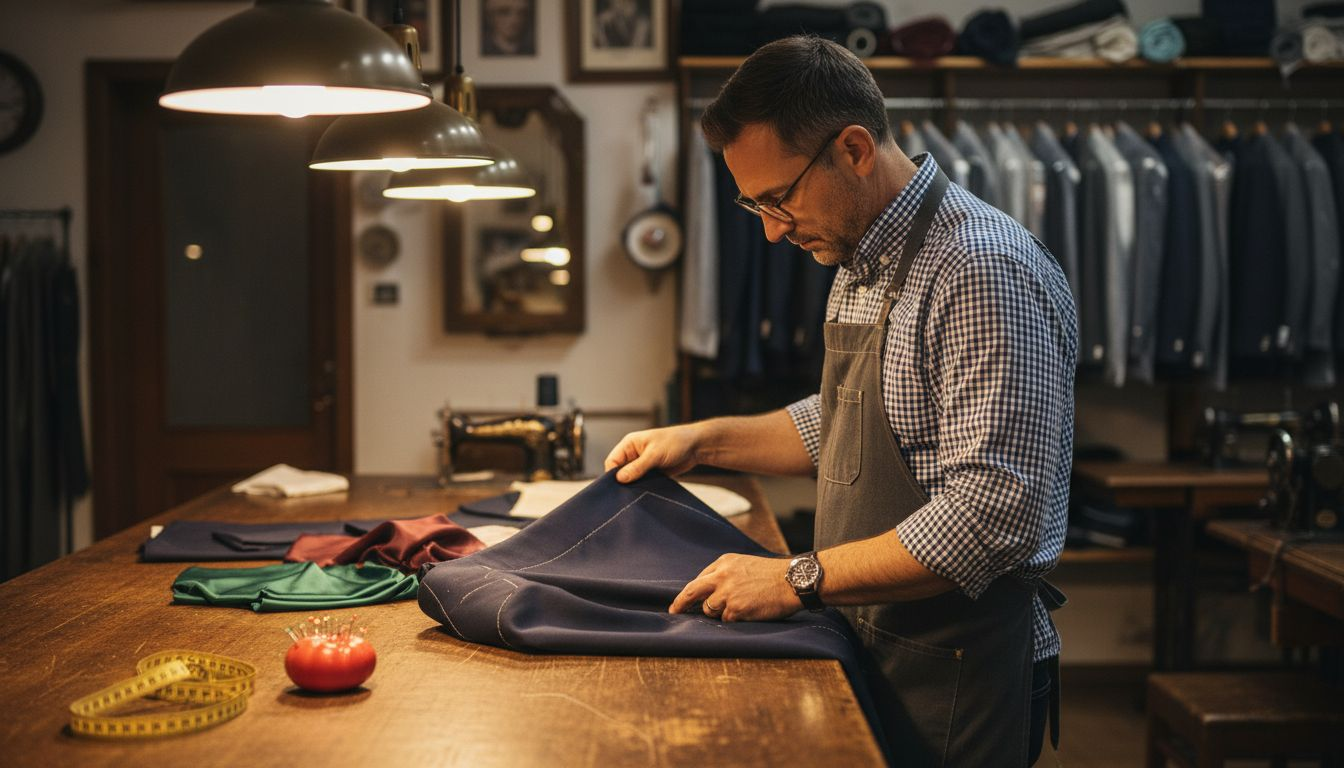
Pro tip: Evaluate designer clothing by examining its internal construction, fabric quality, and finishing details rather than solely focusing on external branding.
Designer Clothing Pricing and Value Considerations
Designer clothing pricing is a complex strategic process that goes far beyond simple cost calculation. Luxury brand pricing strategies involve intricate considerations that balance multiple economic and perceptual factors, transforming clothing from a mere commodity into a sophisticated investment.
Critical factors influencing designer clothing value include:
-
Material Quality
- Rare and premium fabric selections
- Exceptional durability
- Unique textile compositions
-
Craftsmanship
- Precision hand-finishing techniques
- Complex construction methods
- Artisanal production processes
-
Brand Heritage
- Historical design reputation
- Cultural significance
- Innovation track record
Consumers increasingly view designer clothing through an investment lens, recognizing that certain pieces retain remarkable resale value. Iconic items from established brands can appreciate over time, much like fine art or collectible assets. This perspective shifts the conversation from pure expense to potential long-term value.
The pricing of designer clothing reflects not just production costs, but intangible elements of creativity, exclusivity, and cultural capital. Modern consumers are sophisticated enough to understand that true value extends beyond immediate visual appeal, encompassing design philosophy, technical innovation, and potential future worth.
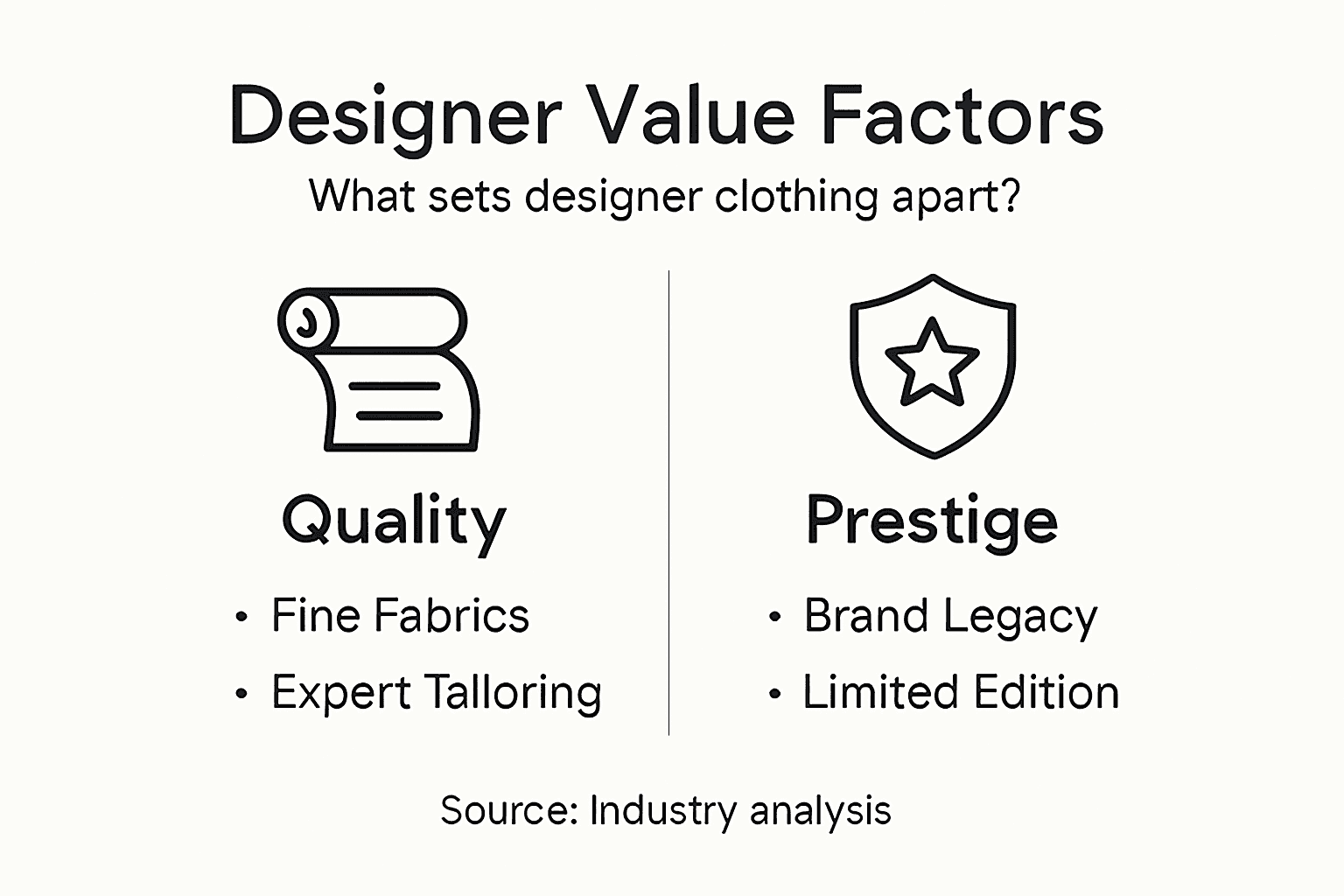
Pro tip: Evaluate designer clothing investments by considering potential longevity, versatility, and resale market demand rather than solely focusing on current price.
Mistakes to Avoid and Recognizing Authentic Pieces
Authentic designer clothing requires more than a casual glance - it demands meticulous scrutiny and specialized knowledge. Authenticating designer goods involves a comprehensive examination of multiple intricate details that separate genuine luxury pieces from sophisticated counterfeits.
Key warning signs of potential counterfeit designer items include:
-
Stitching Quality
- Uneven or irregular stitch lines
- Loose or inconsistent threading
- Misaligned seam patterns
-
Material Inconsistencies
- Cheap or lightweight fabrics
- Incorrect texture and weight
- Low-grade hardware and embellishments
-
Branding Red Flags
- Misspelled logos
- Incorrect font or spacing
- Imprecise logo placement
Professional authentication requires understanding brand-specific nuances that extend far beyond surface-level visual inspection. Each luxury brand maintains unique production standards, with specific hallmarks of quality that trained experts recognize instantly. Sophisticated buyers develop a keen eye for detecting subtle manufacturing differences that distinguish authentic pieces from sophisticated replicas.
The counterfeit market continues evolving, making authentication an ongoing challenge. Modern fake designer items have become increasingly complex, requiring consumers to stay informed about emerging detection techniques and brand-specific manufacturing details.
The following table summarizes the key differences between authentic and counterfeit designer clothing:
| Aspect | Authentic Designer Pieces | Counterfeit Pieces |
|---|---|---|
| Stitching | Consistent, precise | Uneven, often sloppy |
| Materials | Premium, carefully sourced | Inexpensive, low-grade |
| Branding | Exact fonts and placement | Misspelled or misaligned logos |
| Hardware/Details | Solid, logo-engraved | Cheap, generic components |
Pro tip: Always purchase designer clothing from authorized retailers and request detailed authentication documentation to ensure your investment’s genuine status.
Discover Authentic Designer Clothing Without Compromise
Navigating the world of luxury fashion can feel overwhelming when considering quality, craftsmanship, and authenticity as discussed in the article. You want designer clothing that truly reflects superior materials and expert tailoring without falling into the trap of overpriced or counterfeit items. At DesignerLabelSale, we understand these challenges and offer a curated selection of genuine designer clothing, handbags, accessories, and footwear—all at a fraction of the usual cost.
Experience the confidence that comes with owning authentic pieces from the world’s top brands while enjoying clear pricing and fast shipping. Take the next step toward elevating your wardrobe with real value and prestige today by exploring our collection at DesignerLabelSale. Don’t wait to invest in pieces that combine luxury, exclusivity, and smart savings.
Frequently Asked Questions
What defines designer clothing?
Designer clothing is characterized by exceptional material quality, precision tailoring, unique design concepts, limited production runs, and innovative manufacturing techniques, representing a blend of artistry, craftsmanship, and cultural significance.
How is the pricing of designer clothing determined?
The pricing of designer clothing involves multiple factors, including material quality, craftsmanship, brand heritage, and the perceived value created by exclusivity and cultural capital, making it a sophisticated investment rather than just an expense.
What are the key categories of designer apparel?
Designer apparel can be categorized into haute couture, ready-to-wear, accessories, footwear, athleisure, and eveningwear, each with distinct characteristics, production volumes, and pricing structures.
How can I authenticate designer clothing?
To authenticate designer clothing, look for consistent stitching quality, premium materials, accurate branding, and signature details specific to the brand. Always consider seeking professional authentication if in doubt.