

Fashion e-commerce explained: Luxury bargains and buying tips
Nearly half of all fashion purchases now happen online, and the global market will reach $1.18 trillion in 2026. That number alone should silence anyone who still thinks luxury bargains and digital shopping don’t mix. The reality is that savvy shoppers are scoring authenticated designer pieces at steep discounts every single day. This article breaks down exactly how fashion e-commerce works, where the real deals live, and how you can shop smarter without getting burned by fakes or frustrating return policies.
Table of Contents
- Understanding fashion e-commerce basics
- How fashion e-commerce works: Behind the scenes
- Discounted luxury and the rise of resale platforms
- Expert insights: Navigating pitfalls and maximizing bargains
- Discover discounted luxury with Designerlabelsale
- Frequently asked questions
Key Takeaways
| Point | Details |
|---|---|
| Market is booming | Fashion e-commerce now accounts for nearly half of all global fashion sales and is rapidly growing. |
| Luxury bargains are real | Resale platforms make it possible to buy authenticated designer items at 30-80% off. |
| Returns are costly | Sizing and fit issues drive high return rates, costing retailers billions annually. |
| Smart shopping pays off | Using expert tips and verification can help bargain hunters avoid pitfalls and maximize savings on luxury fashion online. |
| Apply your expertise | Platforms like Designerlabelsale offer curated, authentic deals for savvy shoppers ready to leverage new knowledge. |
Understanding fashion e-commerce basics
Fashion e-commerce is broader than most people realize. At its core, fashion e-commerce covers the online buying and selling of clothing, accessories, footwear, cosmetics, and luxury goods through both B2B and B2C models. That means everything from a fast-fashion retailer selling $15 tops to a curated outlet moving authenticated Gucci handbags at 60% off falls under the same umbrella.
The fashion e-commerce market is projected to reach $1.18 trillion in 2026, driven by mobile shopping, social commerce, and a growing appetite for luxury at accessible prices. Understanding the fashion e-commerce value chain helps you see why some platforms can offer genuine discounts while others cut corners on quality or authenticity.
Here’s a quick breakdown of the main market segments you’ll encounter:
- Fast fashion: High volume, low price, rapid trend cycles. Think mass-market brands refreshing collections weekly.
- Luxury retail: Full-price designer goods sold through brand-owned stores or authorized retailers.
- Outlet and discount platforms: Authenticated designer items sold below retail, often end-of-season or overstock.
- Resale and secondhand: Pre-owned luxury goods, authenticated and resold at significant savings.
- Rental and subscription: Rotating wardrobes for a monthly fee, popular for occasion wear.
Knowing which segment you’re shopping in matters enormously. Outlet and resale platforms are where discounted designer brands deliver the most consistent value for fashion-forward shoppers who refuse to pay full price.
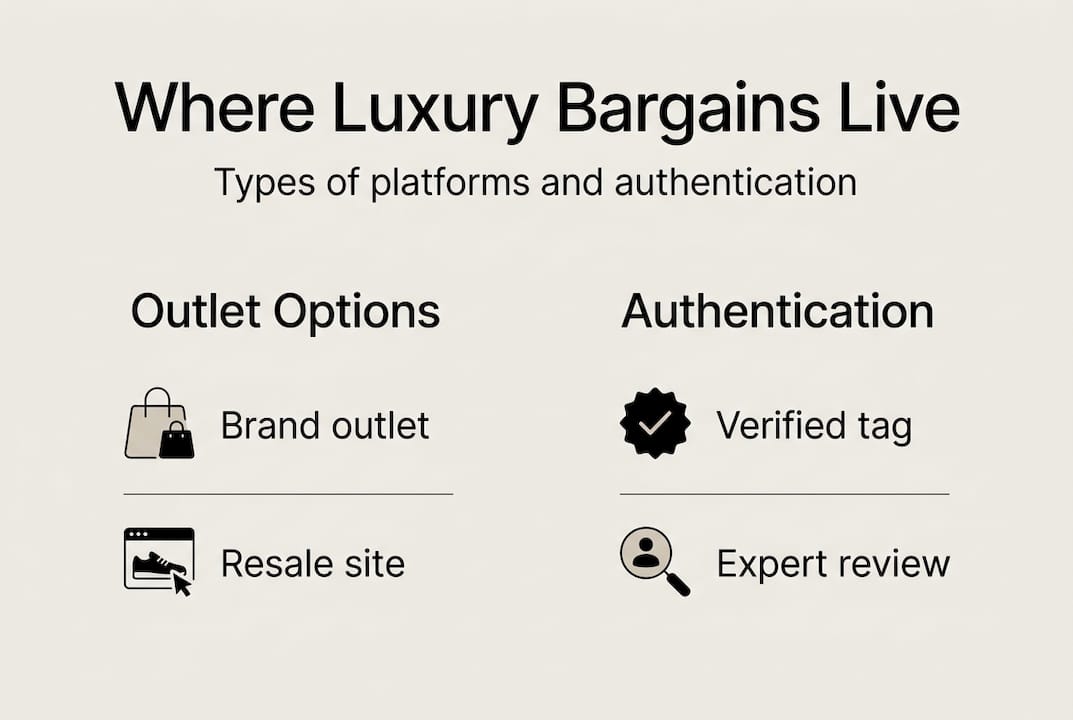
| Platform type | Price range | Authentication | Best for |
|---|---|---|---|
| Brand-owned store | Full retail | Guaranteed | New season pieces |
| Marketplace (e.g., Amazon) | Varies widely | Inconsistent | Everyday basics |
| Outlet/discount site | 30-70% off retail | Expert-verified | Designer bargains |
| Resale platform | 30-80% off retail | Multi-step process | Pre-owned luxury |
| Fast fashion retailer | Budget pricing | N/A | Trend-driven basics |
How fashion e-commerce works: Behind the scenes
Most shoppers see the polished front end of an online store and never think about what powers it. The reality is a complex chain of operations that directly affects pricing, availability, and the deals you find.
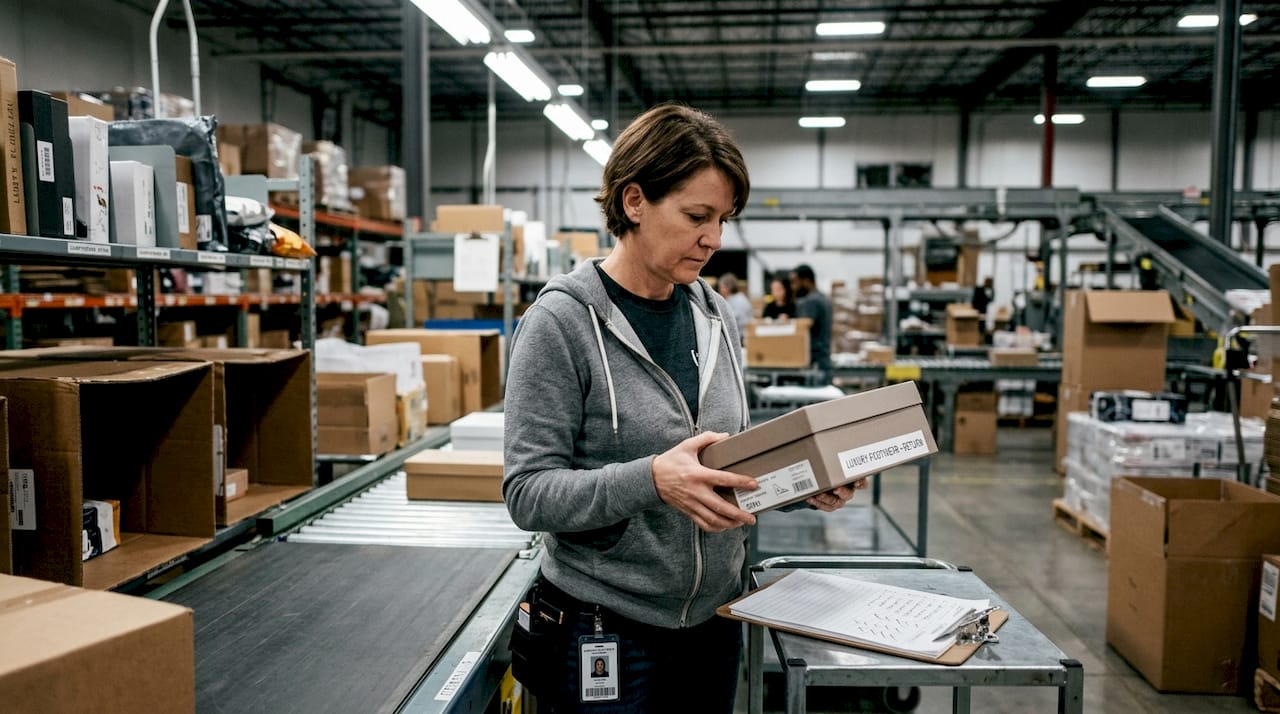
Key value chain mechanics include sourcing, product digitalization, digital marketing, platform development, returns, shipping, customer service, and payment systems. Each step adds cost. When a platform manages these efficiently, those savings get passed to you as a shopper.
Here’s how the process flows from warehouse to your wardrobe:
- Sourcing: Brands or platforms acquire inventory, either new overstock from designers or authenticated pre-owned pieces.
- Product digitalization: Items are photographed, described, and listed with sizing data and condition notes.
- Digital marketing: Targeted ads, email campaigns, and social content drive traffic to listings.
- Order processing: Your purchase triggers inventory updates, payment capture, and fulfillment instructions.
- Logistics and shipping: The item is packed, labeled, and dispatched, often with real-time tracking.
- Customer support: Post-purchase queries, sizing questions, and return requests are handled here.
- Returns processing: Returned items are inspected, restocked, or liquidated, which is where costs spike.
Returns are the single biggest cost driver in online fashion. Return rates average 25-40%, with a staggering $816 billion global annual cost. Sizing and fit issues cause most of these returns, which is why smart platforms invest heavily in detailed size guides and fit technology.
| Metric | Industry average | Impact on pricing |
|---|---|---|
| Return rate | 25-40% | Raises operational costs |
| Shipping cost per order | $8-$15 | Affects free shipping thresholds |
| Authentication time | 1-5 business days | Delays but protects buyers |
| Inventory turnover | 4-6x per year | Drives clearance pricing |
Pro Tip: Always check a platform’s return policy before buying. A free return window of at least 14 days signals that the retailer is confident in their product descriptions and sizing accuracy. Platforms that charge for returns often have tighter quality controls to begin with.
You can explore how fashion deals explained in detail, including why outlet pricing exists and how clearance cycles work in your favor as a buyer. Understanding the e-commerce supply chain also reveals why certain platforms can sustain deep discounts without sacrificing authenticity.
Discounted luxury and the rise of resale platforms
Here’s where it gets exciting for bargain hunters. The secondhand and outlet luxury market has exploded, and the numbers back it up. Resale platforms enable 30-80% savings on authenticated pre-owned designer items, and the resale market is growing three times faster than the new luxury market.
That growth isn’t accidental. Consumers are smarter, more sustainability-conscious, and less willing to pay full retail for items that depreciate the moment they leave the store. A Burberry trench coat bought at 50% off a trusted outlet is the same coat. The label doesn’t change.
Here’s what makes a resale or discount platform worth trusting:
- Multi-step authentication: Physical inspection by trained experts, not just seller photos.
- Condition grading: Clear descriptions of wear, with photos of any imperfections.
- Buyer protection policies: Refunds if an item arrives not as described.
- Transparent pricing history: You can see what similar items sold for previously.
- Verified seller ratings: Community feedback that holds sellers accountable.
Our high-end resale guide walks you through exactly what to look for when evaluating a platform’s authentication process. For practical strategies on scoring deals, the finding designer deals resource covers timing, categories, and search tactics that work.
Pro Tip: The best time to shop outlet and resale platforms is during end-of-season transitions, typically January and July. Inventory spikes as retailers clear prior-season stock, and prices drop further to move volume quickly.
The fraud risk is real but manageable. Counterfeit goods are a genuine problem in online luxury, but reputable platforms have authentication teams that catch fakes before they reach buyers. Stick to platforms with clear authentication guarantees and avoid deals that seem impossibly cheap, even by outlet standards. Our curated list of discounted luxury brands highlights which labels offer the best value-to-authenticity ratio on the secondary market.
Expert insights: Navigating pitfalls and maximizing bargains
Even experienced shoppers make costly mistakes when buying luxury online. The most common one is bracketing, which means ordering multiple sizes or colors with the intention of returning most of them. It feels smart, but it drives up return costs for everyone and can get your account flagged on some platforms.
Other frequent pitfalls include:
- Ignoring size charts: International sizing varies dramatically. A European 40 is not the same as a US 10 in every brand.
- Skipping condition notes: On resale platforms, “good” and “excellent” condition mean very different things depending on the platform’s grading scale.
- Overlooking return windows: Some outlet sales are final. Missing that detail is an expensive lesson.
- Chasing the lowest price: The cheapest listing isn’t always the best deal if authentication is unclear.
“The platforms that invest in fit technology and detailed product data see the lowest return rates and the highest repeat purchase rates. Shoppers who use those tools spend more confidently.”
AI personalization and virtual try-on tools can reduce return rates by 8 to 15 percentage points when used effectively. That’s a massive improvement that benefits both the platform and you as a buyer. Fewer returns mean lower operational costs, which means more room for genuine discounts.
For practical guidance on timing your purchases and using clearance cycles strategically, the fashion clearance tips resource is worth bookmarking. And if you want a full framework for shopping authenticated luxury at lower prices, the shopping tips for luxury guide covers everything from reading product listings to negotiating on resale platforms.
The bottom line is that informed shoppers win. The more you understand about how platforms operate, where deals come from, and what authentication actually involves, the better your buying decisions become.
Discover discounted luxury with Designerlabelsale
Now that you understand how fashion e-commerce works and where the real bargains live, you’re ready to shop with confidence. Designerlabelsale is an online luxury outlet built for exactly this kind of informed shopper, offering authenticated designer footwear and accessories at prices that reflect genuine value, not compromised quality.
The current collection includes standout pieces like gray leather ankle boots and sleek black bordeaux dress shoes for those who want polished style at a fraction of retail. If you prefer elevated everyday wear, the gray black leather pumps and refined gray brown laceup shoes deliver designer quality without the designer price tag. Fast shipping, clear pricing, and a curated selection make every visit worth your time.
Frequently asked questions
What does fashion e-commerce actually mean?
Fashion e-commerce refers to buying and selling clothing, accessories, and luxury goods online through brand stores, marketplaces, or resale platforms, covering both B2B and B2C transactions.
How much can I save buying discounted luxury fashion online?
Buyers can realistically expect 30-80% savings on authenticated pre-owned designer items, particularly on established resale and outlet platforms with strong authentication processes.
Are return rates higher for online fashion shopping?
Yes, return rates average 25-40% in online fashion, primarily due to sizing and fit issues, costing the industry approximately $816 billion globally each year.
How do I know if a discounted designer item is authentic?
Reputable platforms use multi-step authentication processes with trained experts who physically inspect items before listing, and they back purchases with buyer protection guarantees if something arrives misrepresented.
Recommended
- Luxury fashion shopping tips: maximize authentic discounts – Designerlabelsale
- What is a fashion bargain? Authentic luxury deals 2026 – Designerlabelsale
- Luxury shopping tips: expert guide to smart high-end buys – Designerlabelsale
- Luxury Shopping Guide: Secure Designer Deals Online Easily – Designerlabelsale