

Why Shop Designer Sale: Luxury Fashion for Less
Finding authentic luxury fashion at prices you can actually afford often feels like searching for hidden treasure. For many American and European women, the thrill of a designer sale lies in its promise of high-end style without the high sticker shock. These events are more than simple discounts—they are carefully planned opportunities to claim stunning pieces while staying wallet-friendly. Mastering the art of the designer sale means getting the best value on brands you love and building a wardrobe that reflects your unique style.
Table of Contents
- What Is a Designer Sale and Why It Matters
- Types of Designer Sales and Discounts
- How Authenticity Is Guaranteed Online
- Recognizing True Bargains and Red Flags
- Risks, Returns, and Cost-Saving Strategies
Key Takeaways
| Point | Details |
|---|---|
| Designer Sales Offer Unique Opportunities | Luxury clothing and accessories can be acquired at significantly reduced prices, making high-end fashion accessible to budget-conscious consumers. |
| Types and Timing of Sales Matter | Understanding the different sale types and their strategic timings can help consumers maximize their savings and access exclusive products. |
| Verification of Authenticity is Essential | Using sophisticated authentication methods, such as serial number tracking and blockchain verification, helps ensure the legitimacy of luxury purchases online. |
| Be Aware of Red Flags | Spotting common warning signs, such as unrealistic pricing and lack of secure payment icons, can prevent consumers from falling for scams and ensure a valuable purchase experience. |
What Is a Designer Sale and Why It Matters
A designer sale represents a strategic opportunity for fashion enthusiasts to acquire luxury clothing and accessories at significantly reduced prices. These specialized sales events provide consumers with access to high-end fashion collections that would typically be financially out of reach. Professional selling strategies demonstrate how these sales facilitate critical connections between designers, retailers, and budget-conscious shoppers.
Designer sales function as a critical mechanism within the fashion ecosystem. They serve multiple important purposes:
- Clearing seasonal inventory
- Introducing new customers to luxury brands
- Generating revenue during slower retail periods
- Offering consumers access to premium fashion
The significance of designer sales extends beyond simple discounting. Fashion industry marketing strategies reveal these events as sophisticated mechanisms for brand positioning and consumer engagement. By creating controlled, time-limited opportunities to purchase premium products, designers maintain brand exclusivity while expanding their potential customer base.
Understanding designer sales requires recognizing their strategic complexity. These are not mere clearance events, but carefully orchestrated marketing initiatives designed to balance inventory management, brand perception, and consumer desire. Luxury fashion brands meticulously plan these sales to ensure they maintain product prestige while providing attractive purchasing opportunities.
Pro tip: Always research sale timing and authenticate product origins before making luxury fashion purchases to maximize value and ensure quality.
Types of Designer Sales and Discounts
Luxury fashion sales come in various strategic formats designed to attract consumers and manage inventory. Discounting practices in fashion reveal a complex landscape of targeted promotional strategies that go far beyond simple price reductions.
The most common types of designer sales include:
-
Seasonal Sales
- Summer clearance events
- Winter collection markdowns
- Mid-season transition sales
-
Inventory Clearance Sales
- End-of-season collections
- Sample sales
- Overstock liquidations
-
Exclusive Promotional Events
- Private member sales
- First-access shopping periods
- Limited-time designer collaborations
Designer sales utilize multiple discount strategies to attract consumers. These can range from percentage-based discounts to more complex promotional models like buy-one-get-one offers, loyalty rewards, and tiered pricing structures. Each approach is carefully crafted to balance brand exclusivity with sales volume.
The timing and structure of these sales are not random but meticulously planned marketing initiatives. Luxury brands strategically schedule sales to coincide with consumer purchasing cycles, introduce new collections, and manage inventory turnover while maintaining their premium brand image.
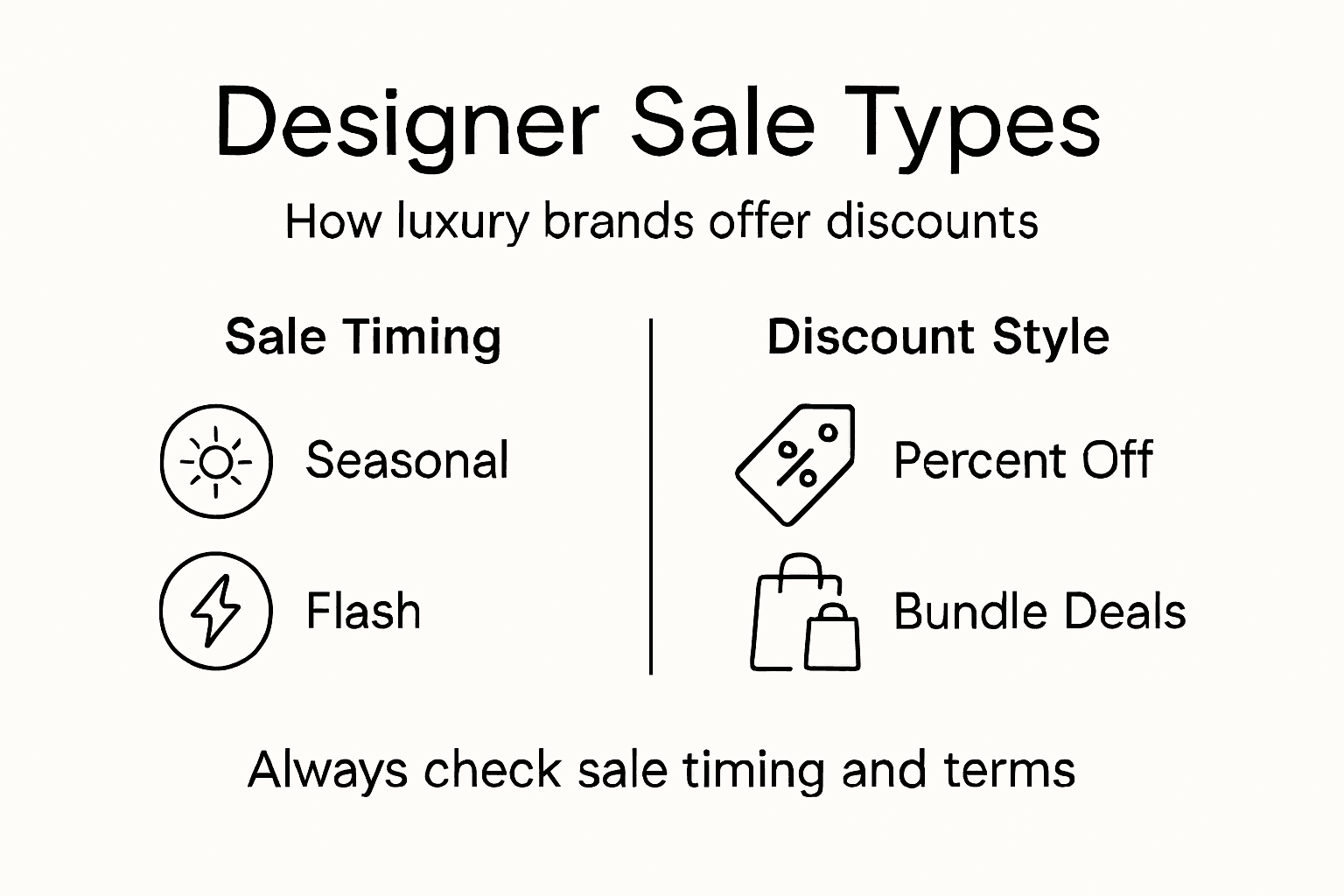
Here’s a quick comparison of designer sale types and their main benefits:
| Sale Type | Typical Timing | Exclusive Feature | Customer Benefit |
|---|---|---|---|
| Seasonal Sale | End of seasons | Limited-time collections | Access to recent trends |
| Inventory Clearance | At stock turnover | Samples and one-offs | Rare finds at deep discounts |
| Promotional Event | Special member dates | Early access, invites | VIP shopping experience |
Pro tip: Sign up for designer brand newsletters and follow their social media to get advance notice of upcoming sales and exclusive discount opportunities.
How Authenticity Is Guaranteed Online
Guaranteeing the authenticity of designer products in the online marketplace requires sophisticated verification techniques that go far beyond traditional authentication methods. Luxury product authentication now involves a complex ecosystem of technological solutions designed to protect consumers and maintain brand integrity.
The key authentication methods for ensuring genuine designer products include:
-
Serial Number Tracking
- Unique product identification codes
- Manufacturer-verified registration systems
- Digital verification platforms
-
Advanced Technological Verification
- Blockchain transaction records
- Digital product certificates
- Machine learning authentication algorithms
-
Expert Verification Processes
- Professional authentication services
- Brand-specific verification protocols
- Detailed visual and material inspections
Emerging technologies are transforming how luxury brands protect their products. Digital Product Passports represent a revolutionary approach, providing consumers with comprehensive digital documentation that tracks each product’s entire lifecycle and provenance.
The authentication process is a collaborative effort involving sellers, technology providers, and consumers. Brands are increasingly investing in robust digital verification systems that create multiple layers of protection against counterfeit products, ensuring that online luxury purchases meet the highest standards of authenticity.
To better understand online designer authentication, see how major methods compare:
| Method | Technology Used | Reliability Level | Common Usage Scenario |
|---|---|---|---|
| Serial Number Tracking | Digital codes, QR tags | High | Shoes, bags, jewelry |
| Blockchain Verification | Encrypted records | Very high | Limited releases, high value |
| Expert Manual Review | Trained professionals | Variable | Vintage, rare or legacy items |
Pro tip: Always request detailed authentication documentation and verify the seller’s reputation before completing any high-value online luxury purchases.
Recognizing True Bargains and Red Flags
Spotting authentic designer deals requires a keen eye and strategic approach to online shopping. Online shopping red flags help consumers distinguish between legitimate bargains and potential scams, protecting their investments and ensuring quality purchases.
Key warning signs that suggest a potentially fraudulent designer sale include:
-
Website Credibility Indicators
- Spelling errors in URLs
- Lack of clear contact information
- Poor website design and functionality
- Missing secure payment icons
-
Price and Offer Suspicions
- Prices dramatically lower than market value
- Unrealistic discounts on luxury items
- No clear return or exchange policy
-
Authentication Red Flags
- Absence of serial number verification
- Generic product images
- Limited product details
- No brand-specific authentication markers
Authentic product verification involves careful inspection of multiple quality indicators. Consumers should examine manufacturer markings, assess material quality, and verify packaging authenticity before completing their purchase.
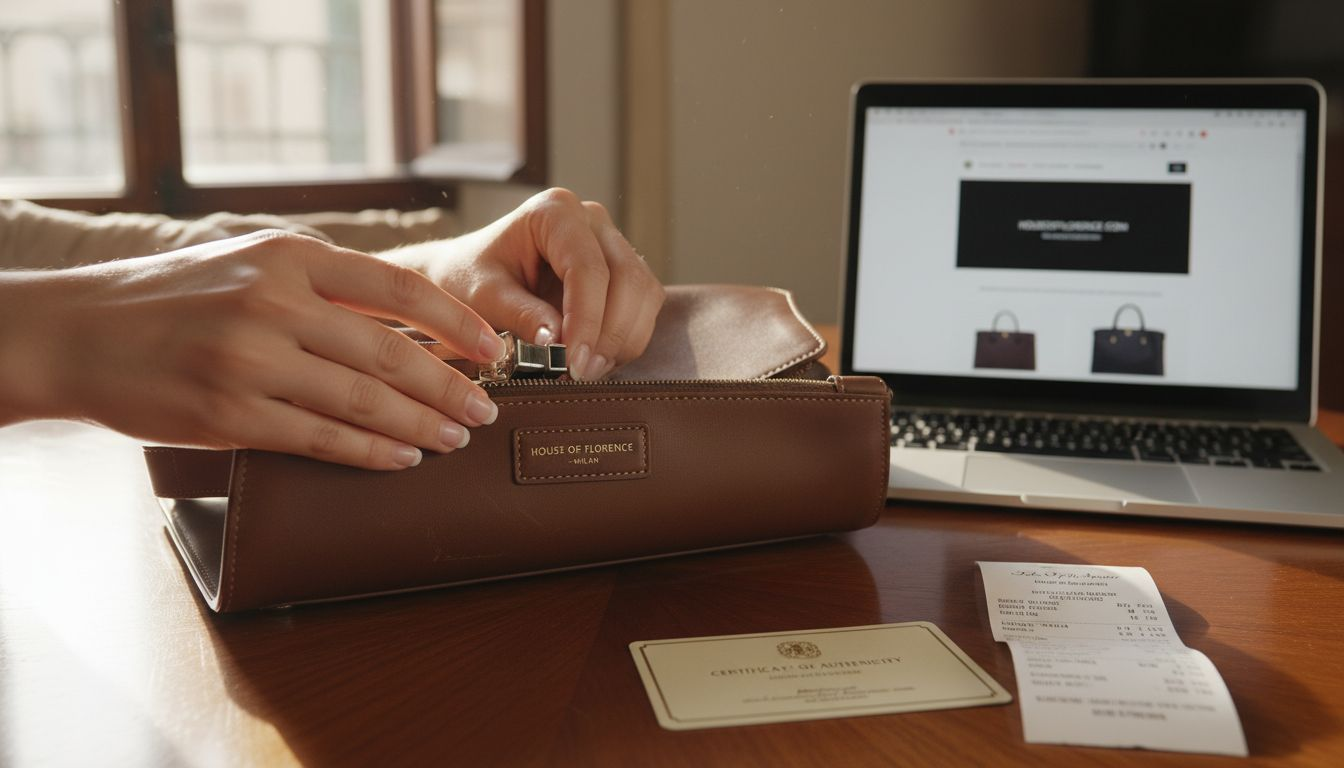
Trustworthy designer sales maintain transparency, offer comprehensive product information, and provide clear authentication processes. Legitimate retailers invest in customer trust by offering detailed product descriptions, high-resolution images, and robust verification mechanisms that give shoppers confidence in their purchases.
Pro tip: Cross-reference product prices across multiple reputable platforms and always request detailed authentication documentation before finalizing any luxury fashion purchase.
Risks, Returns, and Cost-Saving Strategies
Navigating designer sales requires a strategic approach that balances potential savings with smart financial decision-making. Cost reduction strategies demonstrate that effective purchasing goes beyond simply finding the lowest price and involves comprehensive risk management.
Key cost-saving strategies for luxury fashion shopping include:
-
Pre-Purchase Research
- Compare prices across multiple platforms
- Track seasonal sale cycles
- Monitor brand-specific discount patterns
-
Financial Risk Mitigation
- Set strict budget limits
- Prioritize timeless over trendy pieces
- Calculate cost-per-wear potential
-
Smart Shopping Techniques
- Use price tracking tools
- Sign up for loyalty programs
- Leverage student or membership discounts
Sustainable savings strategies emphasize the importance of maintaining quality while reducing expenses. This means looking beyond immediate price reductions and considering long-term value, material durability, and potential resale opportunities.
Successful designer sale shopping requires a balanced approach that recognizes both opportunities and potential pitfalls. Consumers must carefully evaluate return policies, understand authentication processes, and develop a nuanced understanding of true value in luxury fashion purchases.
Pro tip: Create a dedicated savings fund for designer purchases and wait for verified, significant markdowns to maximize your investment potential.
Discover Authentic Luxury Fashion at Unbeatable Prices
Navigating designer sales can feel overwhelming with so many questions about authenticity, timing, and true value. If you want to avoid the pitfalls of counterfeit products and confusing discount tactics, our platform is designed with your needs in mind. At Designer Label Sale, we specialize in offering genuine, authentic designer clothing, handbags, and accessories at prices that respect both your budget and your passion for luxury fashion.
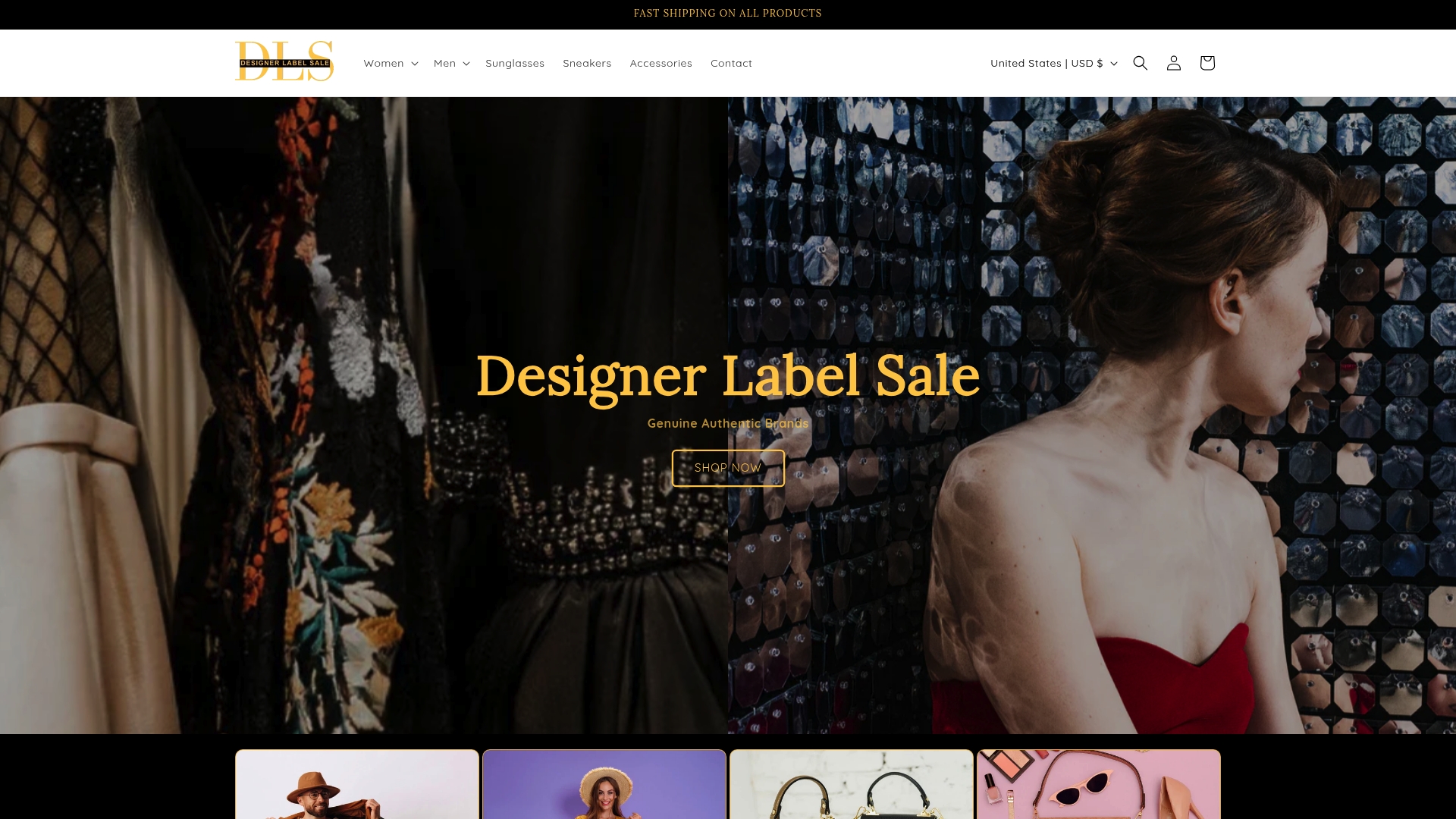
Dive into our curated collections where every item undergoes strict authenticity checks to guarantee your confidence in every purchase. Take advantage of strategically planned sales and real markdowns that align with the smart shopping tips outlined in this article. Don’t miss your chance to elevate your wardrobe while saving wisely. Start exploring trusted designer deals now at Designer Label Sale and enjoy fast shipping plus seamless shopping made just for you.
Frequently Asked Questions
What is a designer sale?
A designer sale is a strategic event where luxury clothing and accessories are offered at significantly reduced prices, allowing consumers to access high-end fashion that may typically be out of reach.
How do designer sales benefit consumers?
Designer sales provide consumers with the opportunity to purchase premium fashion at lower prices while also introducing them to luxury brands and allowing for greater inventory turnover for retailers.
What types of discounts can I expect during designer sales?
Discounts during designer sales can vary from percentage-based markdowns to complex promotions like buy-one-get-one offers or tiered pricing structures, all designed to attract customers while maintaining brand exclusivity.
How can I ensure the authenticity of designer products when shopping online?
To ensure the authenticity of designer products, look for features such as serial number tracking, advanced technological verification like blockchain, and expert verification processes that inspect the details and quality of the items.