

How to Style Designer Outfits for Modern Elegance
Building a designer wardrobe full of discounted treasures feels exciting until you stare at a closet bursting with options and still struggle to create standout outfits. For women with an eye for style, combining luxury pieces demands more than just taste—it calls for understanding quality and curating a collection that fits both your personality and lifestyle. This guide shows you how to assess your designer wardrobe and make confident style decisions that suit every occasion.
Table of Contents
- Step 1: Assess Your Designer Wardrobe
- Step 2: Identify Your Signature Style
- Step 3: Mix and Match High-End Pieces
- Step 4: Accessorize With Luxury Elements
- Step 5: Review and Refine Your Final Look
Quick Summary
| Key Point | Explanation |
|---|---|
| 1. Assess Condition and Fit | Regularly check the condition and fit of your designer pieces to ensure they remain flattering and wearable. |
| 2. Define Your Personal Style | Understand your aesthetic preferences and lifestyle needs to curate a wardrobe that reflects your personality. |
| 3. Master Mixing High-End Pieces | Learn to blend classic and contemporary designer items to create unique and personalized outfits. |
| 4. Incorporate Luxury Accessories | Select high-quality accessories that complement your outfits, enhancing sophistication and individuality. |
| 5. Review Your Outfit Before Wearing | Spend time refining your looks to ensure confidence and coherence, making any necessary adjustments for optimal appearance. |
Step 1: Assess Your Designer Wardrobe
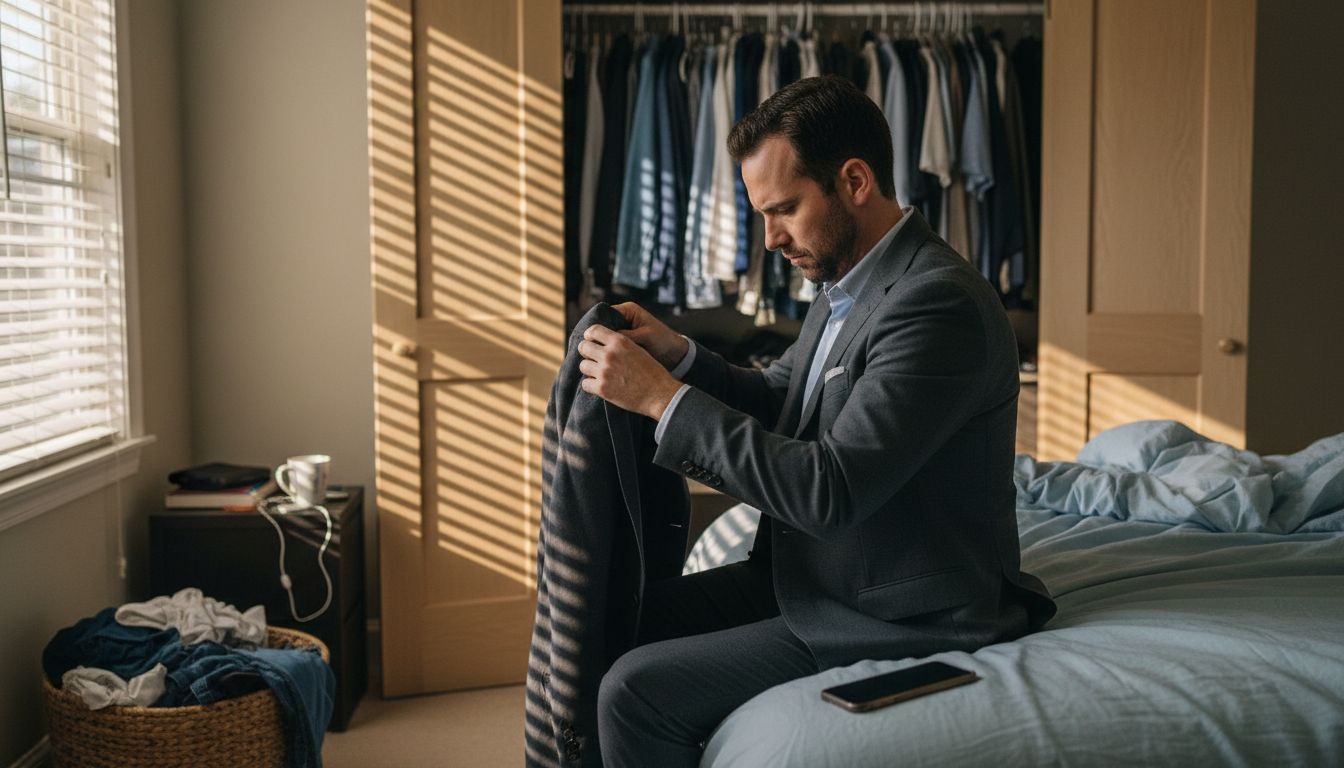
Refreshing your designer wardrobe requires strategic evaluation and thoughtful planning. Understanding how to effectively analyze your designer clothing collection involves more than just counting pieces - it’s about recognizing quality, versatility, and personal style potential.
Begin by conducting a comprehensive wardrobe inventory that goes beyond simple organization. Pull out every designer piece and assess each item critically using these key evaluation criteria:
- Condition: Check for wear, potential repairs, or signs of aging
- Fit: Determine whether pieces still complement your current body shape
- Style Relevance: Evaluate if the item matches your current aesthetic
- Versatility: Consider how many different outfits the piece can create
When analyzing designer garments, pay special attention to fabric quality, construction details, and timeless design elements. High-end pieces often transcend temporary trends, making careful assessment crucial for maintaining a sophisticated wardrobe.
Here’s a summary of wardrobe assessment factors and their impact:
| Factor | Why It Matters | Impact on Wardrobe Management |
|---|---|---|
| Condition | Ensures longevity and usability | Preserves value of designer items |
| Fit | Enhances personal comfort | Maintains confidence and appeal |
| Style Relevance | Aligns with current aesthetics | Prevents outdated or unused pieces |
| Versatility | Maximizes outfit combinations | Reduces need for excess purchases |
Intelligent wardrobe management isn’t about quantity - it’s about curating a collection that truly represents your personal style and lifestyle.
Pro tip: Create a digital inventory using smartphone photos to track your designer pieces, making future assessments faster and more organized.
Step 2: Identify Your Signature Style
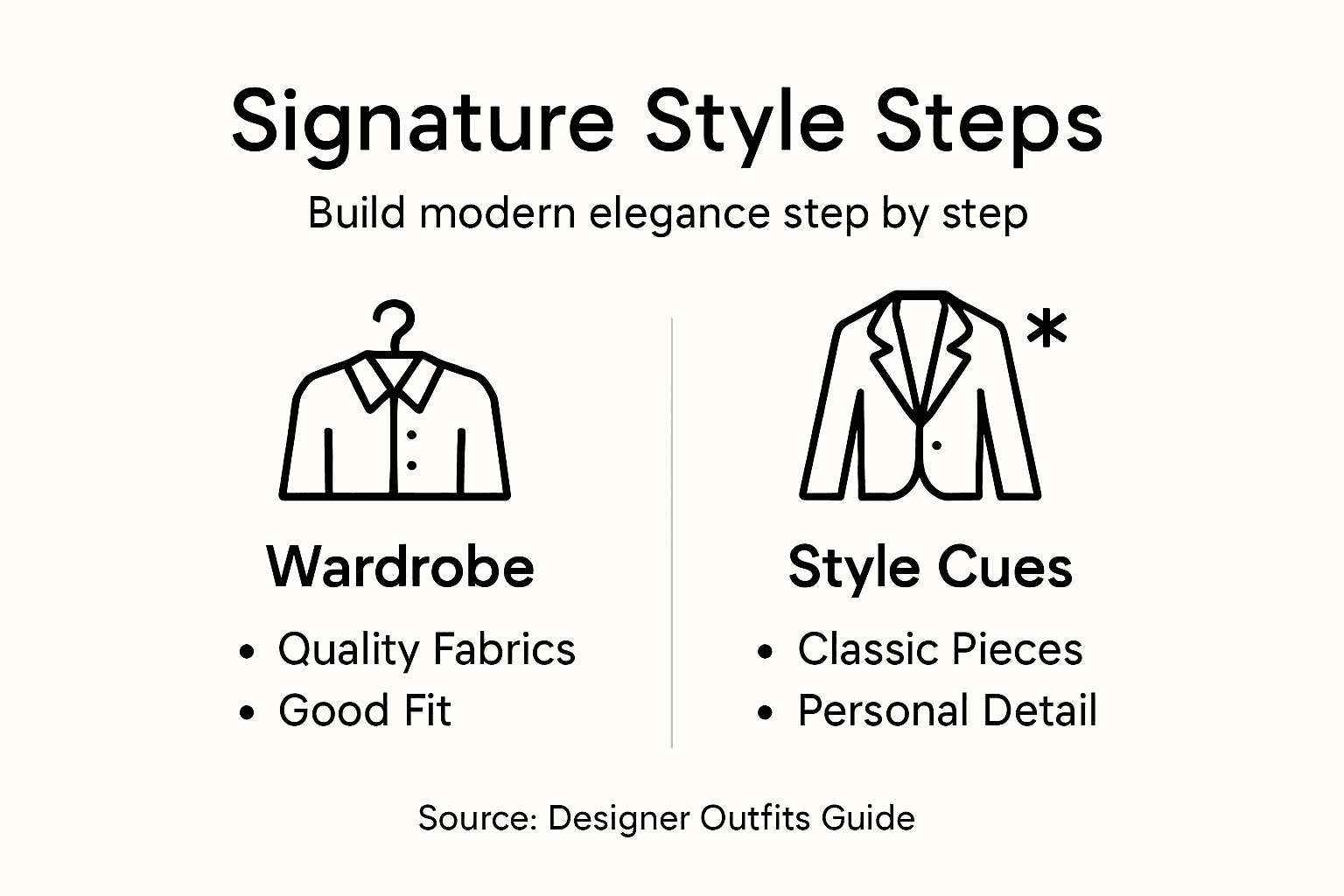
Discovering your unique fashion identity is about crafting a personal narrative through clothing that speaks authentically to your personality and lifestyle. Mastering personal style requires more than simply following trends - it demands deep self-reflection and strategic wardrobe curation.
To develop a signature style, start by understanding your core aesthetic preferences and lifestyle needs:
- Personal Color Palette: Identify colors that complement your skin tone and make you feel confident
- Body Shape: Recognize silhouettes that flatter your natural physique
- Lifestyle Considerations: Select pieces that transition seamlessly between professional and personal environments
- Personality Expression: Choose garments that reflect your inner character and mood
Consider creating a mood board or digital collection of outfit inspirations that resonate with your desired aesthetic. This visual representation helps crystallize your style vision and provides a roadmap for future fashion choices.
A truly signature style is not about perfection, but about confidence and personal expression through carefully curated pieces.
Pro tip: Photograph your favorite outfits and analyze common themes to understand the underlying elements of your personal style more objectively.
Step 3: Mix and Match High-End Pieces
Mastering the art of mixing designer pieces requires a nuanced approach that balances sophistication with personal creativity. High-end fashion blends heritage and innovation by strategically combining classic and contemporary elements to create unique, personalized outfits.
To successfully mix high-end pieces, consider these essential guidelines:
- Texture Contrast: Combine different fabric weights and materials for visual interest
- Color Harmony: Select pieces with complementary color palettes
- Proportion Balance: Mix structured and fluid pieces to create dynamic silhouettes
- Style Fusion: Blend classic designer staples with modern statement pieces
Start by identifying your core designer pieces that serve as foundation items. These might include a tailored blazer, a classic white shirt, or a well-cut pair of trousers. Then, experiment with layering and combining these foundational pieces with more adventurous designer items that showcase your personal style.
Modern elegance is about creating a dialogue between timeless craftsmanship and individual expression.
Pro tip: Photograph your outfit combinations to develop a visual reference library that helps you refine your mixing and matching skills over time.
Step 4: Accessorize With Luxury Elements
Elevating your outfit from stylish to extraordinary requires strategic accessorizing that speaks to your personal aesthetic. Fashion accessories complement and enhance an ensemble by adding depth, personality, and sophisticated refinement.
Consider these essential strategies for incorporating luxury accessories:
- Statement Jewelry: Select pieces that draw attention without overwhelming your outfit
- Handbag Harmony: Choose bags that complement your clothing’s color and style
- Subtle Elegance: Balance bold accessories with more understated garments
- Texture and Proportion: Mix different materials and scale to create visual interest
The key is thoughtful curation. Instead of loading up on multiple expensive pieces, focus on selecting one or two high-quality accessories that communicate your unique style narrative. A meticulously chosen designer scarf or an exquisite pair of earrings can transform an entire look from ordinary to extraordinary.
Compare luxury accessory types and their style effects:
| Accessory Type | Typical Effect | When to Use |
|---|---|---|
| Statement Jewelry | Adds focal interest | Special events, evenings |
| Designer Handbag | Elevates sophistication | Daily, formal occasions |
| Silk Scarf | Introduces color, texture | Layering or casual looks |
| Elegant Earrings | Subtle refinement | Work or day-to-day style |
Luxury accessories are not just adornments - they are personal statements that reflect your individual style and sophistication.
Pro tip: Invest in versatile luxury accessories that can transition seamlessly between different outfits and occasions, maximizing their value and impact.
Step 5: Review and Refine Your Final Look
The ultimate test of a designer outfit is its ability to communicate confidence and personal style. Reviewing and refining your look transforms a collection of pieces into a cohesive, sophisticated ensemble that feels intentional and authentic.
Use these critical evaluation techniques to perfect your outfit:
- Mirror Check: Assess the overall silhouette and balance
- Lighting Test: Examine your outfit under different lighting conditions
- Movement Assessment: Ensure comfort and ease of movement
- Photographic Validation: Take a quick smartphone photo to gain objective perspective
Critical refinement involves making subtle adjustments that elevate your entire look. This might mean repositioning an accessory, switching out a single piece, or making minor tailoring tweaks that create a more polished appearance.
Perfection is not about flawlessness, but about feeling truly comfortable and confident in what you wear.
Pro tip: Always keep a small emergency styling kit with safety pins, fashion tape, and a compact steamer to make last-minute adjustments.
Elevate Your Designer Wardrobe with Affordable Luxury
Refreshing your wardrobe for modern elegance means making confident choices that reflect your unique style and embrace quality. If you struggle with finding versatile, high-end pieces that align with your signature look or need to accessorize thoughtfully without overspending, you are not alone. The article highlights the importance of strategic wardrobe assessment, mixing and matching designer items, and selecting luxury accessories to create polished, timeless outfits.
Discover how DesignerLabelSale can solve these challenges by offering a curated collection of authentic designer clothing, handbags, and accessories at discounted prices. Whether you need foundational items to build your capsule wardrobe or striking accessories to complete your look, our fast shipping and user-friendly shopping experience make elevating your style effortless.
Start crafting your modern elegant wardrobe today by exploring our broad selection of high-end fashion pieces. Visit DesignerLabelSale now to seize exclusive deals that blend luxury with affordability and bring your personal style vision to life.
Frequently Asked Questions
How do I assess the condition of my designer garments?
To assess the condition of your designer garments, check for signs of wear, potential repairs, and overall aging. Inspect stitching and fabric quality closely, and consider making minor repairs to preserve their value before reintroducing them into your wardrobe.
What key factors should I consider when identifying my signature style?
When identifying your signature style, consider your personal color palette, flattering silhouettes for your body shape, and how well pieces suit your lifestyle needs. Create a mood board to visualize your aesthetic preferences, helping you curate a wardrobe that reflects your true style.
How can I effectively mix and match high-end designer pieces?
To mix and match high-end designer pieces successfully, focus on contrasting textures, maintaining color harmony, and balancing proportions. Start with foundational items like tailored blazers and then layer in statement pieces to create unique and personalized outfits.
What types of luxury accessories should I incorporate into my outfits?
Incorporate statement jewelry, designer handbags, silk scarves, and elegant earrings to enhance your outfits. Choose one or two high-quality accessories that complement your overall look, transforming a simple ensemble into an extraordinary one.
How can I refine my final outfit for a polished look?
To refine your final outfit, conduct a mirror check for silhouette balance, assess it under different lighting conditions, and ensure comfort during movement. Make small adjustments as necessary, like repositioning accessories or altering pieces slightly for a more cohesive appearance.
Recommended
- From Street to Studio: How to Style Designer Pieces for Every Day – Designerlabelsale
- How to Style Designer Accessories for Effortless Chic – Designerlabelsale
- 5 Must-Have Designer Staples That Never Go Out of Style – Designerlabelsale
- 7 Types of Designer Labels Every Fashion Shopper Should Know – Designerlabelsale
- Spotlight on Iconic Vintage Designers
- 7 Urban Fashion Styling Tips to Stand Out Boldly – ELEDOasis