

Defining Luxury Accessories: Style, Status, Value
Scrolling past endless options online, you might find yourself questioning why some accessories command such intense desire and prestige. For many women, adding a real luxury handbag or unique piece of jewelry transforms not just an outfit, but your sense of confidence. In a market where genuine brands promise both rarity and exclusivity, understanding the traits that separate true luxury from the ordinary ensures your style stays authentic and unmistakably yours.
Table of Contents
- What Makes An Accessory Truly Luxury
- Key Types Of Luxury Accessories Explained
- Characteristics That Set Luxury Pieces Apart
- The Role Of Craftsmanship And Branding
- Spotting Authenticity: Avoiding Counterfeits
- Investing Smartly In Luxury Accessories
Key Takeaways
| Point | Details |
|---|---|
| Rarity and Exclusivity | Luxury accessories are defined by their limited availability, creating a sense of value through scarcity that enhances desirability. |
| Craftsmanship and Quality | Genuine luxury items showcase superior craftsmanship and premium materials, ensuring durability and a timeless appeal. |
| Emotional Connection | Luxury accessories serve as forms of self-expression, providing not only aesthetic pleasure but also emotional satisfaction through ownership. |
| Investment Value | High-quality luxury pieces retain their value and may appreciate over time, making them wise investments compared to standard items. |
What Makes an Accessory Truly Luxury
When you’re scrolling through a luxury outlet, you might wonder what actually separates a designer handbag from a quality high street piece. It’s not just the price tag or the name on the label. True luxury accessories share specific characteristics that justify their position in the market and their place in your wardrobe.
The foundation of luxury rests on rarity and exclusivity. Rarity and exclusivity in luxury create a sense of scarcity that makes items more desirable and valuable. When a brand produces limited quantities of a particular style or uses rare materials, it automatically elevates the accessory beyond everyday items. A luxury bag isn’t just leather and stitching. It’s the knowledge that only a certain number were made in that specific color, that season. This intentional limitation makes you feel like you own something distinctive, not mass produced. The exclusivity extends beyond the physical product too. Many luxury accessories come with limited access to purchasing them, whether through exclusive boutiques, invitation-only sales, or invitation-only preview events. This controlled distribution amplifies the sense of privilege that comes with owning the item.
Craftsmanship and materials represent another cornerstone of luxury accessories. High-end designers obsess over details that most people never consciously notice. Hand-stitched seams, full grain leather that improves with age, precious metal hardware that won’t tarnish. These elements cost significantly more to source and produce, but they determine how your accessory looks and feels five years from now. A luxury wallet won’t just hold your cards. The leather will develop a patina, the edges will remain smooth and finished, and the interior will maintain its structure. A luxury belt buckle won’t fade or chip. The quality matters because luxury items are designed for longevity, not planned obsolescence. When you invest in a genuine luxury accessory, you’re investing in something that gets better with use and age, not worse.
Luxury also encompasses the psychological and emotional dimensions that go beyond the product itself. Luxury as a multifaceted concept includes social status signaling, unique product characteristics, and the overall consumer experience. A luxury accessory communicates something about who you are and what you value. It’s not shallow to acknowledge this. Your accessories are a form of self-expression and personal branding. They signal discernment, access, and taste. When someone carries a luxury accessory, it tells a story about their choices, their appreciation for quality, and their position in the world. Beyond the social dimension, there’s an emotional connection too. Owning something you’ve saved for, something beautifully crafted and exclusive, creates genuine pleasure. You think about it when you use it. You notice its quality. You feel proud wearing it. This emotional resonance distinguishes luxury from merely expensive.
Authenticity matters tremendously in the luxury space. Genuine luxury accessories maintain their value because the brand’s reputation stands behind them. The craftsmanship is consistent. The materials are what they claim to be. When you purchase from legitimate luxury fashion outlets, you’re getting items that deliver on the promise of luxury, even at discounted prices. A real luxury accessory is an investment that serves you well for years, maintains its relevance, and can even appreciate in value if it’s a particularly desirable piece.
Pro tip: _When evaluating a luxury accessory, examine the stitching quality, weight of materials, hardware engraving, and smell. Genuine luxury items have consistent, tight stitching, substantial weight, clearly marked hardware, and a particular leather or fabric scent. These tangible details reveal authenticity far better than a logo alone.
Key Types of Luxury Accessories Explained
Luxury accessories span far beyond a single category. The market encompasses handbags, watches, jewelry, and shoes, each serving distinct purposes in your wardrobe while delivering on the promise of craftsmanship and exclusivity. Understanding the different types helps you make informed decisions about where to invest your money and which pieces will deliver the most value over time. Each category has its own dynamics, investment potential, and role in creating a cohesive personal style.
Handbags remain the cornerstone of luxury accessories. They’re functional, visible, and make a statement every single day. A luxury handbag isn’t just a place to carry your belongings. It’s an investment piece that often appreciates in value and defines your entire outfit. The construction matters tremendously. Look for full grain leather that develops character over time, reinforced stitching at stress points, and hardware that won’t deteriorate. Classic styles from established heritage brands tend to hold their value better than trendy designs. Watches occupy a unique position in luxury accessories because they blur the line between investment and wearable art. Unlike clothing, a quality luxury watch can last decades, even generations. They serve as both functional timepieces and status symbols. Whether you choose a mechanical watch with intricate internal mechanisms or a quartz alternative, the craftsmanship and brand heritage determine value. Jewelry encompasses rings, necklaces, bracelets, and earrings crafted from precious metals and gemstones. These pieces often become heirlooms and can appreciate significantly over time, particularly if they feature diamonds, rubies, or other rare stones. Shoes represent another major category. Luxury footwear combines comfort with exceptional construction. The difference between a quality designer shoe and a standard option becomes obvious after weeks of wear. Premium leather molds to your foot, internal cushioning remains supportive, and soles don’t wear through prematurely.
Beyond these main categories, the luxury accessories market includes eyewear, belts, scarves, and small leather goods like wallets and card holders. Personal accessories trends emphasize customization and sustainability, reflecting how consumer preferences continue evolving. Luxury eyewear has become increasingly important as brands recognize that quality frames and lenses represent serious craftsmanship. Belts serve both functional and aesthetic purposes, anchoring outfits while adding visual interest. Luxury scarves offer versatility, allowing you to transition a single piece between seasons and styling options. Small leather goods like wallets and clutches showcase meticulous attention to detail. These items sit close to you, so their quality becomes immediately apparent. The stitching, leather grain, and hardware finishing all communicate whether something is genuinely luxury or merely expensive.
When considering which accessory types to invest in, think about your lifestyle and how you’ll actually use each piece. A woman who works in a corporate environment might prioritize a quality handbag and professional watch. Someone with an active lifestyle might invest more heavily in quality shoes and eyewear. The key difference between luxury and standard accessories lies not just in materials but in how these items integrate into your life. A luxury accessory should make you feel something when you use it. It should age gracefully, maintain relevance across seasons, and ultimately justify its price through longevity and the pleasure it brings. When purchasing designer pieces at discounted prices, focus on versatile styles in neutral colors that won’t feel dated in a few seasons. Classic designs from established brands hold their value and relevance far better than statement pieces.
Here’s how luxury accessory categories differ in function and investment value:
| Accessory Type | Main Purpose | Typical Investment Potential |
|---|---|---|
| Handbags | Style statement & utility | High, often appreciates |
| Watches | Timekeeping & status | Strong, may increase |
| Jewelry | Personal adornment | High with precious metals |
| Shoes | Comfort & visual impact | Moderate, depends on care |
| Eyewear | Vision & design accent | Moderate, some limited runs |
| Belts/Scarves | Functional finishing touch | Low to moderate, varies |
| Small Leather Goods | Organization & detail | Varies, usually lower |
Pro tip: _Start with one investment piece in each category that aligns with your lifestyle, then gradually expand. A quality handbag, a reliable watch, and a pair of comfortable luxury shoes form the foundation of any accessory collection, providing maximum utility and satisfaction for your investment.
Characteristics That Set Luxury Pieces Apart
What separates a luxury accessory from a well-made regular item comes down to specific, identifiable characteristics that compound to create genuine value. These aren’t arbitrary distinctions. They’re measurable, observable qualities that determine how a piece performs, ages, and serves you over time. When you understand what these characteristics are, you can evaluate accessories with confidence and avoid overpaying for items that merely look expensive without delivering on luxury’s promise.
The foundation starts with uncompromising craftsmanship. This means every single stitch counts. Every edge receives finishing attention. Every component, no matter how hidden, receives the same care as visible elements. Luxury brands employ artisans who’ve spent decades perfecting their techniques. A luxury handbag might require 15 to 20 hours of hand labor, with multiple quality checks throughout production. The stitching pattern follows strict specifications. The leather is hand selected before cutting. Hardware undergoes testing to ensure it won’t tarnish or break. This level of attention creates accessories that don’t just look better initially. They perform better after months and years of use. Meanwhile, standard accessories cut corners. Stitching might be machine done with inconsistent tension. Hidden seams might use inferior threads. Hardware might corrode within a season. The difference becomes obvious the moment you hold both items side by side. Quality craftsmanship also means proper construction techniques. Luxury leather goods are often hand stitched rather than machine stitched because human hands can create stronger, more flexible seams. Leather is burnished, meaning edges are smoothed and sealed with natural oils rather than rough and unfinished. These techniques require skill and time, which is why they’re reserved for luxury pieces.
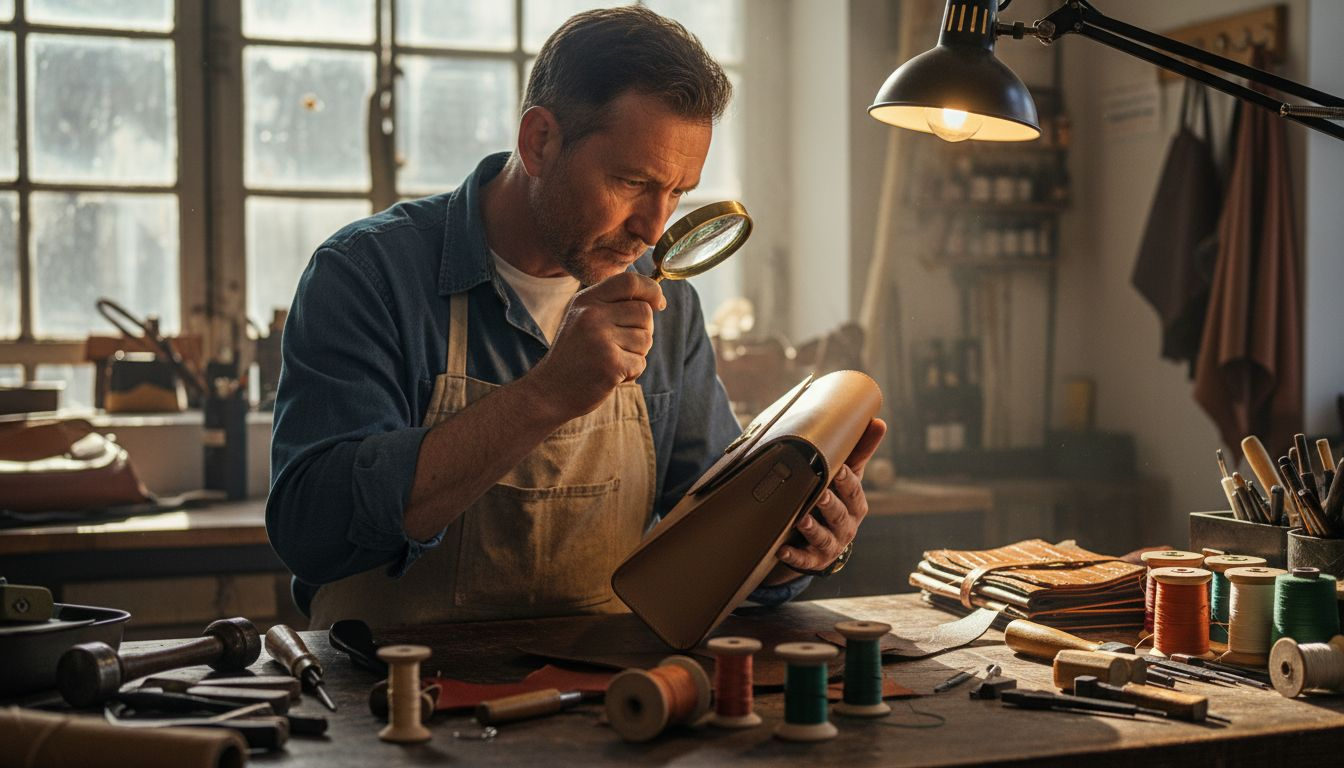
Scarcity and exclusivity create another defining characteristic. Scarcity and exclusivity drive consumer perceptions of luxury items through psychological mechanisms that enhance desirability. Limited production runs mean genuine scarcity. A luxury brand might produce only 500 units of a particular style in a specific color, knowing that exclusivity increases perceived value. This contrasts sharply with mass market items produced in thousands or millions. You’re not just buying a bag. You’re buying access to something rare. This rarity has real consequences for value retention. A mass produced design depreciates rapidly because the market is flooded with similar items. A rare luxury design maintains value because far fewer exist and demand remains consistent. Some luxury accessories even appreciate over time if they represent particularly desirable color ways, materials, or historical moments in the brand’s heritage.
Material quality and composition represent tangible elements that distinguish luxury from standard. Luxury means full grain leather, not split leather or bonded leather. Full grain leather includes the hide’s natural grain, which develops a patina as oils from your skin interact with the material. This aging process is desirable because it adds character and uniqueness to your accessory. Split leather, conversely, is what remains after the top layer is removed. It’s thinner, weaker, and doesn’t develop patina. Luxury jewelry uses precious metals like 14k or 18k gold, platinum, or sterling silver rather than plating over base metal. Luxury watches use sapphire crystal that won’t scratch rather than mineral crystal that scratches easily. These material choices directly impact longevity. Exceptional quality and exclusivity define luxury items while conferring social status and emotional benefits that drive consumer attachment to these pieces. The materials you choose affect both how long your accessory lasts and how it makes you feel when using it.
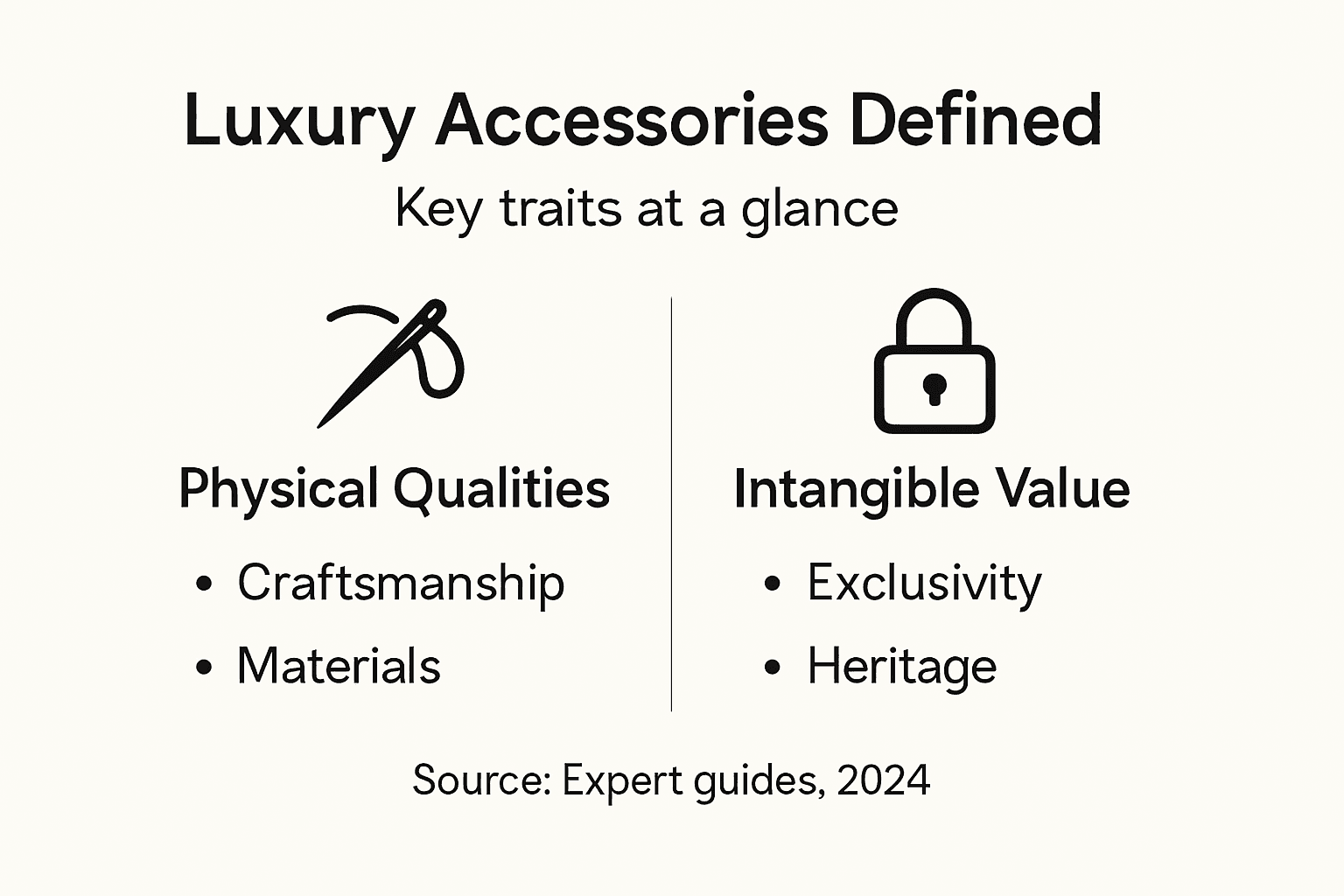
Brand heritage and reputation form the intangible but crucial final characteristic. A luxury brand’s reputation represents decades or even centuries of maintaining standards. This consistency of quality protects your investment. When you purchase a designer staple piece that never goes out of style, you’re banking on that brand’s historical commitment to excellence. Established luxury houses have systems in place to maintain quality across production locations and seasons. They employ master craftspeople and invest in training new artisans. They reject pieces that don’t meet standards, even if this means lower profit margins. Newer or mass market brands lack this infrastructure. They chase trends and optimize for cost, not quality. The brand’s heritage also influences resale value. A bag from an established luxury house retains its value far better than an equivalent quality bag from an unknown brand. The prestige associated with heritage brands creates demand that supports long-term value retention.
Pro tip: When evaluating a luxury accessory, examine the craftsmanship details first: check stitching consistency, run your fingers along edges to feel if they’re burnished, inspect hardware for proper engraving or embossing, and research the brand’s heritage to understand their reputation for quality. These observable characteristics reveal whether something is genuinely luxury before you even consider the price.
The Role of Craftsmanship and Branding
Craftsmanship and branding operate as two interconnected forces that define the luxury accessory experience. You might think of craftsmanship as the physical reality of a luxury piece and branding as the story surrounding it. But that’s oversimplifying. They actually work together in ways that multiply the value far beyond what either alone could deliver. Understanding this relationship helps you appreciate why certain accessories command premium prices and retain their worth over time.
Craftsmanship represents the tangible mastery embedded in every detail of a luxury accessory. This goes beyond basic manufacturing competence. It’s about artisans who’ve spent decades perfecting techniques that can’t be rushed or automated. Mastery in materials and techniques delivers superior product quality while creating emotional connections with consumers through excellence and uniqueness. A leather craftsperson at a luxury house might spend years learning how to hand select hides based on grain patterns and thickness variations that machines can’t detect. A jewelry artisan might spend months on a single intricate piece, ensuring every facet aligns perfectly and every stone sits flawlessly. This expertise creates products that perform better, age more gracefully, and genuinely improve with use. When you pick up a luxury handbag, you’re feeling the result of someone’s decades of accumulated knowledge. You can sense it in the weight of the leather, the smoothness of seams, the way the bag holds its shape. This isn’t luck or marketing. It’s the direct result of superior skill and uncompromising standards.
Craftsmanship also manifests in material selection and treatment. A luxury brand sources leather from specific tanneries known for particular qualities. They reject hides that don’t meet standards, accepting significant waste in the pursuit of consistency. They treat materials with techniques that take longer but produce superior results. Full grain leather is burnished by hand because machines can’t achieve the same smoothness and durability. Precious metals are hand finished to eliminate microscopic imperfections. These choices seem inefficient compared to mass production shortcuts, but they determine how your accessory looks and functions years down the line. A luxury bag purchased today will still look intentional and valuable in five years. A mass produced alternative will likely look worn and dated.
Branding creates the emotional and psychological dimensions that complete the luxury experience. Branding plays a critical role in communicating luxury meanings while building loyalty and differentiating products in competitive markets. A brand isn’t just a logo or name. It’s a promise, a story, and a reputation. When you buy from an established luxury house, you’re not just purchasing an accessory. You’re buying into decades or centuries of heritage, expertise, and commitment to excellence. This brand meaning becomes part of the accessory’s value. The same handbag from an unknown manufacturer versus a heritage luxury house would serve identical functional purposes. But the luxury branded bag carries different psychological weight. You know the brand’s standards. You trust their quality consistency. You understand that the piece represents genuine exclusivity rather than just looking expensive.
Branding also protects your investment through reputation. Luxury brands carefully guard their image because their entire value proposition rests on consistent delivery of excellence. They can’t cut corners without damaging their brand equity. This creates accountability that mass market brands lack. When a luxury brand releases a product, you can trust it meets their historical standards. This reliability becomes crucial when you’re making significant purchasing decisions. A woman considering a luxury handbag investment can research the brand’s history, read reviews from long-term owners, and verify that the brand maintains consistent quality across seasons and product lines. This information is freely available because the brand’s reputation is so important to its existence.
Together, craftsmanship and branding create a compelling value proposition. The craftsmanship ensures the accessory actually performs as promised and improves with age. The branding ensures you understand what you’re investing in and trust that the brand will continue delivering that quality. This combination fosters genuine loyalty. Women don’t just appreciate a luxury accessory for its functionality. They appreciate it because it represents an investment in quality that endures, made by experts who’ve dedicated their lives to mastery, from a brand that stands behind every piece.
Pro tip: Research a brand’s craftsmanship heritage before purchasing by reading interviews with their artisans, visiting their website to understand their production processes, and checking whether they describe specific techniques and material sourcing practices. Brands that openly discuss their craftsmanship details are confident in their quality and transparent about their value proposition.
Spotting Authenticity: Avoiding Counterfeits
Counterfeits are everywhere, and they’re getting better at fooling people. The counterfeit luxury market costs brands billions annually and costs consumers millions more in wasted money on fake products that fall apart within months. When you’re investing in luxury accessories, particularly at discounted prices, understanding how to verify authenticity becomes crucial. The good news is that genuine luxury accessories leave unmistakable traces of their legitimacy that counterfeits simply cannot replicate without the expertise, materials, and infrastructure of authentic manufacturers.
Start with purchase channels and provenance. Authenticity verification relies on understanding exclusivity and brand signals alongside evaluating product details and purchase channels. Authorized retailers represent your safest option because they maintain direct relationships with brands and verify their supply chains. When purchasing from secondary markets or online sellers, research the seller’s reputation meticulously. Established luxury outlets with transparent business practices, clear return policies, and verifiable customer reviews provide significantly more security than random marketplace sellers. Counterfeiters typically operate through channels that offer anonymity or lack accountability. Check whether the seller displays business registration, physical location information, and customer service responsiveness. Legitimate luxury retailers invest in professional websites, clear company histories, and transparent pricing structures. They don’t hide behind vague business descriptions or refuse to answer questions about product sourcing.
Next, examine the physical characteristics that distinguish genuine luxury from counterfeits. Counterfeits fail in ways that authentic pieces don’t because they lack access to the same materials and production techniques. Stitching quality offers one of the most revealing tests. Genuine luxury accessories feature consistent, even stitching with appropriate tension throughout. Stitches are tight and uniform in size. Counterfeits often display irregular stitching with varying tension, loose threads, or crooked lines because they cut corners on production standards. Hardware provides another telltale indicator. Authentic luxury hardware feels substantial and heavy. It’s engraved or embossed with brand names or logos that are crisp and clear. Counterfeit hardware feels lightweight, looks poorly engraved, and might display spelling errors or misaligned text. Feel the weight of the entire piece. Genuine luxury accessories are heavier than counterfeits because they use quality materials. A lightweight bag that should be substantial immediately signals concern.
Leather and material composition matter tremendously. Attention to craftsmanship details, materials, and provenance distinguish genuine accessories from counterfeits prevalent in secondary markets. Genuine full grain leather has a distinct smell. It smells natural, slightly earthy, and rich. Artificial or chemical smells indicate synthetic materials or low quality leather. Run your hands across the leather surface. Genuine leather has natural variation in texture and grain patterns. It’s not perfectly uniform because it comes from individual hides with natural characteristics. The leather should feel soft yet substantial, not plastic or waxy. Examine the edges. On authentic luxury pieces, leather edges are finished smoothly and burnished. On counterfeits, edges are rough and unfinished. Check the interior. Genuine luxury bags have carefully finished interiors with properly stitched seams and quality fabric. Counterfeit interiors often show poor stitching, cheap fabric, and sloppy construction.
Look for authenticity documentation and codes. Genuine luxury accessories come with authenticity cards, serial numbers, or QR codes that verify legitimacy. Research the specific verification methods used by the brand you’re considering. Some brands include holograms that change color when tilted. Others provide online verification systems where you can enter a code to confirm authenticity. Counterfeits often have poorly printed cards with spelling errors, incorrect fonts, or missing security features. Ask the seller for documentation and verify it matches the brand’s official specifications. Be wary of sellers who can’t provide authenticity cards or who claim cards were lost. Authentic pieces typically retain their original documentation.
Final red flags include pricing that’s suspiciously low, pressure to purchase quickly, vague product descriptions, and refusal to accept returns. Genuine luxury outlets offer significant discounts because they buy overstock, previous season items, or have direct relationships with brands. But they don’t price items at 70 to 80 percent below retail without explanation. If a deal seems too good to be true, it probably is. Counterfeiters create artificial urgency and pressure because they know scrutiny reveals their products’ flaws. Legitimate sellers encourage careful examination and provide comprehensive return policies.
Compare these key factors when distinguishing genuine luxury accessories from counterfeits:
| Factor | Genuine Luxury | Counterfeit |
|---|---|---|
| Stitching | Consistent and precise | Uneven, loose, or rushed |
| Hardware Weight | Solid and substantial | Light, feels inexpensive |
| Leather Scent | Natural, rich aroma | Chemical or plastic smell |
| Branding | Accurate, high-quality | Misspellings, poor finish |
| Documentation | Authentic cards and codes | Fake or missing papers |
Pro tip: Before purchasing any luxury accessory, research the brand’s official authentication guidelines on their website, compare the specific item against authentic examples from verified sources, and when in doubt, contact the brand directly with photos to confirm authenticity. Many luxury houses offer free authentication services through their customer service teams.
Investing Smartly in Luxury Accessories
Investing in luxury accessories differs fundamentally from casual shopping. When you approach accessories as investments, you shift your mindset from wanting items that catch your eye to carefully evaluating pieces that will retain value, remain relevant, and genuinely improve your life for years to come. This investment perspective changes everything about how you shop. You stop chasing trends. You prioritize timelessness. You consider resale value and emotional attachment alongside aesthetics. Smart luxury accessory investing requires understanding which characteristics predict long-term value and which factors determine whether a piece appreciates or depreciates over time.
The most critical factor in luxury accessory investment is brand heritage and rarity. Rarity and natural scarcity enhance investment value by creating exclusivity that maintains long-term desirability and price stability. Established heritage brands with decades of consistency hold value far better than newer brands or trend-driven labels. A bag from a house with 100 years of history has proven staying power. Its brand name won’t disappear or fall out of favor because the brand’s value is entrenched in culture and consumer consciousness. Limited edition items and rare colorways appreciate significantly better than widely available styles. If a handbag is produced in only 500 units versus 5,000 units, the rarer version maintains value better because scarcity creates ongoing demand. Track production numbers if possible. Research whether the specific color or material you’re considering was limited. Vintage luxury pieces often become more desirable as they become harder to find, sometimes appreciating substantially. This happens most often with iconic styles that defined eras and with pieces in rare materials or colorways.
Condition directly impacts investment value. A luxury accessory in pristine condition holds value exponentially better than the same piece showing wear. This seems obvious, but it influences investment decisions significantly. If you’re purchasing a piece as an investment, treat it accordingly. Store it properly. Use it minimately or within controlled environments. Understand that daily wear diminishes investment potential, even though it increases your personal enjoyment. This creates a tension you must resolve based on your priorities. Are you investing for potential future profit, or investing in something you’ll actually use and enjoy? The honest answer for most women is both, but understanding this tradeoff helps you make intentional choices. A handbag stored away in perfect condition might appreciate 20 percent over five years. The same bag used daily loses value more quickly because it shows wear, but you enjoy it completely. Investment in luxury accessories requires understanding market predictors such as brand heritage, rarity, condition, and emotional value that influence resale potential. Consider your actual usage when deciding whether pristine condition or personal use matters more.
Color selection influences investment value meaningfully. Classic neutral colors like black, navy, brown, and cream retain value far better than trendy seasonal colors. A black luxury handbag will remain relevant for decades. A millennial pink bag, no matter how beautiful when purchased, might feel dated in five years. When investing in luxury accessories, gravitate toward colors that transcend seasons and trends. Neutral doesn’t mean boring. Black leather develops character and patina. Navy and burgundy remain sophisticated forever. Camel and cream offer warmth without dating quickly. Avoid colors that feel trend-driven or heavily marketed as seasonal. Ask yourself whether this color will look just as timeless in ten years as it does today.
Authenticity and provenance matter for investment value. A genuine luxury piece from an authorized retailer has documented history that supports its authenticity and value. This documentation becomes important if you decide to resell. A bag with original packaging, authenticity cards, and purchase records sells faster and for better prices than the same bag without documentation. When you purchase luxury accessories with investment intent, retain all original materials. Keep receipts. Document condition with photos. Understand that purchasing from authorized retailers or established luxury outlets provides the authentication trail that supports future resale.
Emotional attachment creates value that financial calculations can’t capture. The accessories you genuinely love and use consistently deliver more total value than items purchased purely for investment potential. A bag you carry daily and adore provides far more value to your life than an investment piece stored away. Balance investment considerations against personal satisfaction. The smartest luxury accessory investment is one that holds financial value while delivering emotional satisfaction. Target timeless pieces from heritage brands in classic colors that align with your actual lifestyle and style preferences. This approach maximizes both investment potential and daily enjoyment.
Pro tip: When considering luxury accessories as investments, create a personal inventory documenting purchase date, price, retailer, condition photos, and any special characteristics like limited editions or rare colors. This documentation significantly increases resale value if you decide to sell and helps you track which pieces appreciate or depreciate over time.
Elevate Your Style With Authentic Luxury Accessories
The challenge many face when investing in luxury accessories is finding genuine items that combine craftsmanship, exclusivity, and timeless style without paying retail prices. If you want to own pieces that truly reflect the values of rarity, quality materials, and brand heritage discussed in the article, you need a trusted source that offers authenticity and value. Understanding the importance of brand reputation and the risk of counterfeits makes choosing the right retailer essential.
Discover your next luxury investment at DesignerLabelSale, where you can shop authentic designer handbags, shoes, and accessories at exclusive discounted prices. Experience the satisfaction of owning carefully curated styles that improve with age and hold lasting value. Start building a collection that speaks to your personal story and style today. Don’t wait—explore the authentic luxury selection now for your chance to own pieces that combine elegance, status, and smart investment potential.
Frequently Asked Questions
What are the key characteristics of luxury accessories?
Luxury accessories are defined by their rarity, exclusivity, high-quality craftsmanship, premium materials, and strong brand heritage. These elements contribute to their overall value and desirability.
How do I determine if a luxury item is authentic?
To verify authenticity, check for consistent stitching, quality hardware, and the smell of genuine materials. Additionally, ensure that the item comes with authenticity documentation, such as cards or serial numbers that match brand specifications.
Why do luxury accessories hold their value over time?
Luxury accessories tend to hold their value due to their rarity and exclusivity, as well as the brand heritage backing them. Items from established luxury brands typically appreciate in value, especially limited edition pieces or those made with unique materials.
What types of luxury accessories should I consider investing in?
Consider investing in classic pieces such as handbags, watches, and jewelry. These items often appreciate in value and offer timeless style, making them not only stylish additions to your wardrobe but also viable investments.